
Air Source Heat Pump Installation Process UK: Step by Step
What happens from the first survey to the day your heat pump is switched on, how long each stage takes, and what you should receive at the end.
- Updated for 2026
- UK homeowner guide
- Independent research

How Long Does a Heat Pump Installation Take?
The installation itself typically takes around three days, according to the Energy Saving Trust, with your heating usually off for a couple of days. Larger homes, or jobs that involve new pipework, many radiator changes or underfloor heating, can take longer.
The whole process takes longer than the fitting. You will need a survey, a design and a quote first, and the Energy Saving Trust notes that the wait for a heat pump can be several months when demand is high.
Around 3 days
Typical fitting time for a straightforward installation, per the Energy Saving Trust.
A couple of days
How long your heating is usually off while the old system is removed and the new one connected.
10 working days
MCS says you should receive your MCS certificate within 10 working days of completion.
The Heat Pump Installation Process in 8 Steps
1. Get quotes from MCS certified installers
The Energy Saving Trust recommends getting quotes from at least three MCS certified installers. MCS certification matters because Boiler Upgrade Scheme grants in England and Wales are applied for through your installer. You can check an installer on the MCS website.
2. Survey and heat-loss calculation
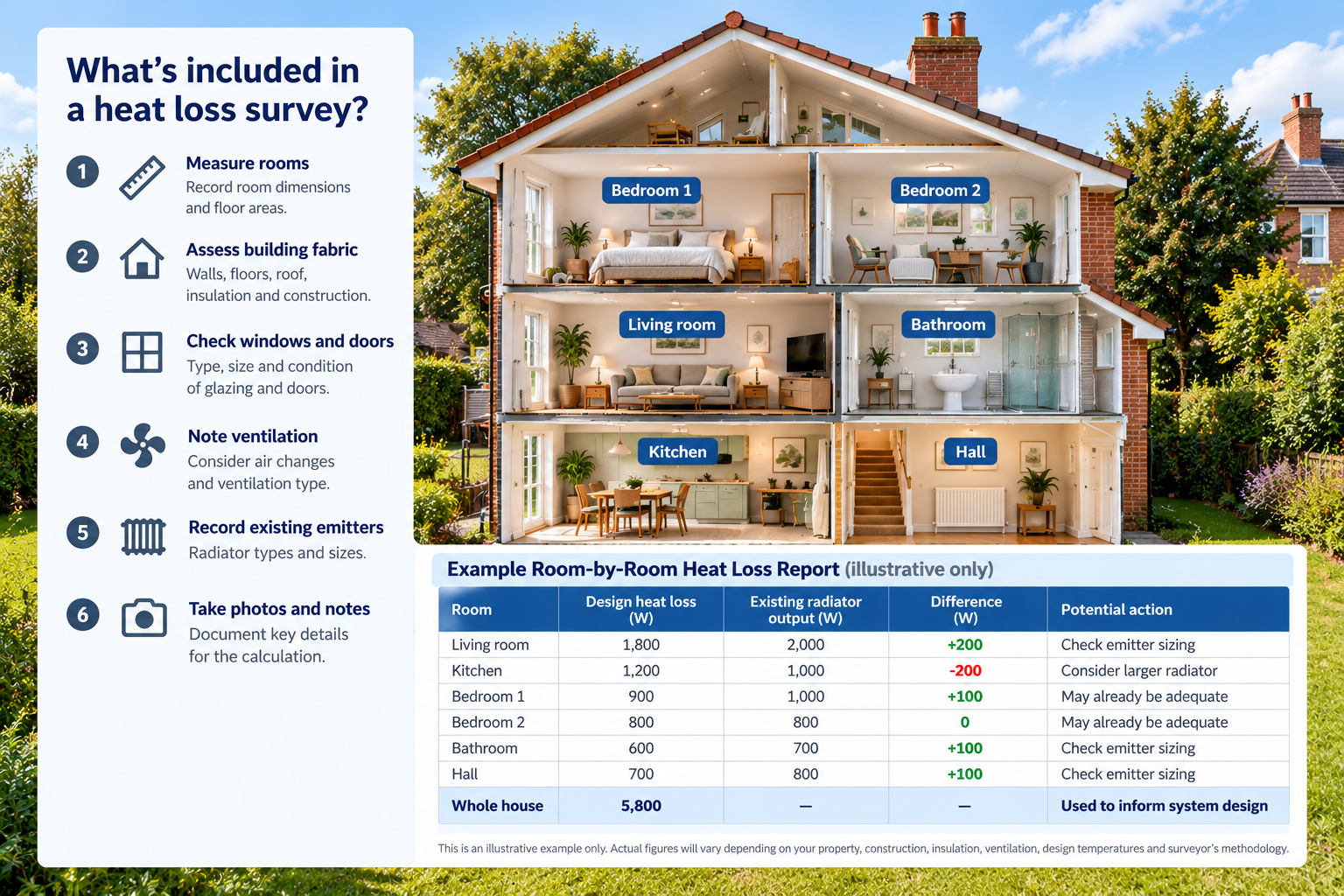
Each installer should assess your home before quoting, ideally with a room-by-room heat-loss calculation. This sets the size of heat pump, the radiators each room needs and the flow temperature. See our heat loss survey guide.
3. Compare and accept a quote
MCS says your quote should be clear and give a full breakdown of what you are buying, and that the installer should tell you about any subcontractors. Compare the system design, not just the price. Our guide to comparing heat pump quotes lists what to check.
4. Grant application and paperwork
In England and Wales, GOV.UK says your installer applies for the Boiler Upgrade Scheme grant on your behalf, and Ofgem will contact you to confirm the installer is acting for you. In Scotland, support comes through Home Energy Scotland instead.
5. Planning checks
Most domestic air source heat pumps in England fall under permitted development, subject to conditions including compliance with the MCS 020a planning standard and a size limit on the outdoor unit. Listed buildings and some conservation area locations need extra checks. See the Planning Portal guidance.
6. Preparation
Agree where the outdoor unit, cylinder and controls will go, and clear access to those areas. The Energy Saving Trust suggests finishing any insulation work before the heat pump goes in.
7. Installation
The outdoor unit is fitted, often on a base or platform, and connected to the indoor equipment and hot water cylinder. Radiators or pipework are changed where the design requires it. A separate electrician often makes the electrical connections.
8. Commissioning and handover
The system is switched on, checked for leaks, bled of air and balanced. The installer should explain the controls and give you warranty details, documentation and contact information.
Compare Up to 3 Heat Pump Installers Near You
Tell us a little about your property to see installer options available in your area.
Free to use with no obligation
What Happens During the Installation Itself?
Every job is different, but a typical air-to-water installation involves these stages. The Energy Saving Trust says the outdoor unit can be up to about 1m by 1.5m, and may need a platform and a soakaway for drainage.
| Stage | What typically happens |
|---|---|
| Removing the old system | The existing boiler, and sometimes an old cylinder or tanks, are disconnected and removed. |
| Outdoor unit | A base or wall brackets are fitted and the unit is positioned to the agreed design, with space for airflow and servicing. |
| Indoor equipment | A hot water cylinder and the associated valves, pumps and controls are installed, usually in an airing cupboard, loft or utility space. |
| Heating system changes | Radiators are replaced or enlarged and pipework upgraded where the heat-loss design requires it. |
| Electrics and controls | The heat pump is connected to the electricity supply and the controls are wired in. |
| Commissioning | The system is filled, tested, bled and balanced, and the settings are configured. |
Ask how long your heating and hot water will be off. If the work falls in cold weather, check what temporary heating or hot water arrangements the installer suggests.
What Can Make the Installation Take Longer?
Radiator and pipework changes
Replacing several radiators or microbore pipework adds days. Heat Geek, an installer network, says jobs can take around 5–7 working days depending on these factors.
Underfloor heating
The Energy Saving Trust lists underfloor heating among the things that can extend installation time.
Combi boiler replacements
Homes without a hot water cylinder need space found and pipework run for one. See combi boiler to heat pump.
What You Should Receive After Installation
From MCS and your installer
- An MCS certificate within 10 working days of completion
- A handover pack, including a recommended servicing and maintenance schedule
- All relevant guarantees and warranties
- The MCS Customer Commitment, which explains your rights as a consumer
Worth asking for as well
- The final heat-loss calculation and design flow temperature
- A walk-through of the controls and recommended settings
- The manufacturer’s registration deadline for the warranty
- Who to call if something goes wrong
Register the warranty promptly. Some manufacturers require registration within a set period, and most expect an annual service. Our heat pump servicing guide explains what to look for.
After Installation: The First Few Weeks
A heat pump heats differently from a boiler. It usually runs for longer at lower temperatures, so radiators feel warm rather than hot. That is normal for a well-designed system.
- Leave weather compensation and the installer’s settings in place to begin with. See our heat pump temperature settings guide.
- Check whether a heat pump electricity tariff suits how your system runs. See our heat pump tariffs guide.
- If rooms are not reaching temperature, contact the installer early. See heat pump not heating properly.
If something goes wrong and the installer does not resolve it, MCS has a complaints route for MCS certified installations.
Compare Up to 3 Heat Pump Installers Near You
Tell us a little about your property to see installer options available in your area.
Free to use with no obligation
Heat pump installation FAQs
How long does it take to install an air source heat pump?
The Energy Saving Trust says installation typically takes around three days, and longer for complex systems, many radiator or pipework changes or underfloor heating.
Will I be without heating during the installation?
Usually for a couple of days, according to the Energy Saving Trust. Ask your installer for the exact period and whether temporary arrangements are available.
Do I need planning permission for an air source heat pump?
In England, most domestic installations are permitted development if they meet the conditions, including the MCS 020a planning standard and a 1.5 cubic metre limit on the outdoor unit for a house. Listed buildings and some conservation area positions need further checks.
Who applies for the Boiler Upgrade Scheme grant?
Your installer applies on your behalf, and Ofgem contacts you to confirm the installer is acting for you. The scheme covers England and Wales.
What paperwork should I get at the end?
MCS says you should receive an MCS certificate within 10 working days of completion and a handover pack with a servicing schedule, guarantees and warranties, and the MCS Customer Commitment.
How long is the wait for an installation?
It varies by installer and season. The Energy Saving Trust notes that the wait can be several months when demand is high, so ask each installer for a likely start date when you get quotes.
Related installation guides
 Air Source Heat Pump Cost UKInstallation prices and grants
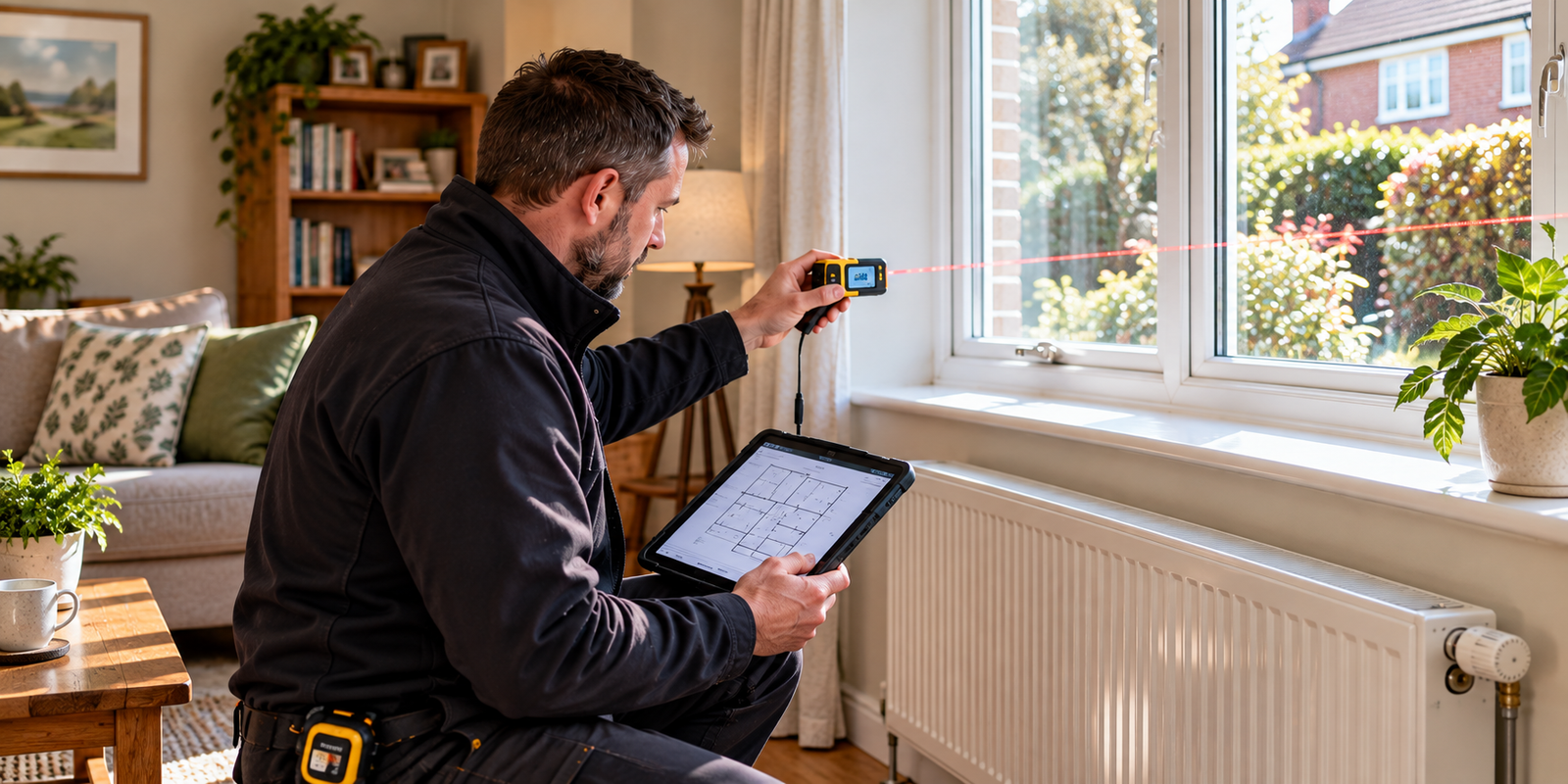 Heat Loss SurveyWhat the survey should include
 What Size Heat Pump Do I Need?How sizing really works
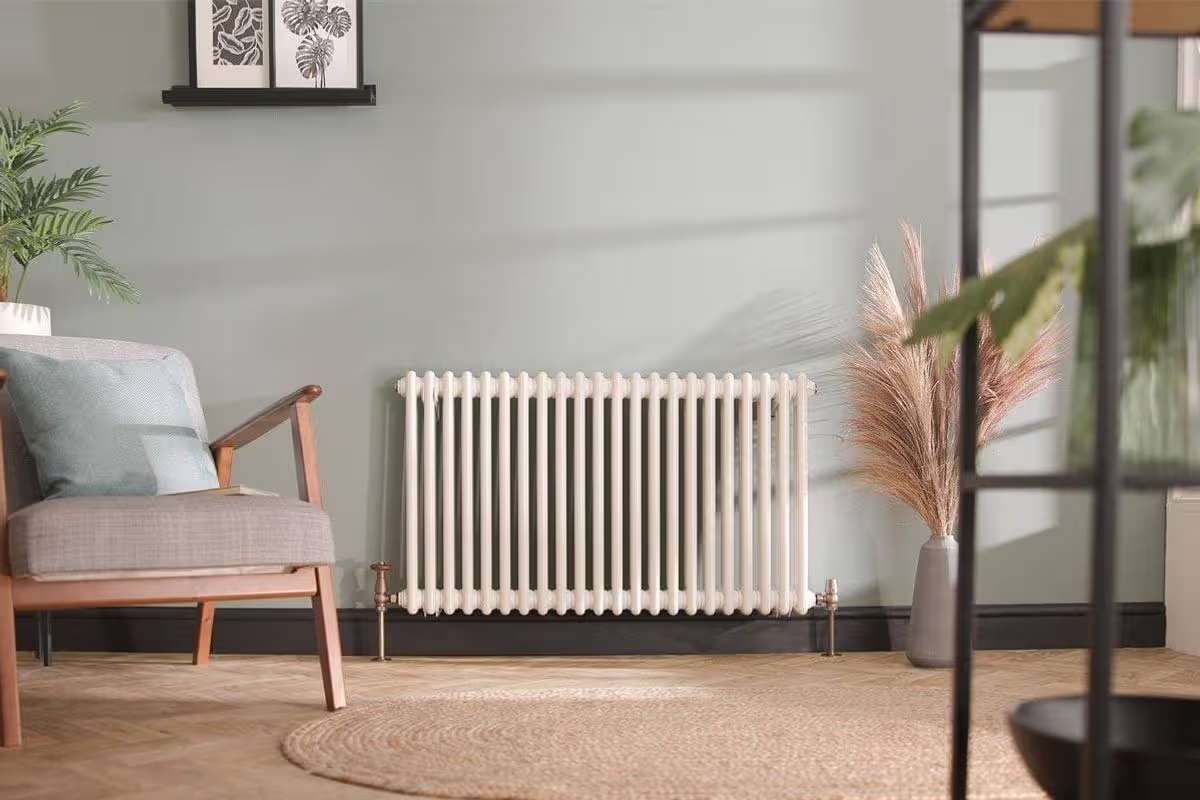 Do You Need New Radiators?Understand emitter sizing
 Heat Pump GrantsCheck current support
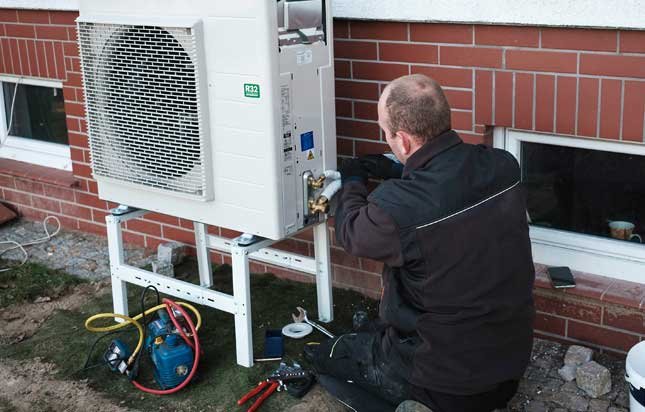 Heat Pump Installers Near MeWhat to compare between installers
Sources and further reading
All sources checked on 15 October 2026.