
Is It Cheaper To Leave The Heating On All Day?
Many UK homeowners believe leaving the heating on all day saves money. In most boiler-heated homes, this is usually not true. This guide explains when heating only when needed is cheaper, when steady heating can make sense, and how smart thermostats and smart TRVs can help reduce wasted heating.
- Updated for 2026
- UK homeowner guide
- Affiliate links disclosed

Quick Answer: Is It Cheaper To Leave The Heating On All Day?
For most UK homes with a gas boiler, it is usually cheaper to heat your home only when needed rather than leaving the heating on all day.
Your home constantly loses heat through walls, windows, roofs, floors and draughts. The longer you keep the house warm, the longer your heating system has to replace that lost heat.
Heat pumps can be different. Many heat pump systems work better with longer, steadier heating periods rather than aggressive stop-start schedules.
Bottom line
For most boiler-heated homes, use heating schedules and heat only when needed. For many heat pump homes, steady temperatures can be more efficient and comfortable.
Affiliate disclosure: This page contains Amazon affiliate links. If you buy through one of these links, Heat Pump Guide UK may earn a commission at no extra cost to you. Affiliate relationships do not determine our recommendations.
The Short Version
The cheapest heating strategy depends on your heating system, insulation, routine and comfort needs.
| Heating Approach | Usually Cheaper? | Best For | Best Control Upgrade |
|---|---|---|---|
| Heating only when needed | Usually yes | Most gas boiler homes | Smart thermostat |
| Leaving heating on all day | Usually no | Rare situations | Careful temperature control |
| Smart scheduling | Often best | Comfort and efficiency | tado°, Hive or Drayton Wiser |
| Room-by-room heating | Often helpful | Homes with unused rooms | Smart TRVs |
| Stable heat pump operation | Often recommended | Many heat pump systems | Steady setpoints and suitable controls |
Why Leaving The Heating On All Day Usually Costs More
Your home is constantly losing heat. The colder it is outside, the faster that heat loss usually becomes.
Every hour your heating maintains a warm indoor temperature, heat escapes through:
- External walls
- Windows and doors
- Loft and roof spaces
- Floors
- Draughts and gaps
- Uninsulated pipework
If you keep the heating on all day, your boiler has to keep replacing that heat loss all day. For most homes, that uses more energy than allowing the house to cool slightly when nobody needs it warm.
Simple way to think about it: A warm house loses more heat than a cooler house. Keeping it warm for longer usually means more total heat loss.
Why The Heating On All Day Myth Exists
The myth often comes from noticing that the boiler works hard when reheating a cold house.
This can make it feel as though reheating the home uses more energy than keeping it warm all day. But the key point is total heat loss over time. A house kept warm for longer loses heat for longer.
Reheating a cooler house does require energy, but in most boiler-heated homes it is still usually less than maintaining a higher temperature for the whole day.
Common mistake
Do not judge energy use by how hard the boiler appears to work for a short period. The important question is how much heat the home loses across the full day.
Gas Boilers vs Heat Pumps: The Important Difference
This topic becomes confusing because boilers and heat pumps behave differently.
A gas boiler can produce high-temperature water quickly, so many boiler-heated homes are suited to timed heating periods. You heat the home when you need it, then let the temperature reduce when you do not.
A heat pump usually works best at lower flow temperatures and longer run times. Many heat pump systems are more efficient and comfortable when they maintain a steady temperature rather than repeatedly heating from cold.
| Heating System | Typical Best Approach | Why |
|---|---|---|
| Gas boiler | Heat when needed | Boilers can heat quickly and work well with schedules |
| Heat pump | Often steadier heating | Heat pumps usually prefer lower temperatures and longer run times |
| Direct electric heating | Use carefully when needed | Electric resistance heating can be expensive to run |
| Storage heaters | Depends on tariff and controls | Off-peak charging and correct setup matter |
What About Well-Insulated Homes?
The better insulated your home is, the smaller the difference between heating strategies can become.
A well-insulated home loses heat more slowly. This means it may cost less to maintain a comfortable temperature for longer periods compared with a draughty older property.
However, even in a well-insulated home, heating an empty house more than necessary is still usually wasteful. Good insulation reduces heat loss, but it does not remove heat loss completely.
Practical rule: Better insulation gives you more flexibility, but smart scheduling is still usually better than heating every room all day.
When Leaving The Heating On Can Make Sense
There are some situations where maintaining a steady temperature can be sensible.
- Homes occupied all day
- Households with babies, elderly or vulnerable occupants
- Very well insulated homes
- Many heat pump systems
- Periods of extreme cold weather
- Homes where damp, condensation or comfort are major concerns
Even then, the goal should usually be maintaining a sensible temperature rather than overheating the property.
Comfort still matters
The cheapest setting is not always the right setting. Health, comfort, damp prevention and household needs should all be considered.
The Better Alternative: Smart Scheduling
Rather than choosing between heating all day or heating from completely cold, many homes get better results from smart scheduling.
Smart scheduling means heating the home around how you actually live.
- Warm living areas when you use them
- Reduce temperatures overnight
- Avoid heating empty rooms during work hours
- Adjust schedules easily from your phone
- Reduce heating when plans change
- Use different temperatures for different times of day
Traditional Timer
- Basic schedules
- Limited flexibility
- Manual changes
- Easy to forget
Smart Controls
- Flexible schedules
- App control
- Remote access
- Better optimisation
Best Smart Controls To Avoid Heating All Day
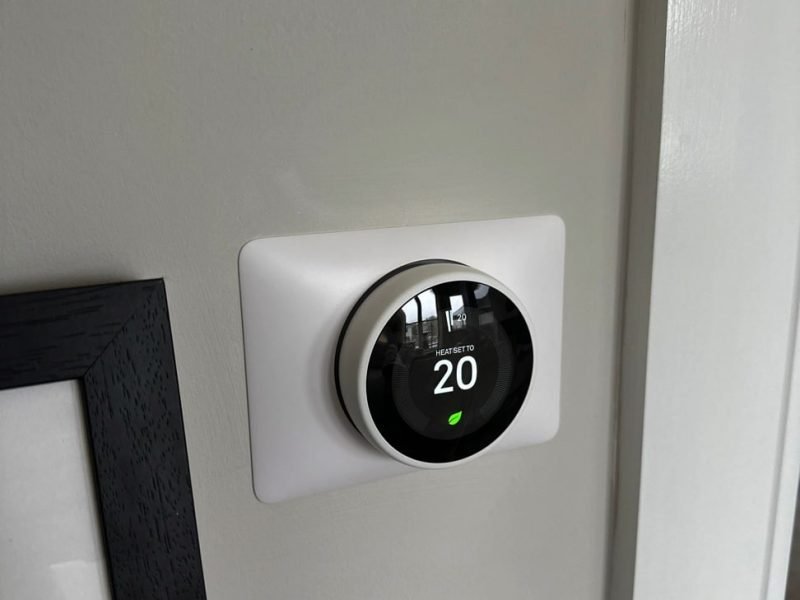
If your current heating controls are old, awkward or too basic, a smart thermostat can make it easier to stop leaving the heating on unnecessarily.
Smart TRVs can also help if the problem is not the whole house, but individual rooms being heated when they do not need to be.
| Heating Problem | Best Upgrade | Why It Helps |
|---|---|---|
| Heating left on because timer is awkward | Smart thermostat | Easier schedules and app control |
| Rooms heated when not used | Smart TRVs | Room-by-room control |
| Changing routines | Smart thermostat with flexible schedules | Adjust heating around real life |
| Older home with uneven rooms | Smart thermostat plus smart TRVs | Better control across different rooms |
Our recommendations
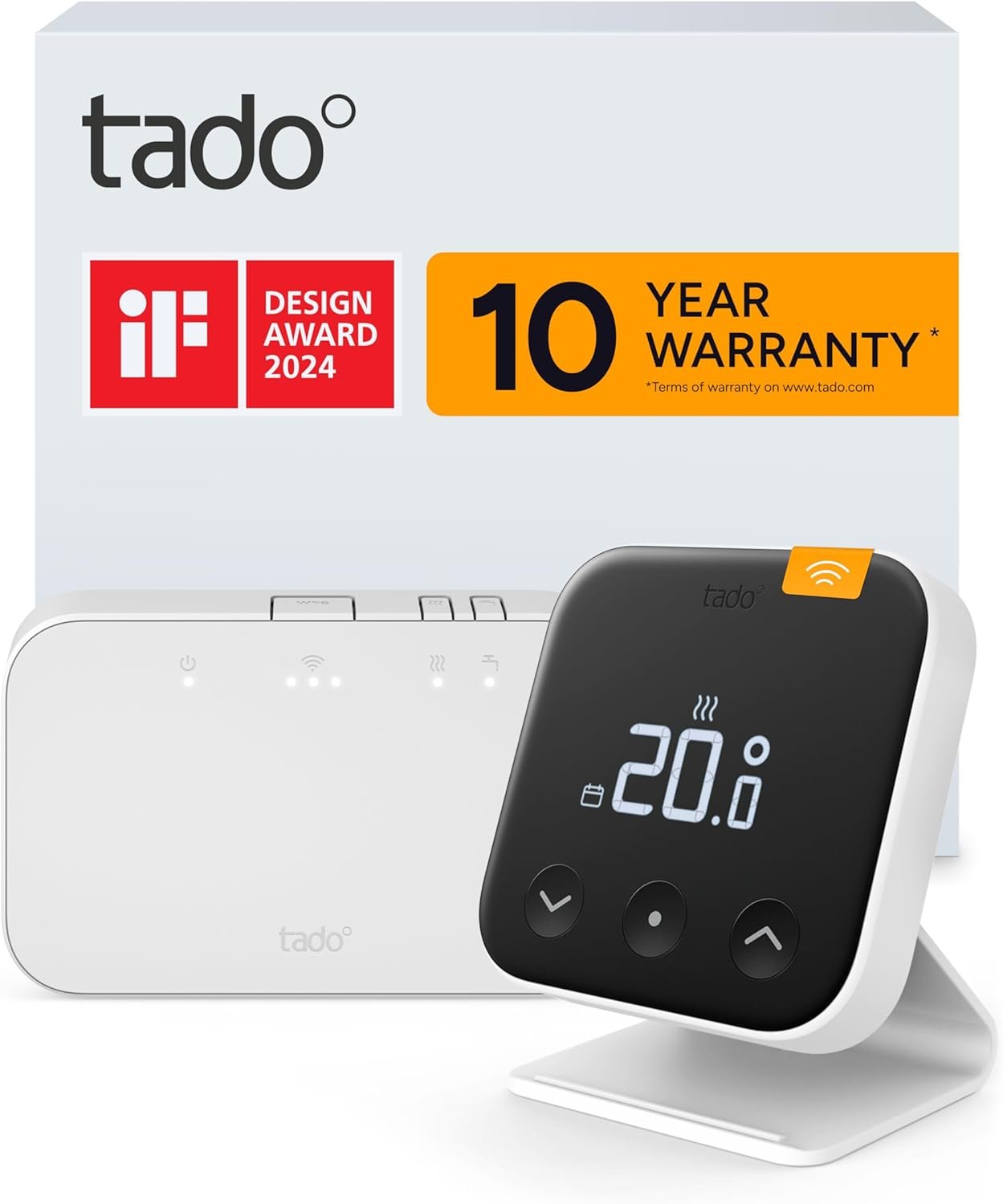
tado° Smart Thermostat X
Best for: Homes that want better scheduling, app control and the option to add smart radiator valves later.
tado° is a strong choice if you want to stop relying on basic timers or leaving the heating on for too long. It gives you better control over when the heating runs and can be expanded with smart TRVs for room-by-room control.
This makes it especially useful if your heating is often left on because your current controls are inconvenient or do not match your routine.
- Excellent app control and scheduling
- Useful energy-saving features
- Strong smart TRV support
- Good option for room-by-room upgrades
- Useful for homes with changing routines
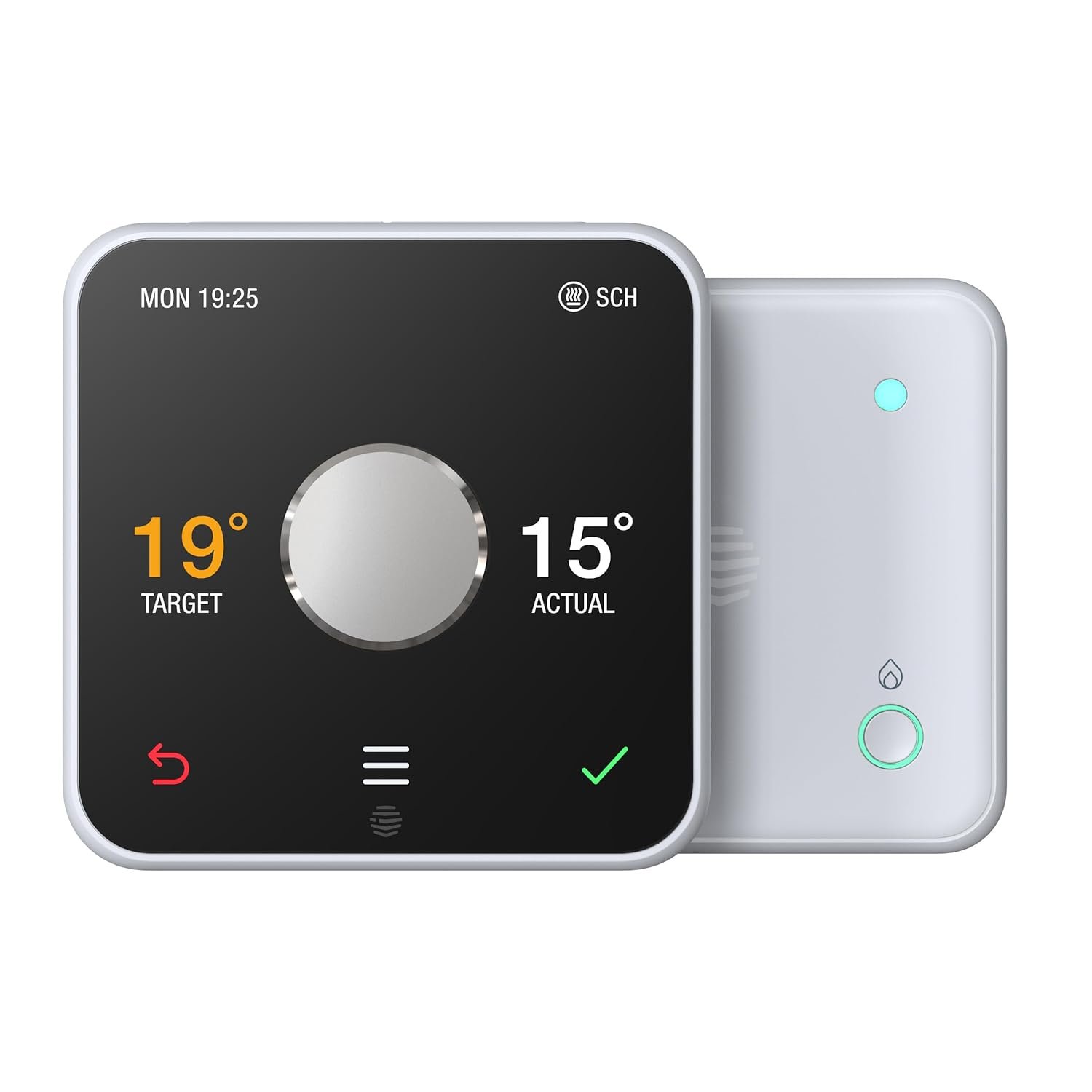
Hive Active Heating
Best for: Homes where the current timer or thermostat is old, confusing or inconvenient.
Hive is a good option if you mainly want a simple way to control heating from your phone and improve schedules. It is easy to use and works well for homeowners who do not want lots of advanced settings.
If leaving the heating on all day has become a habit because the timer is annoying to change, Hive can be a practical upgrade.
- Very easy to use
- Simple app control
- Good upgrade from old timers
- Familiar UK brand
- Best for straightforward heating control
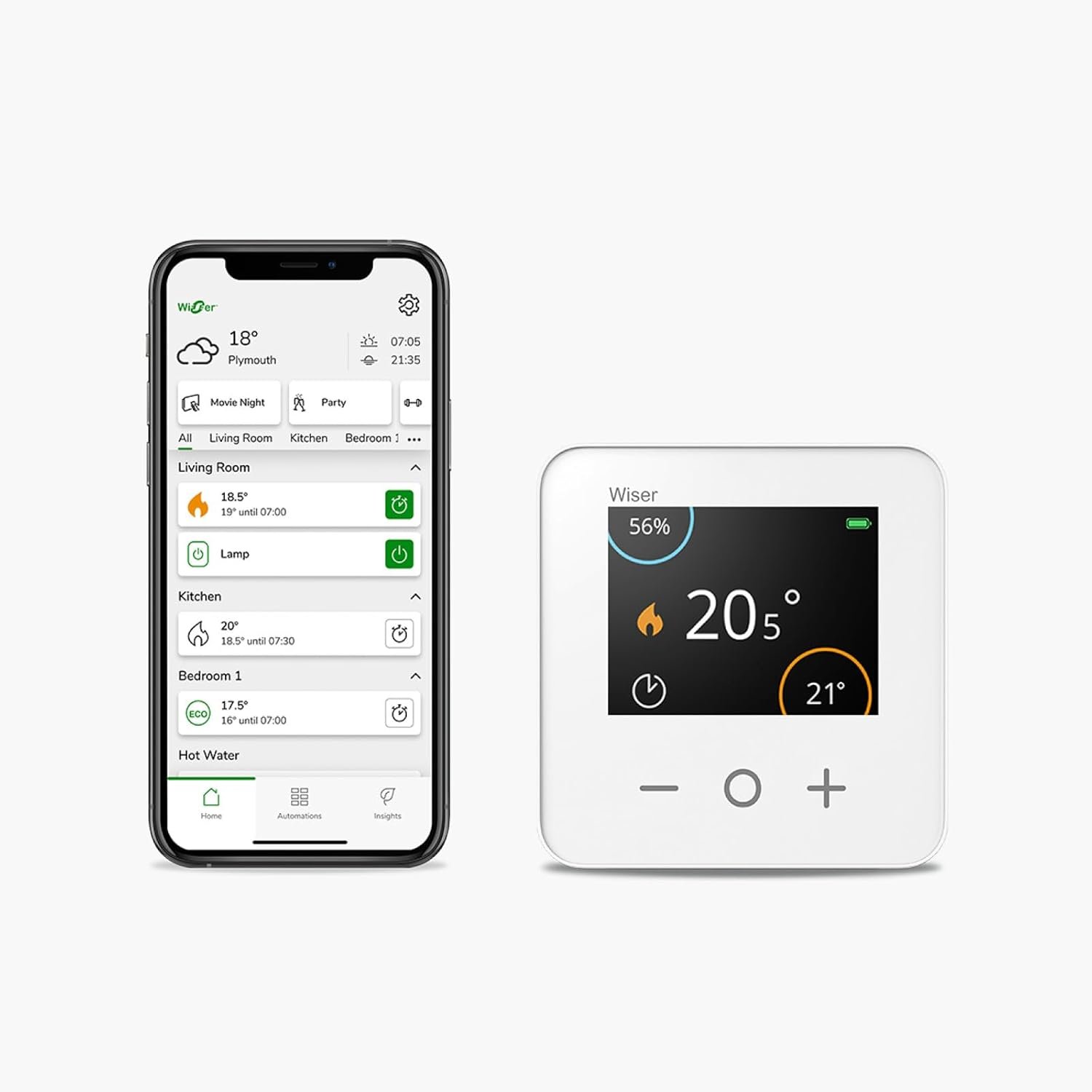
Drayton Wiser
Best for: Homes where some rooms are heated unnecessarily during the day.
Drayton Wiser is a strong option if your main problem is not the whole house, but specific rooms being heated when they do not need to be. It offers a good route into smart radiator valve control without paying the highest prices.
This can be useful in homes with spare rooms, home offices, bedrooms that overheat or different family routines.
- Good value for money
- Strong smart TRV support
- Useful for room-by-room heating
- Good app control
- Expandable over time
Smart TRVs That Can Help Avoid Heating Empty Rooms
If your main problem is heating rooms that are not being used, smart TRVs may be more useful than replacing the main thermostat alone.
They allow you to create room-by-room schedules, which can be useful for spare bedrooms, home offices, guest rooms and rooms that overheat.
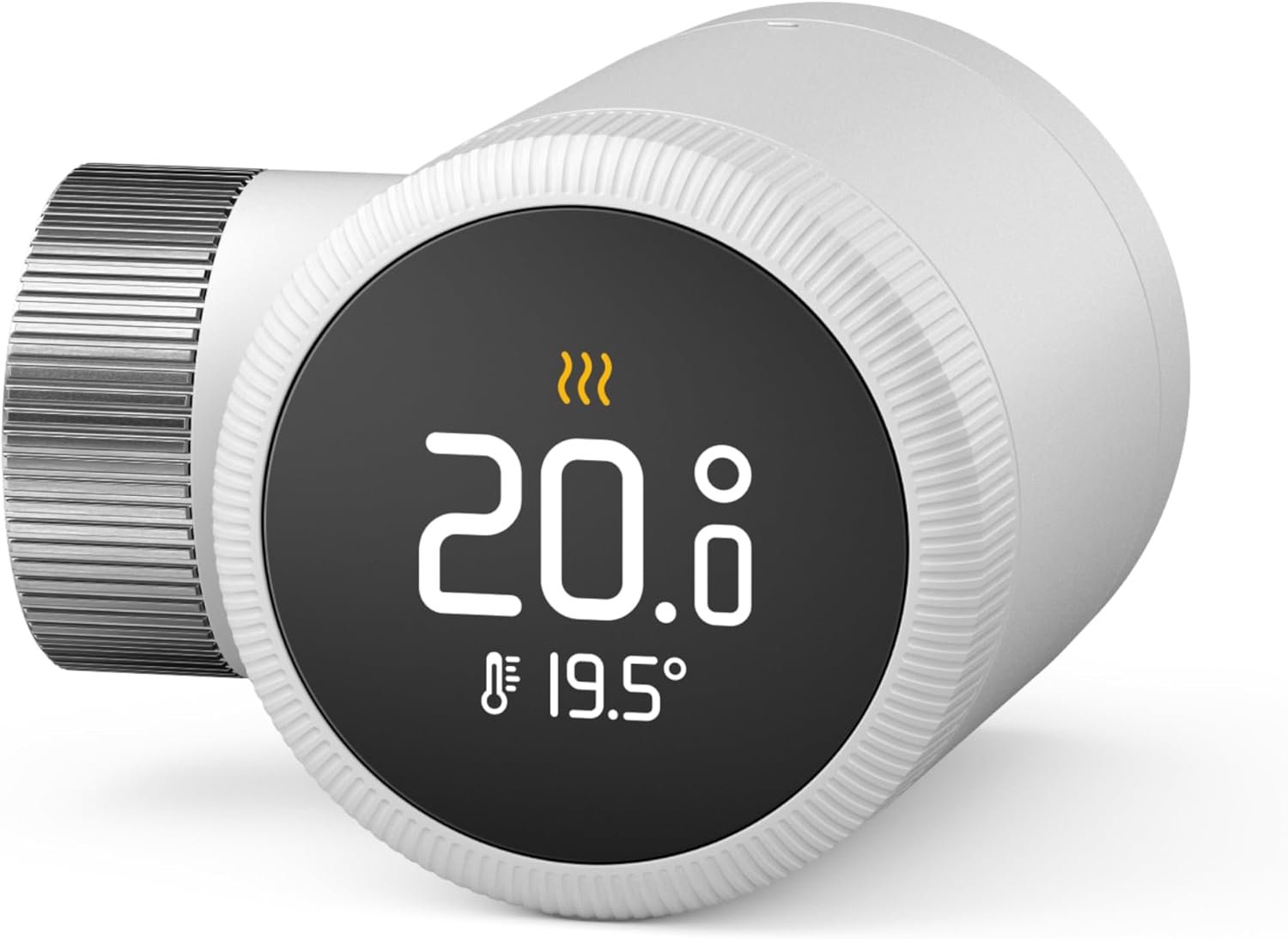
tado° Smart Radiator Thermostat X
Best for: Homes that want strong room-by-room control and may already use, or plan to use, tado° smart heating controls.
The tado° Smart Radiator Thermostat X is useful if your heating is often left on because different rooms need heat at different times. It can help reduce unnecessary heating in bedrooms, spare rooms and home offices.
- Excellent room-by-room scheduling
- Strong app control
- Good match with tado° thermostats
- Useful for unused or overheating rooms
- Best all-round smart TRV choice for most homes
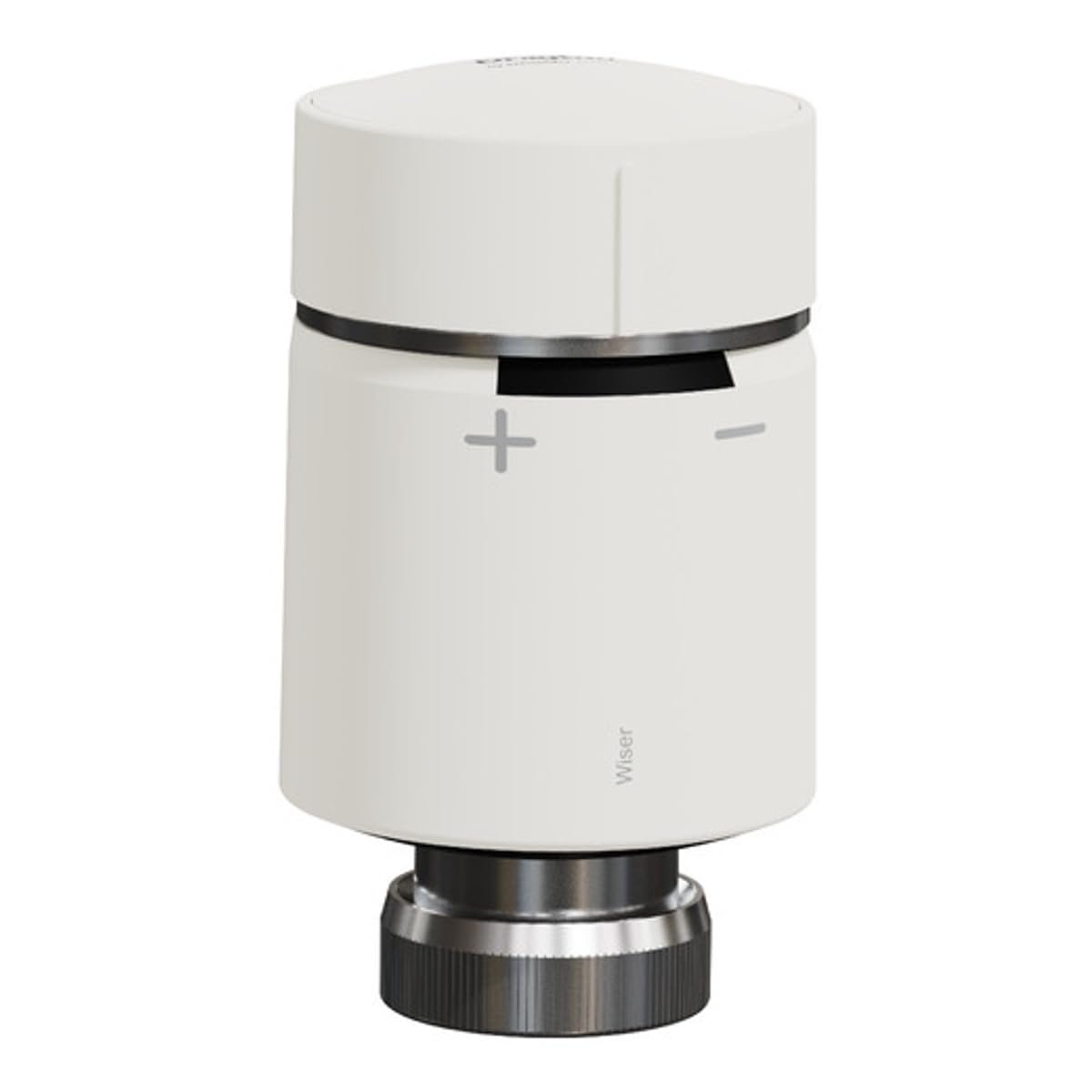
Drayton Wiser Smart Radiator Thermostat
Best for: Homes that want room-by-room control across several radiators without spending as much as premium systems.
Drayton Wiser TRVs are a strong option if your heating waste comes from multiple rooms being heated when they are not needed. They are especially useful when paired with a wider Wiser setup.
- Good value for multiple rooms
- Useful room-by-room scheduling
- Strong match with Drayton Wiser controls
- Good for family homes and spare rooms
- Practical upgrade path over time
How To Reduce Heating Costs Without Leaving It On All Day
For most homes, the aim should be better control, not constant heat.
- Use heating schedules instead of leaving heating on continuously
- Lower temperatures when rooms are not being used
- Reduce temperatures overnight
- Use TRVs properly
- Consider smart TRVs for rooms used at different times
- Improve insulation and draught-proofing where practical
- Lower thermostat settings slightly if comfortable
- Review your energy tariff and meter readings
- Avoid overheating hallways and spare rooms
Best practical route
Start with better schedules. Then add room-by-room control where the home is wasting heat.
Our Verdict
For most UK homes with traditional boilers, leaving the heating on all day is usually more expensive than heating the home only when needed.
Heat pumps are different and often work better with longer, steadier operation. The right approach depends on your heating system, insulation and comfort needs.
For most boiler-heated homes, the best solution is not constant heating. It is smart scheduling, sensible thermostat settings and room-by-room control where needed.
Final recommendation
Choose tado° for the best all-round smart control setup. Choose Hive for simple scheduling. Choose Drayton Wiser if room-by-room value matters most.
Frequently asked questions
Is it cheaper to leave heating on all day?
For most UK homes with gas boilers, no. It is usually cheaper to heat the home only when needed because a warm home constantly loses heat.
Is it cheaper to turn heating on and off?
For most boiler-heated homes, timed heating is usually cheaper than heating continuously. The best approach is a sensible schedule rather than extreme on-off use.
Should I leave heating on low all day?
For most gas boiler homes, leaving heating on low all day is still likely to use more energy than heating only when needed. Some heat pump systems may work better with steadier temperatures.
Are heat pumps cheaper if left on all day?
Many heat pumps work better with longer, steadier operation rather than aggressive stop-start heating. The best settings depend on the system design, insulation and controls.
Can a smart thermostat help reduce heating bills?
A smart thermostat can help if it improves schedules, reduces heating when nobody is home and makes it easier to avoid wasted heating.
Can smart TRVs stop rooms being heated unnecessarily?
Smart TRVs can help by allowing individual rooms to follow their own schedules. They are useful for spare rooms, home offices and bedrooms that do not need to be heated all day.
Are smart TRVs better than a smart thermostat?
They solve different problems. A smart thermostat controls the main heating schedule, while smart TRVs help control individual rooms. Many homes benefit from both.
Related guides
 Why Are My Energy Bills So High?
 Why Is My Heating Always On?
 Do Smart Thermostats Save Money?
 Are Smart Thermostats Worth It?
 Best Smart Thermostats
Best Smart TRVs
Best Smart Thermostats
Best Smart TRVs
 Smart Thermostat vs Smart TRV
 Are Smart TRVs Worth It?
Heat Pump Running Costs
Best Heat Pump Temperature Settings
Are Smart TRVs Worth It?
Heat Pump Running Costs
Best Heat Pump Temperature Settings
 Best Smart Thermostat for Gas Boilers