
Are Heat Pumps Worth It? UK Guide
For many UK homes, heat pumps can be worth it — but only when the property, system design, radiators, controls and running costs all make sense. This guide explains when a heat pump is a good investment, when it may disappoint, and how grants can change the financial case.
- Updated for 2026
- Includes £7,500 and £9,000 grant updates
- Independent UK homeowner advice

Quick Answer: Are Heat Pumps Worth It?
For many UK homes, yes, heat pumps can be worth it. They can provide efficient, lower-carbon heating and may offer lower or more predictable running costs than oil, LPG or direct electric heating.
However, heat pumps are not automatically the best choice for every home. The real value depends on insulation, radiator sizing, flow temperature, electricity tariff, controls, installation quality and available grants.
The financial case can be much stronger if you qualify for the £7,500 Boiler Upgrade Scheme. From 21 July 2026 to 31 March 2027, eligible off-gas-grid homes replacing heating oil or LPG may qualify for a higher £9,000 grant.
The key point
Heat pumps are worth it when the whole system is designed properly. A good installation can be efficient and comfortable. A poor installation can leave you with higher bills, uneven heating and disappointment.
See Heat Pump Costs →Compare Up to 3 Heat Pump Installers Near You
Tell us a little about your property to see installer options available in your area.
Free to use with no obligation
When Heat Pumps Are Most Worth It
A heat pump is more likely to be worth it when the property can be heated efficiently at lower flow temperatures and the owner understands how the system should be used.
- Your home is reasonably well insulated.
- Your radiators or underfloor heating are suitable for lower-temperature heating.
- The heat pump is correctly sized for the property.
- The installer carries out proper heat loss calculations.
- You are replacing oil, LPG or direct electric heating.
- You qualify for a grant that reduces the upfront cost.
- You plan to stay in the property long enough to benefit.
- You are happy with steady heating rather than short bursts of high-temperature heat.
If you are unsure about radiator suitability, read our guide on whether you need new radiators for a heat pump.
When Heat Pumps May Be Less Worth It
Heat pumps can disappoint when they are fitted into the wrong home, poorly designed, badly commissioned or sold with unrealistic promises.
- The home has poor insulation and high heat loss.
- Radiators are too small for low-temperature heating.
- The system is undersized or oversized.
- The installer does not design around real heat loss.
- The homeowner expects instant high heat like a traditional boiler.
- Electricity costs are high and the system runs inefficiently.
- Controls are poor or used incorrectly.
- The quote is cheap but cuts corners on design or commissioning.
In many cases, the issue is not the heat pump itself. It is whether the system is designed properly and whether expected heat pump running costs match reality.
What Makes a Heat Pump Good Value?
The biggest factor is not the brand alone. It is the quality of the full system design.
A well-specified heat pump with the right emitters, flow temperature, controls and commissioning will usually outperform a badly designed system, even if the hardware itself is excellent.
The most important value factors are:
- Heat loss: how much heat the property loses in cold weather.
- Flow temperature: lower flow temperatures usually mean better efficiency.
- Radiator output: radiators need to heat the rooms without forcing high temperatures.
- Controls: thermostats, schedules and zoning affect comfort and running costs.
- Tariff: electricity price has a direct effect on running costs.
- Grant support: the Boiler Upgrade Scheme can reduce the upfront cost significantly.
That is why it is worth comparing the best heat pumps for UK homes alongside the best smart thermostats for heat pumps.
Do Grants Make Heat Pumps Worth It?
Grants can make a major difference to whether a heat pump feels financially worthwhile.
For many eligible homes in England and Wales, the standard Boiler Upgrade Scheme grant is currently £7,500 towards an air-to-water air source heat pump or ground source heat pump.
From 21 July 2026 to 31 March 2027, eligible off-gas-grid homes replacing heating oil or LPG can qualify for a higher £9,000 grant.
| Example Installed Cost | After £7,500 Grant | After £9,000 Oil/LPG Grant |
|---|---|---|
| £10,000 | £2,500 left | £1,000 left |
| £12,500 | £5,000 left | £3,500 left |
| £15,000 | £7,500 left | £6,000 left |
These examples are only a simple guide. Real quotes may include radiator upgrades, cylinders, electrical work, controls and other extras.
Are Heat Pumps Worth It Compared With Gas, Oil, LPG and Electric Heating?
The answer depends heavily on what you are replacing.
| Current Heating | How Strong Is the Case? | Why |
|---|---|---|
| Gas boiler | Mixed | Gas is usually cheaper per kWh than electricity, so efficiency and design matter a lot |
| Oil boiler | Often strong | Oil prices can fluctuate, and eligible homes may qualify for the £9,000 grant uplift |
| LPG boiler | Often very strong | LPG can be expensive, and eligible homes may qualify for the £9,000 grant uplift |
| Direct electric heating | Often strong | Heat pumps can be much more efficient, but installation work can be more involved |
For more specific guidance, see our guides to gas boiler to heat pump, oil boiler to heat pump and LPG boiler to heat pump.
Running Costs: Will a Heat Pump Save You Money?
A heat pump can save money, but it is not guaranteed. Running costs depend on the efficiency of the system and the price of electricity compared with your current fuel.
Heat pumps usually look strongest against LPG, oil and direct electric heating. The comparison with mains gas is more finely balanced because gas is often cheaper per unit than electricity.
The biggest running cost factors are:
- Insulation and heat loss
- Flow temperature
- Radiator or underfloor heating suitability
- Weather compensation setup
- Thermostat schedules and controls
- Hot water use
- Electricity tariff
For a full breakdown of household electricity use and annual bills, read our Heat Pump Running Costs UK guide. For a current like-for-like comparison with gas, see our UK Heat Pump Running Cost Index, which compares the cost of useful heat using the latest Ofgem unit rates and clearly stated efficiency assumptions.
Compare Up to 3 Heat Pump Installers Near You
Tell us a little about your property to see installer options available in your area.
Free to use with no obligation
Controls and Accessories Can Affect Whether a Heat Pump Feels Worth It
Many homeowners focus on the heat pump unit itself, but controls can make a big difference to how easy the system is to live with.
A suitable thermostat can help with steady scheduling, comfort and avoiding unnecessary boosting. If your installer includes only basic controls, compare the best smart thermostats for heat pumps.
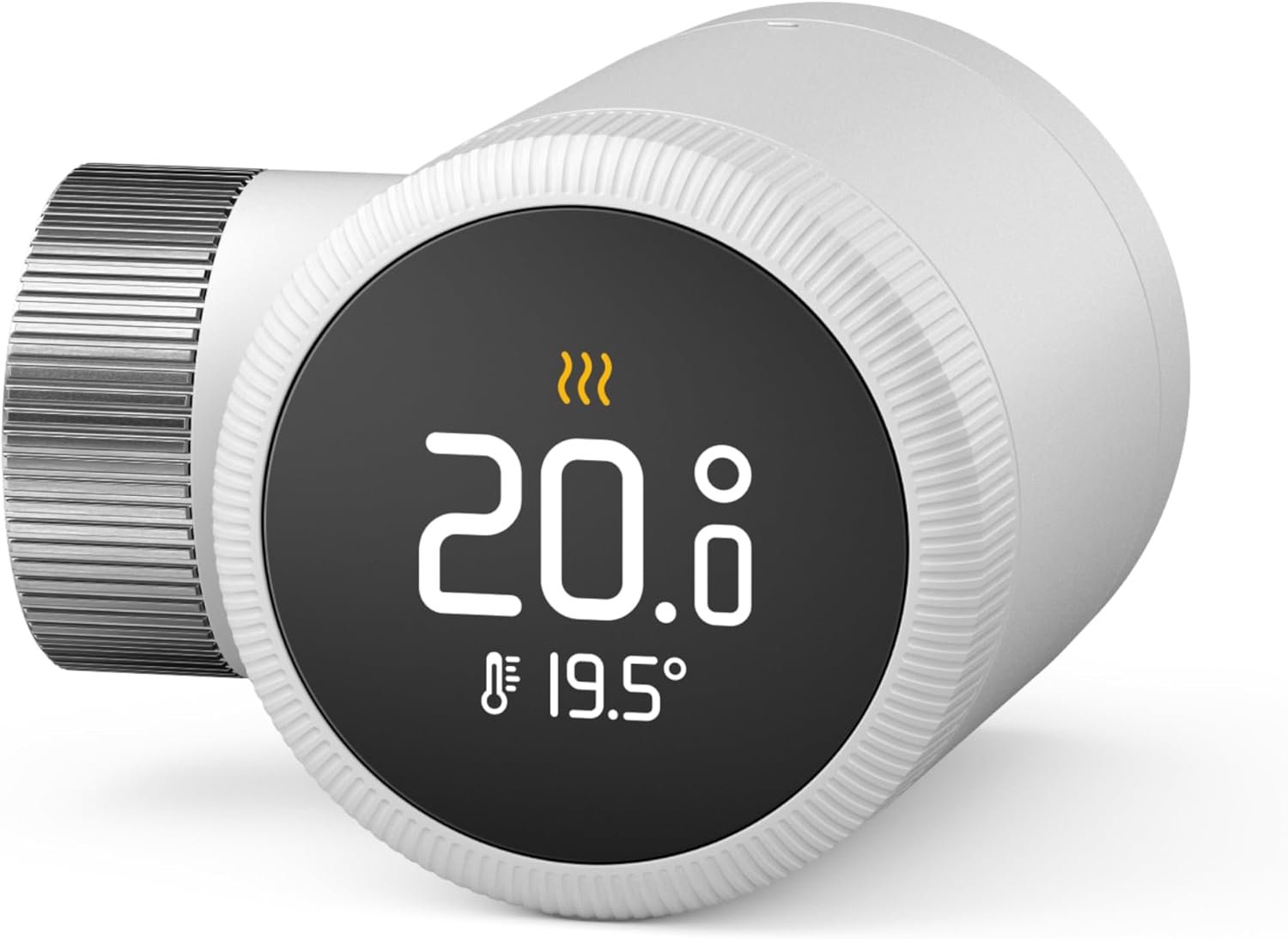
In larger homes, smart TRVs for heat pumps can help manage room-by-room comfort, especially if some rooms overheat while others are slower to warm up.
Energy monitors, smart plugs and room sensors can also help you understand how the system is performing after installation. See our guide to useful heat pump accessories.
Comfort: Are Heat Pumps Better or Worse Than Boilers?
A well-designed heat pump can be very comfortable, but it often feels different from a traditional boiler.
Instead of short bursts of very hot water, a heat pump usually works best by maintaining steady temperatures for longer periods. This can feel more consistent, but it may disappoint people expecting instant high heat after turning the system on.
Heat pumps are more likely to feel comfortable when:
- The home has suitable insulation.
- Radiators or underfloor heating are sized correctly.
- Weather compensation is set up properly.
- The thermostat is used steadily rather than aggressively.
- The system has been commissioned correctly.
If rooms feel cold or uneven after installation, see our guide to heat pump not heating properly.
Common Reasons People Regret Heat Pumps
Most heat pump problems come down to design, expectations or setup rather than the basic idea of heat pumps.
- The home was not suitable without upgrades.
- The installer did not carry out proper heat loss calculations.
- Radiators were too small for lower flow temperatures.
- The system was set to run too hot, reducing efficiency.
- The homeowner expected boiler-style operation.
- Controls were confusing or poorly configured.
- Running costs were not explained clearly before installation.
If your main concern is whether the system will actually save money, read Heat Pump Not Saving Money?.
Who Is Most Likely to Benefit From a Heat Pump?
Usually a Good Fit
- Homes replacing oil or LPG
- Homes with reasonable insulation
- Properties with suitable radiators or underfloor heating
- Long-term homeowners
- People willing to use steady heating
- Homes eligible for grant support
Needs More Careful Planning
- Poorly insulated homes
- Homes with undersized radiators
- Properties needing very high flow temperatures
- Very large or unusual homes
- Homes with limited outdoor space
- People expecting instant boiler-style heating
Important: A heat pump should not be judged on the outdoor unit alone. The design, installation, radiator sizing, controls, commissioning and user handover are what determine whether it feels worth it in real life.
Our Verdict
Heat pumps are worth it for many UK homes, especially those replacing oil, LPG or direct electric heating. They can also work well in gas-heated homes, but the financial case needs more careful comparison.
The best results usually come from a suitable property, proper heat loss calculations, correctly sized radiators, sensible controls and a realistic understanding of running costs.
If you want to compare the strongest options currently available, see our guide to the Best Air Source Heat Pumps UK.
Compare Up to 3 Heat Pump Installers Near You
Tell us a little about your property to see installer options available in your area.
Free to use with no obligation
Frequently asked questions
Are heat pumps worth it in the UK?
For many homes, yes. Heat pumps can be worth it when the property is suitable, the system is designed properly, and the homeowner understands the likely running costs. The case is often strongest for homes replacing oil, LPG or direct electric heating.
Are heat pumps worth it if I have a gas boiler?
They can be, but the financial case is more finely balanced because mains gas is often cheaper per kWh than electricity. A good design, suitable radiators and an appropriate electricity tariff become especially important.
Are heat pumps worth it if I use oil or LPG?
Often yes. Oil and LPG can be expensive and less predictable than mains gas. Eligible off-gas-grid homes replacing oil or LPG may also qualify for the temporary £9,000 Boiler Upgrade Scheme grant from 21 July 2026 to 31 March 2027.
Do heat pumps save money?
They can save money, but not always. Savings depend on the current heating system, electricity tariff, insulation, flow temperature, radiator sizing and how efficiently the heat pump is installed and used.
What is the biggest reason heat pumps disappoint?
The most common reasons are poor system design, undersized radiators, high flow temperatures, poor controls, weak commissioning or unrealistic expectations about how heat pumps should be used.
Does the heat pump grant make them worth it?
The Boiler Upgrade Scheme can make heat pumps much more attractive by reducing the upfront cost. However, the grant does not replace the need for good design, suitable radiators and realistic running cost expectations.
Related guides
 Heat Pump with Solar and BatteryIs the combination worth it?
 Heat Pump Running Costs UK
 Air Source Heat Pump Cost UK
 Heat Pump Grants UK
 Best Air Source Heat Pumps UK
 Gas Boiler to Heat Pump UK
 Oil Boiler to Heat Pump UK
 LPG Boiler to Heat Pump UK
 Do You Need New Radiators?
 Best Smart Thermostats for Heat Pumps
 Best Smart TRVs for Heat Pumps
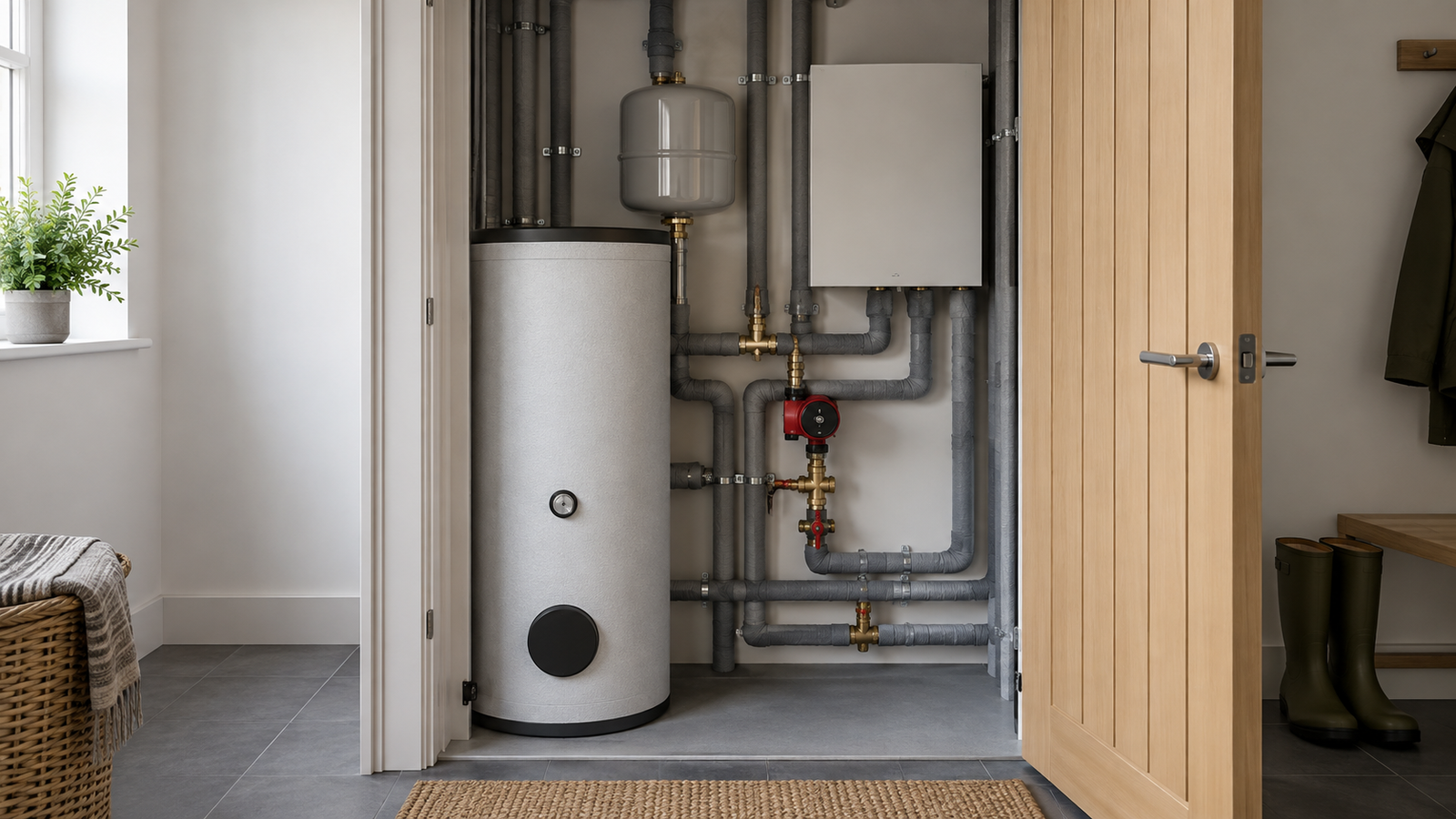 Heat Pump Accessories
 Heat Pump Not Saving Money?
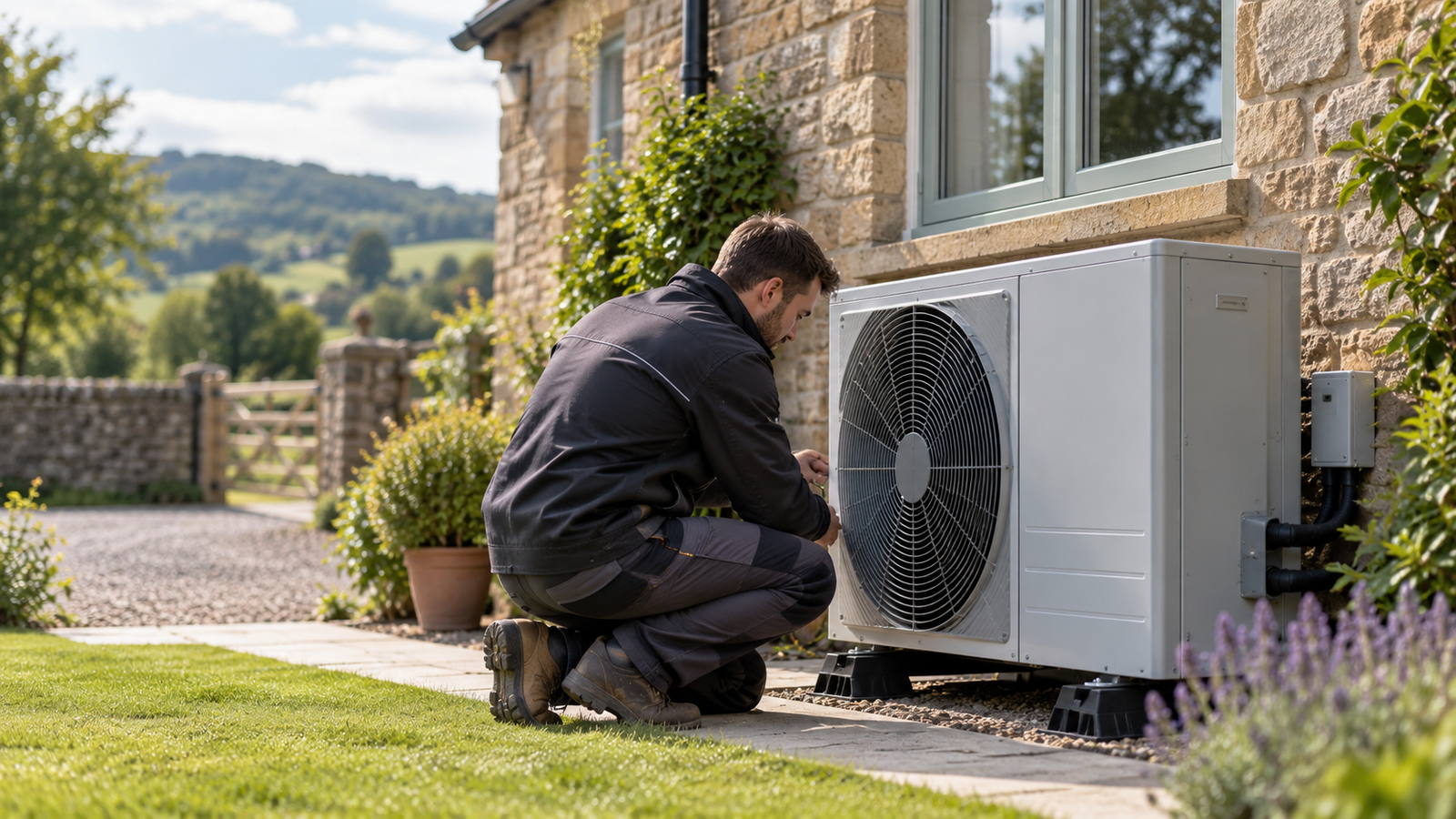 Heat Pump Not Heating Properly?
Sources and further reading
This guide uses official and independent sources for Boiler Upgrade Scheme grant values, heat pump suitability, running costs and system performance.
- GOV.UK: Boiler Upgrade Scheme overview
- GOV.UK: Boiler Upgrade Scheme grant values
- Energy Saving Trust: Boiler Upgrade Scheme explained
- Energy Saving Trust: Heat pumps: how they work, costs and savings
- Energy Saving Trust: How to ensure a heat pump runs efficiently
- Ofgem: Boiler Upgrade Scheme guidance for property owners