
Do You Need New Radiators for a Heat Pump?
Not always — but many UK homes need larger radiators, extra emitters or better system balancing to get the best comfort and efficiency from an air source heat pump. This guide explains when existing radiators can stay, when upgrades are needed and how radiator sizing affects running costs.
- Updated for 2026
- UK retrofit-focused guide
- Independent homeowner advice

Short Answer: Do You Need New Radiators?
You do not always need all-new radiators for a heat pump. Some homes can keep most or all of their existing radiators, especially if the property is well insulated and the radiators are already generously sized.
However, many UK homes were originally designed around gas or oil boilers running at higher flow temperatures. Heat pumps are most efficient at lower flow temperatures, so some existing radiators may not release enough heat unless they are larger, better positioned or replaced with higher-output alternatives.
The right answer should come from a room-by-room heat loss calculation, not a guess. If you are still comparing systems overall, start with our Best Air Source Heat Pumps UK guide. If you are mainly worried about budget, read our Air Source Heat Pump Cost UK guide.
Why Radiator Size Matters with Heat Pumps
A radiator does not produce heat by itself. It transfers heat from hot water into the room. The hotter the water, the more heat the radiator can emit. Traditional boilers often run at higher water temperatures, so smaller radiators may still feel very hot and heat a room quickly.
Heat pumps are different. They usually perform best when the water flowing through the heating system is cooler. That lower flow temperature improves efficiency, but it also means the radiators need enough surface area to deliver the required heat into each room.
If you are replacing a gas boiler, read our full guide to switching from a gas boiler to a heat pump.
The simple rule
The lower the flow temperature, the more radiator surface area you usually need. Bigger radiators can heat a room using cooler water, which helps a heat pump run more efficiently.
Why Boiler Radiators Can Be Too Small for Heat Pumps
Many older heating systems were designed around a boiler delivering high-temperature water. In that setup, radiators can be relatively compact because the water is hot enough to push a lot of heat into the room.
With a heat pump, the aim is usually to heat the home more gently and steadily using lower water temperatures. If the radiator is too small, the installer may need to increase the flow temperature to keep the room warm. That can reduce efficiency and increase heat pump running costs.
This is why radiator suitability is not just about comfort. It directly affects performance, efficiency and long-term value.
How Installers Decide Whether Radiators Need Upgrading
A good installer should not simply look at your current boiler size and choose a heat pump from that. They should assess the heat demand of the home and the heat output needed in each room.
The process normally involves:
- Room-by-room heat loss calculations: estimating how much heat each room loses through walls, windows, floors, roof and ventilation.
- Design temperatures: checking what indoor temperatures each room should reach during colder outdoor conditions.
- Emitter output checks: calculating whether each radiator can deliver enough heat at the planned flow temperature.
- Flow temperature planning: balancing radiator size, comfort and efficiency.
- System balancing: making sure water flows properly around the whole heating system.
Important: A proper heat loss calculation is one of the biggest differences between a heat pump that performs well and one that feels expensive or disappointing.
Compare Up to 3 Heat Pump Installers Near You
Tell us a little about your property to see installer options available in your area.
Free to use with no obligation
When You Might Not Need New Radiators
Some homes can work well with existing radiators, especially if they are already larger than needed for the previous boiler system.
- Your home is well insulated and does not lose heat quickly.
- Your existing radiators are already oversized.
- You have larger double-panel or double-convector radiators in key rooms.
- Your system can meet room heat demand at lower flow temperatures.
- Rooms currently warm up easily and evenly.
- You are using underfloor heating in some areas.
In homes that are already suitable, the best results often come from good controls, weather compensation and correct setup rather than replacing every radiator. See our guide to the best smart thermostats for heat pumps.
When You Probably Will Need Radiator Upgrades
Radiator upgrades are more likely if the home needs a lot of heat from small emitters, especially in older or less insulated properties.
- Small single-panel radiators in larger rooms
- Rooms that already struggle to heat properly
- Large rooms with big windows or external walls
- Older homes with higher heat loss
- Boiler-era systems designed around high flow temperatures
- Extensions or loft conversions with undersized heating
- Bathrooms or bedrooms that feel cold in winter
Radiator upgrades can add to the installation budget, which is why they should be considered alongside the full cost of a heat pump installation.
Does Every Radiator Need Replacing?
No. In many homes, only certain rooms need upgrades. For example, a living room with large windows may need a bigger radiator, while a hallway or small bedroom may already be fine.
A good design should identify the rooms that need attention rather than replacing every radiator by default. This can help control costs and avoid unnecessary work.
Good to know: The coldest or hardest-to-heat rooms usually determine whether the system can run efficiently at lower flow temperatures. One weak room can force the whole system to run hotter than ideal.
Radiator Options for Heat Pump Homes
If upgrades are needed, there are several options. The best choice depends on the room size, wall space, design preference and required heat output.
| Emitter Option | Best For | Pros | Things to Consider |
|---|---|---|---|
| Larger radiators | Most retrofit homes | Simple, familiar and usually cost-effective | Needs enough wall space |
| Double-panel / convector radiators | Rooms needing more output | Higher output without huge width increases | Can project further from the wall |
| Fan-assisted radiators | Rooms with limited wall space | Can deliver more heat from compact units | May use electricity and create some fan noise |
| Underfloor heating | Extensions, renovations and new floors | Excellent match for low-temperature heating | More disruptive and expensive to retrofit |
| Smart TRVs and zoning | Room-by-room control | Improves comfort and avoids overheating unused rooms | Does not fix undersized radiators on its own |
Are Bigger Radiators Less Comfortable?
No. Bigger radiators do not mean the room becomes too hot. They simply provide more surface area, allowing the room to be heated using lower-temperature water.
In fact, a well-designed heat pump system often feels more even and consistent than a boiler system. Instead of radiators getting very hot for short bursts, the system tends to maintain steadier background warmth for longer periods.
This is also why thermostat strategy matters. Read our guide to best heat pump temperature settings for more on how to run the system efficiently.
Underfloor Heating vs Radiators with a Heat Pump
Underfloor heating can work very well with heat pumps because it uses a large surface area and lower water temperatures. That makes it a strong match for extensions, renovations and new-build spaces.
However, underfloor heating is not essential. Many UK heat pump installations work well with radiators, provided they are correctly sized and the system is properly designed.
Radiators
- Usually easier to retrofit
- Lower disruption than underfloor heating
- Can work well if correctly sized
- Often the practical choice for existing homes
Underfloor Heating
- Excellent for lower flow temperatures
- Good comfort across larger spaces
- Best during renovations or extensions
- More expensive and disruptive to add later
How Radiators Affect Running Costs
Radiators affect running costs because they influence the flow temperature the heat pump needs to use. If a radiator can heat the room at a lower flow temperature, the heat pump usually runs more efficiently.
If the radiator is too small, the system may need higher flow temperatures to maintain comfort. That can reduce efficiency and increase electricity use.
This is why radiator upgrades can sometimes be worth the extra upfront cost. They may help the heat pump run more efficiently over the long term, especially in rooms that would otherwise force the whole system to work harder.
Compare Heat Pump Running Costs →Compare Up to 3 Heat Pump Installers Near You
Tell us a little about your property to see installer options available in your area.
Free to use with no obligation
How Much Do Radiator Upgrades Cost?
Costs vary depending on the number of radiators, size, style, pipework changes and labour. A single radiator upgrade may be relatively modest, but a whole-house upgrade can add significantly to the project.
As a rough planning point, radiator upgrades are one of the common extras that can move a heat pump quote from the lower end of the range towards the middle or higher end.
For a broader breakdown of installation extras, see our Air Source Heat Pump Cost UK guide.
Can Smart TRVs Replace Bigger Radiators?
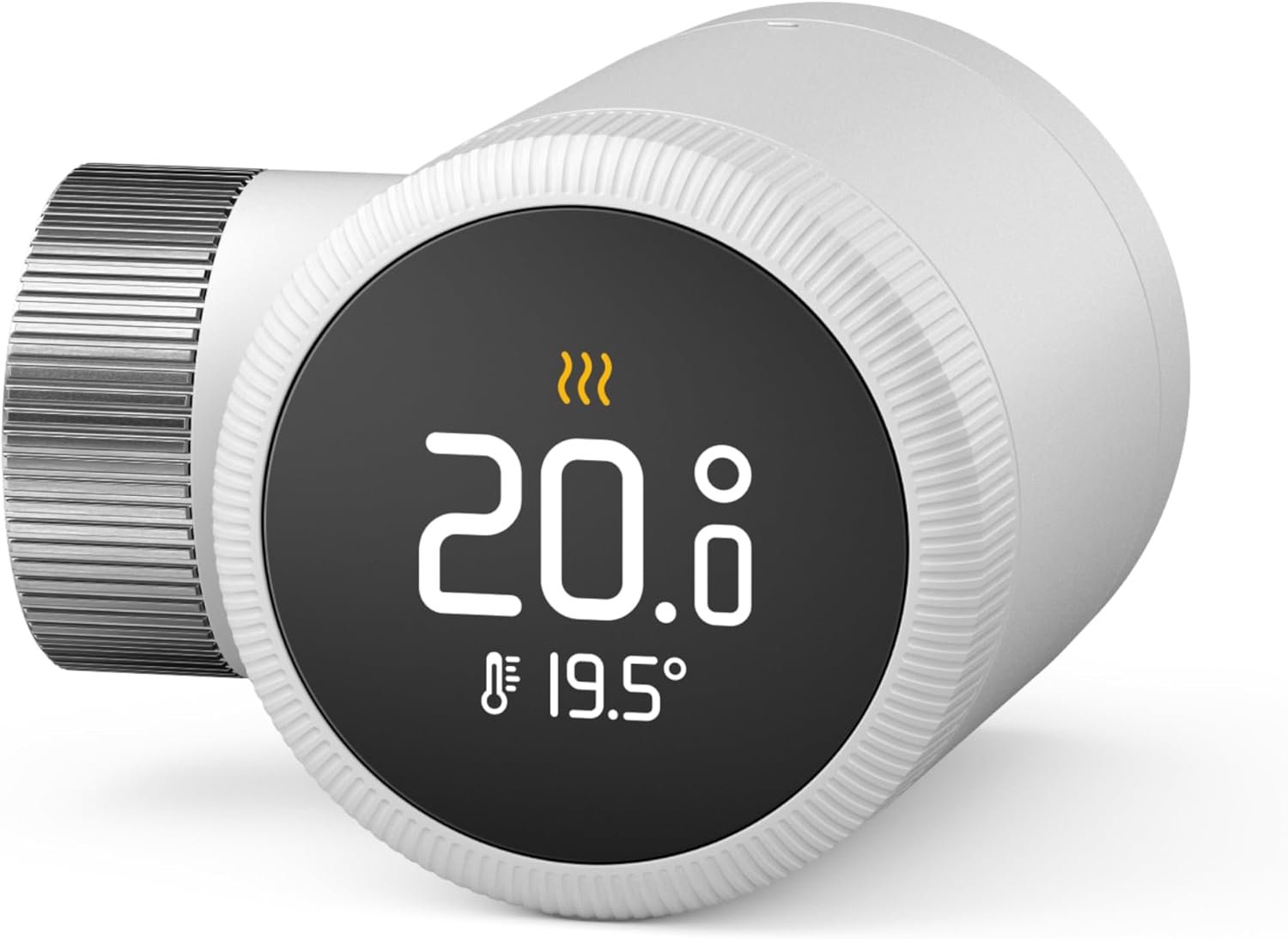
No. Smart TRVs can help control rooms better, but they do not increase the heat output of an undersized radiator.
If a room cannot reach temperature because the radiator is too small, a smart TRV will not solve the core problem. It may improve scheduling and zoning, but the room still needs enough emitter output.
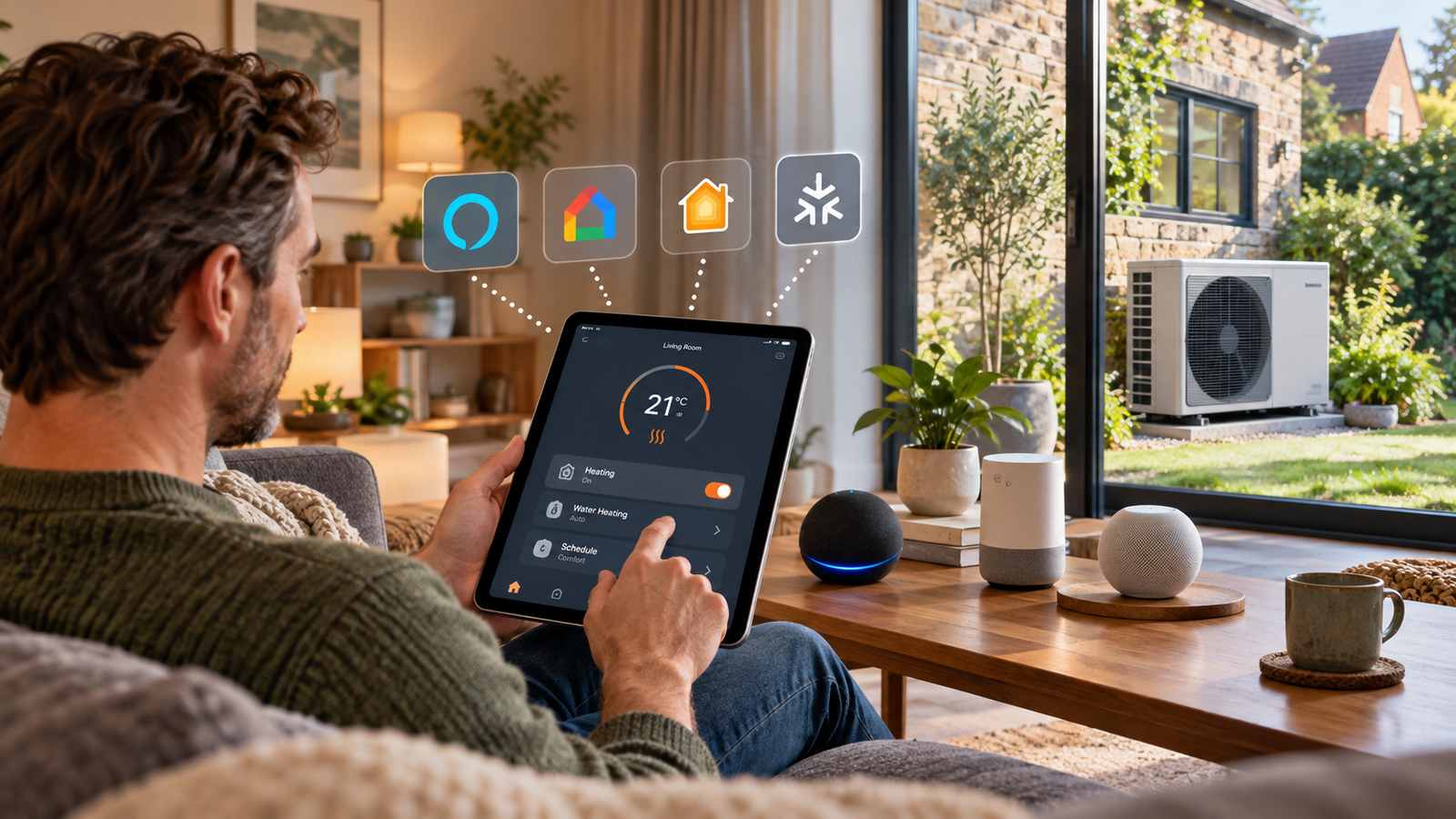
Smart TRVs are best used once the heating system itself is properly sized and balanced. See our guide to the best smart TRVs for heat pumps.
Signs Your Radiators May Be Too Small
- Some rooms are already cold with your current heating system.
- Radiators are small single-panel units in large rooms.
- The home takes a long time to warm up in winter.
- You need high boiler flow temperatures to stay comfortable.
- Rooms with lots of external wall or glazing feel noticeably colder.
- Your installer says the planned flow temperature needs to be high.
If these apply, radiator upgrades should be discussed before installation rather than discovered after the system is fitted.
Radiator Upgrade Checklist
Before agreeing to a heat pump quote, ask your installer:
- Have you completed room-by-room heat loss calculations?
- What design flow temperature is the system based on?
- Which rooms need radiator upgrades and why?
- Can any existing radiators stay?
- Will upgrades reduce the required flow temperature?
- Are fan-assisted radiators or underfloor heating worth considering?
- Are smart controls included or quoted separately?
- How will the system be balanced and commissioned after installation?
Final Verdict
You do not automatically need new radiators for a heat pump, but many UK homes benefit from upgrading at least some of them.
The important thing is not whether the radiators are new — it is whether they can deliver enough heat at efficient flow temperatures. That should be calculated room by room before installation.
For most homeowners, the best approach is to avoid blanket assumptions. Keep radiators that are suitable, upgrade the weak rooms, and make sure the system is designed around comfort, efficiency and long-term running costs.
Compare Up to 3 Heat Pump Installers Near You
Tell us a little about your property to see installer options available in your area.
Free to use with no obligation
Frequently asked questions
Do you need new radiators for a heat pump?
Not always. Some homes can use existing radiators, but many heat pump installations need larger radiators or other emitter upgrades to perform well at lower flow temperatures.
Why do heat pumps need larger radiators?
Heat pumps work most efficiently at lower flow temperatures, so larger radiators can help deliver enough heat without forcing the system to run hotter and less efficiently.
Can underfloor heating work well with a heat pump?
Yes, underfloor heating can work very well with heat pumps because it is designed to operate at lower temperatures over larger surface areas.
How do I know if my radiators are suitable?
A heat loss calculation and proper system design are the best ways to check whether your existing radiators are suitable for a heat pump.
Can smart TRVs replace radiator upgrades?
No. Smart TRVs can improve control and zoning, but they cannot increase the heat output of an undersized radiator.



Sources and further reading
This guide uses public heat pump guidance and design information from trusted UK energy organisations and installer standards.