
Do Heat Pumps Work in Winter UK?
Yes — air source heat pumps do work in winter in the UK. The real question is not whether they work, but whether the system has been designed, sized, installed and controlled properly for cold weather.
- Updated for 2026
- UK winter-focused guide
- Sources included

Short Answer: Do Heat Pumps Work in Cold Weather?
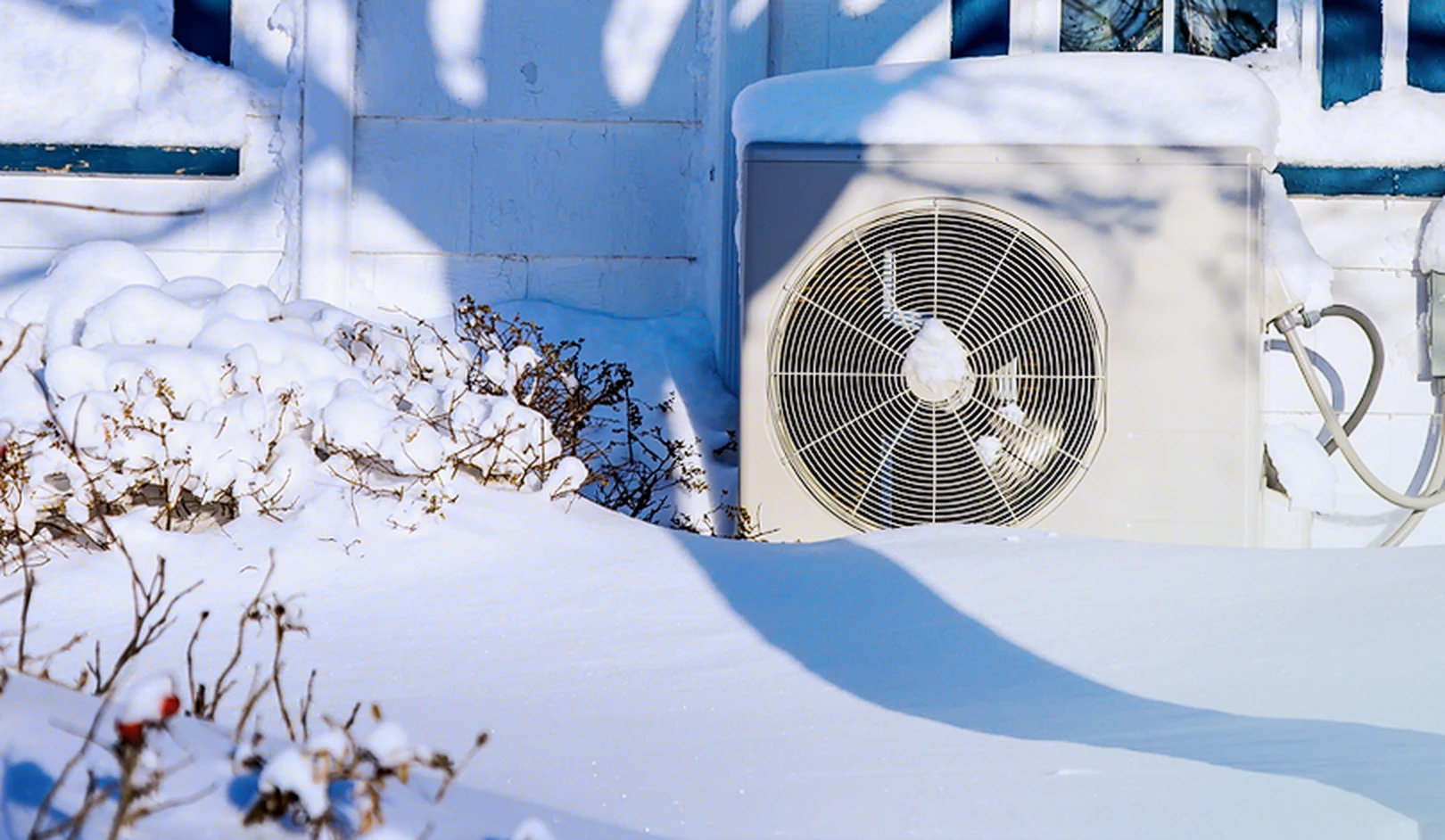
Yes, heat pumps are designed to work in cold weather. Even when it feels cold outside, there is still heat energy in the air that an air source heat pump can extract and move into your home.
However, winter performance depends heavily on the full heating system. A good heat pump fitted badly can disappoint. A correctly sized heat pump, with suitable radiators, sensible flow temperatures and good controls, can keep a UK home comfortable through winter.
If you are comparing systems, start with our Best Air Source Heat Pumps UK guide. If your main concern is the bill impact, read our Heat Pump Running Costs UK guide.
Why Heat Pumps Can Still Work When It Is Freezing
Air source heat pumps do not create heat in the same way as a boiler. They move heat from outside air into your heating system using a refrigerant cycle. This is why they can still operate in cold weather, even when outdoor air feels freezing.
As temperatures fall, the heat pump usually has to work harder. Efficiency can drop, but that does not mean the system stops working. It means the system design becomes more important.
This is especially important for rural off-grid homes. Read our guide to replacing an LPG boiler with a heat pump.
The key point
A winter-ready heat pump system is not just about the outdoor unit. It is about matching the heat pump to the property’s heat loss, radiator output, insulation, controls and hot water requirements.
What Actually Affects Winter Performance?
The main winter performance factors are usually the same issues that affect comfort and running costs all year round — but cold weather exposes them more quickly.
- Heat loss: A draughty or poorly insulated home loses heat faster, so the heat pump has to work harder.
- Radiator sizing: Heat pumps work best at lower flow temperatures, so some homes need larger radiators or better emitters.
- Flow temperature: Lower flow temperatures improve efficiency, but only if your radiators or underfloor heating can still heat the rooms properly.
- Weather compensation: This adjusts the system’s flow temperature based on the outdoor temperature.
- Commissioning: Installer setup matters. Poor settings can make a good heat pump feel expensive or underpowered.
- Controls: Heat pumps usually prefer steady heating rather than sharp on/off boiler-style schedules.
If you are unsure whether your radiators are suitable, read Do You Need New Radiators for a Heat Pump?.
Do Heat Pumps Get Less Efficient in Winter?
Yes, usually. An air source heat pump is normally more efficient when outside air is milder and the home can be heated at lower flow temperatures. In colder weather, it may need to work harder and deliver warmer water, which can reduce efficiency.
That does not mean the system is failing. It means the heat pump is operating under harder conditions. This is why comparing brochure figures alone can be misleading — real performance depends on how the system is designed and used.
Important: A heat pump can be efficient over the year even if it uses more electricity during the coldest weeks. Winter bills should be judged alongside annual performance, insulation, tariff and comfort.
Winter Performance: Good Setup vs Poor Setup
| Factor | Good Winter Setup | Poor Winter Setup |
|---|---|---|
| System sizing | Matched to the home’s heat loss | Undersized or guessed from old boiler size |
| Radiators | Large enough for lower flow temperatures | Too small, forcing higher temperatures |
| Controls | Steady heating with sensible schedules | Frequent on/off boiler-style use |
| Weather compensation | Heating curve adjusted for the home | Left badly configured or ignored |
| Comfort | Stable room temperatures | Cold rooms and slow recovery |
| Running costs | Controlled through efficient operation | Higher due to poor design or high flow temperatures |
Do Heat Pumps Stop Working in Frost?
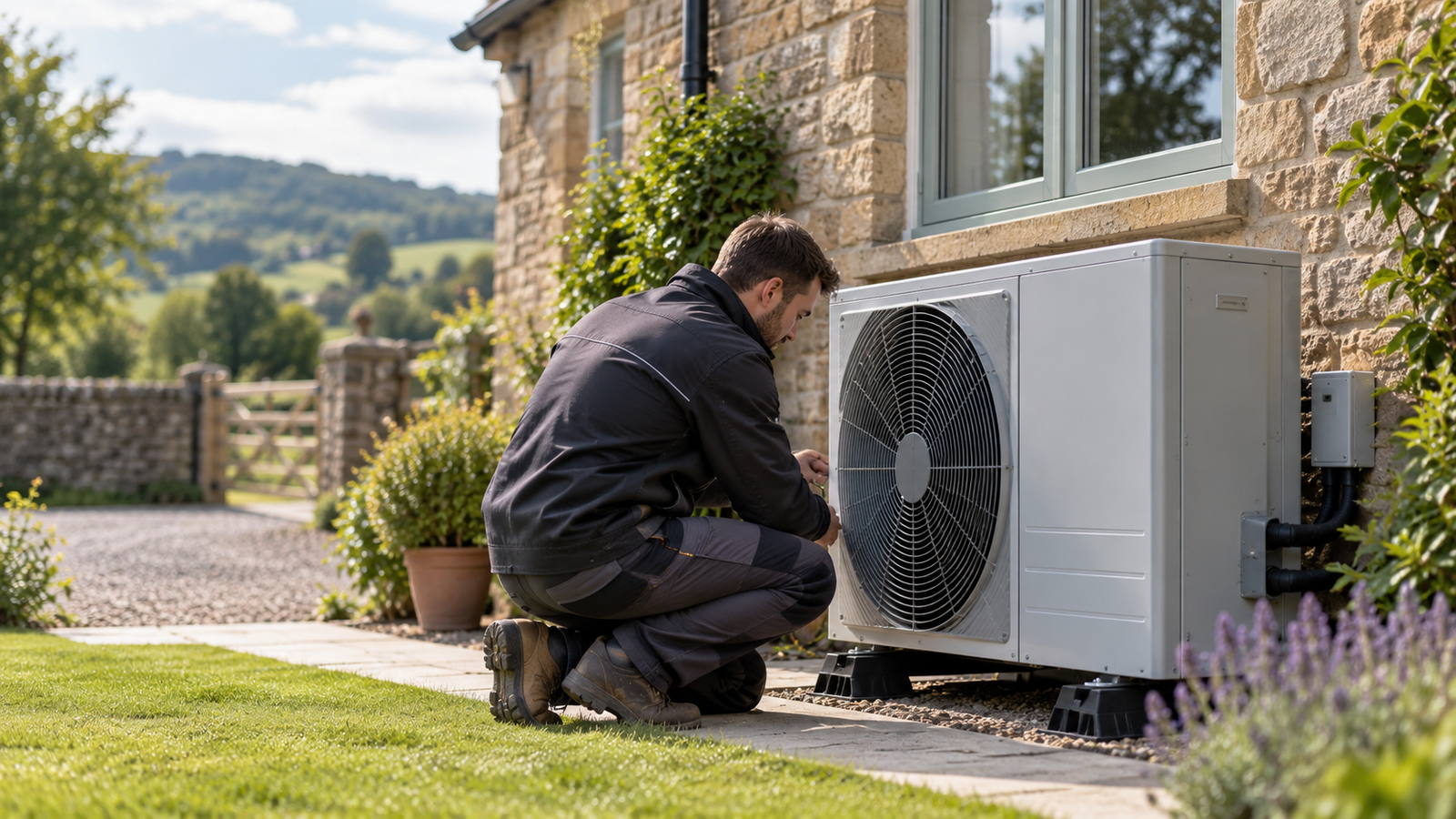
No. Air source heat pumps are designed to operate in cold, frosty conditions. During winter, the outdoor unit may occasionally enter a defrost cycle. This is normal.
When frost forms on the outdoor coil, the system briefly clears the ice. During this time, you may notice steam, water dripping, or a temporary change in sound. That does not usually mean the unit is broken.
Good to know: Defrost cycles are normal in cold, damp weather. If the unit is constantly icing up, struggling to recover, or the home stays cold, that may point to a design, setup or fault issue.
Which Heat Pumps Are Best in Winter?
The best winter heat pump is not always the one with the highest headline efficiency figure. For UK homes, winter suitability usually comes down to low-temperature performance, defrost behaviour, installer familiarity, noise, controls and support.
On our current shortlist, Mitsubishi Ecodan is a strong choice for cold-weather confidence, while Daikin Altherma is one of the best all-round options for many UK homes.
- Mitsubishi Ecodan: strong reputation for winter reliability and cold-weather performance.
- Daikin Altherma: excellent all-round balance of efficiency, installer support and usability.
- Samsung EHS R290: appealing for quiet homes and modern refrigerant design.
- Panasonic Aquarea: strong efficiency potential when paired with good system design.
Daikin vs Mitsubishi in Winter
If winter performance is your biggest concern, Mitsubishi Ecodan is often seen as one of the safest choices. It has a strong UK reputation and is commonly associated with dependable cold-weather performance.
Daikin Altherma is usually the better all-round recommendation for many homes because it balances winter performance with efficiency, support, noise and usability.
In practice, the better choice depends on your property and installer. A well-designed Daikin system will usually beat a poorly designed Mitsubishi system, and vice versa.
Do You Need Bigger Radiators for Winter?
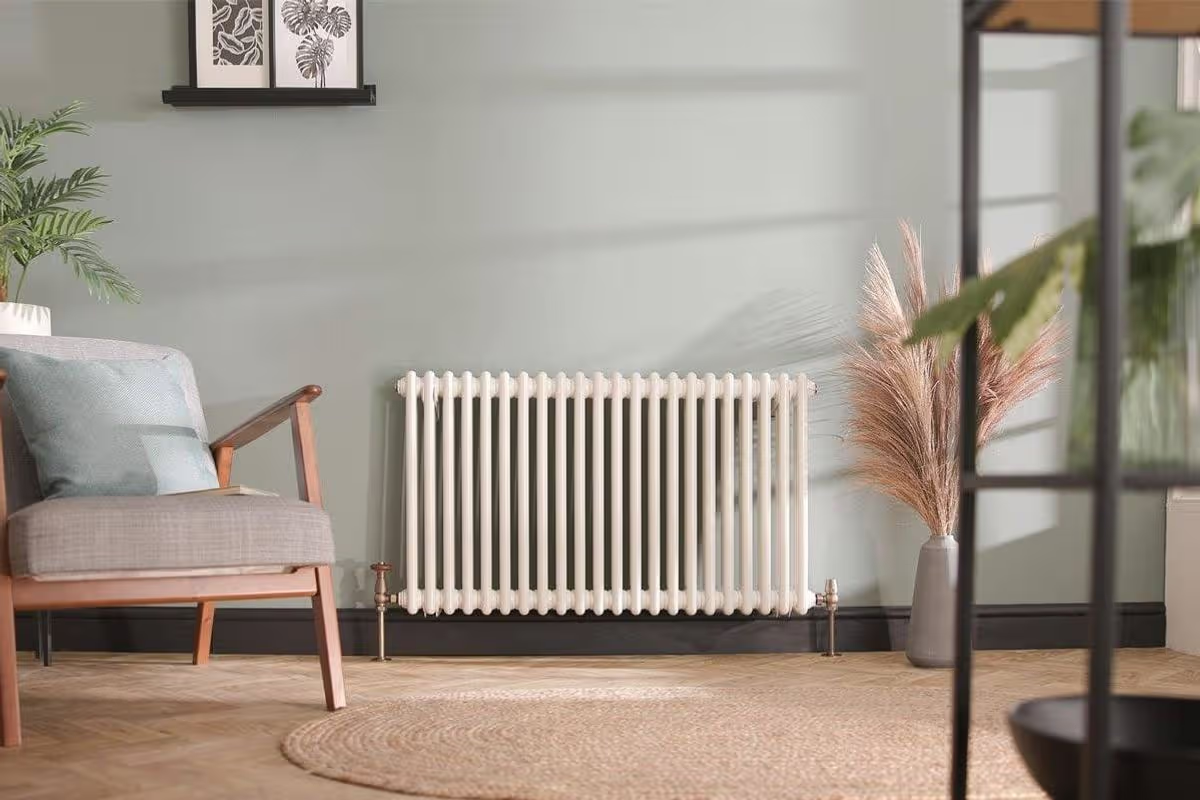
Sometimes, yes. Heat pumps are most efficient when they can heat your home using lower water temperatures than a traditional gas boiler. If existing radiators are too small, the installer may have to raise the flow temperature, which can reduce efficiency and increase running costs.
Bigger radiators do not necessarily mean hotter rooms. They allow the system to deliver enough heat at a lower water temperature, which is exactly what heat pumps prefer.
Best Winter Settings for Heat Pumps
Heat pumps usually work best with steady, moderate settings rather than large temperature swings. Turning the system off for long periods and then expecting fast recovery can reduce comfort and may increase energy use.
- Use steady room temperatures rather than aggressive stop-start schedules.
- Avoid very large night-time setbacks unless your installer recommends them.
- Use weather compensation where available.
- Keep flow temperatures as low as practical while maintaining comfort.
- Use smart controls to manage rooms sensibly, not to force constant cycling.
Can Smart Thermostats Help in Winter?
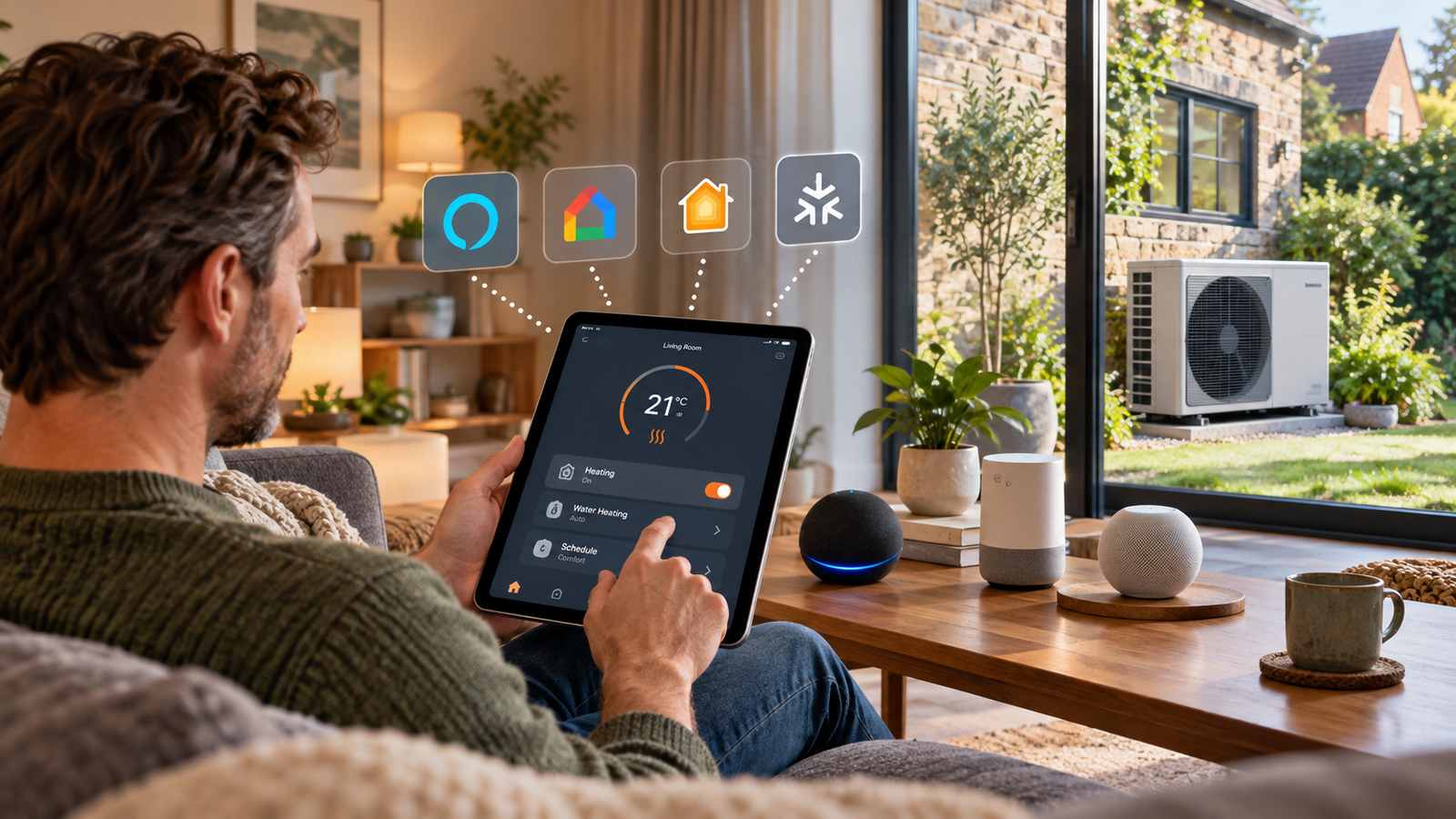
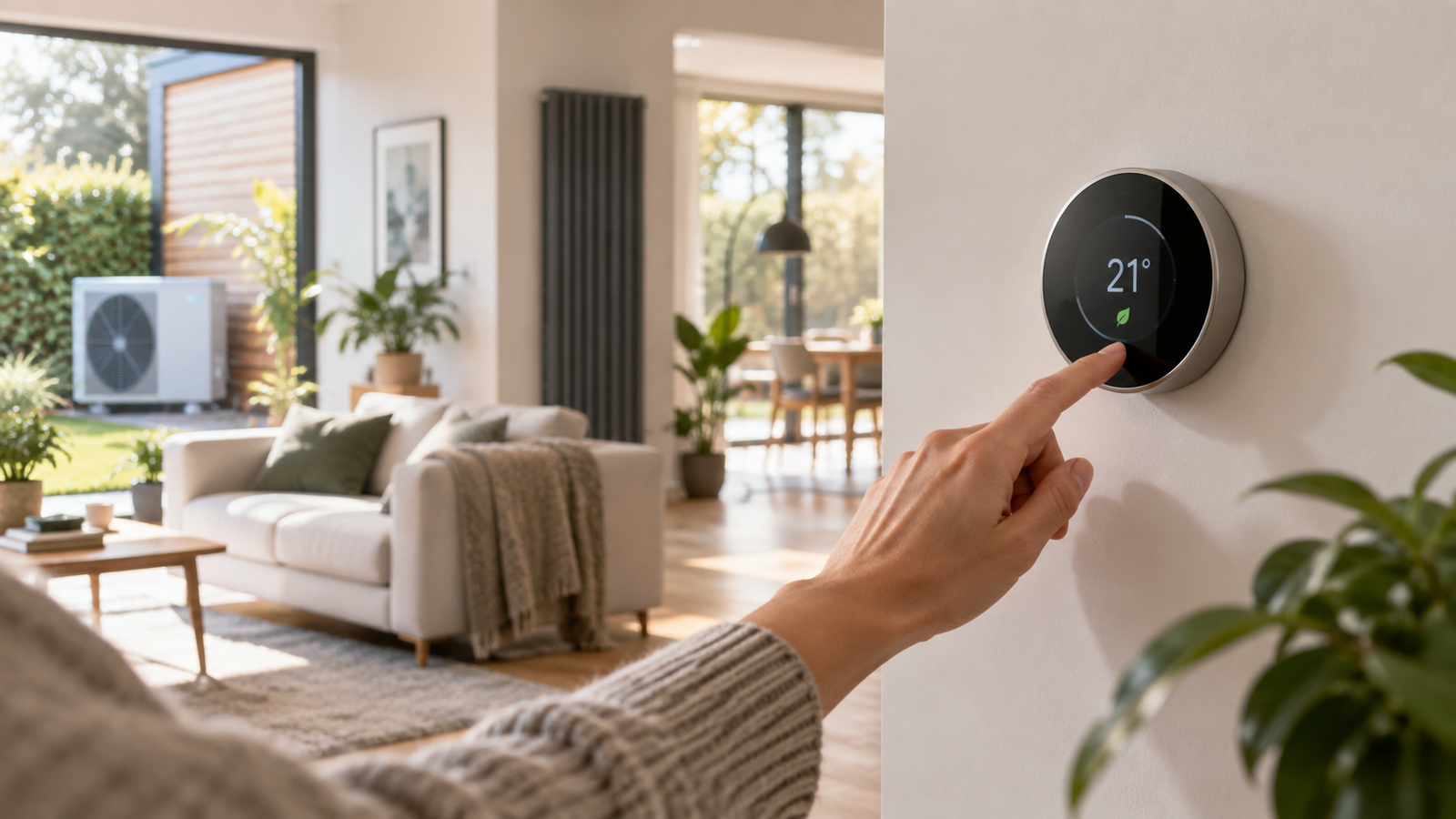
Yes, but only if they are compatible and used correctly. A smart thermostat can help maintain steadier temperatures, avoid wasteful schedules and make it easier to control comfort.
However, a smart thermostat cannot fix an undersized heat pump, poor radiator sizing or bad commissioning. It should support a good system, not compensate for a bad one.
For larger homes, smart TRVs and zoning can also help reduce overheating in unused rooms while keeping key living spaces comfortable.
What If Your Heat Pump Struggles in Winter?
If your home feels cold, the heat pump is noisy, bills are higher than expected, or the system runs constantly without maintaining comfort, the issue may not be the heat pump brand itself.
Common causes include:
- Radiators that are too small for low-temperature heating
- Incorrect weather compensation settings
- Poor system balancing
- Undersized heat pump
- High heat loss from poor insulation or draughts
- Thermostat placed in the wrong location
- Installer settings left too generic
How Winter Performance Affects Running Costs
Running costs are usually higher in winter because your home needs more heat. That is normal for any heating system. The important question is whether the heat pump is delivering that heat efficiently.
Cold weather can reduce efficiency, but the biggest avoidable cost problems usually come from poor setup: high flow temperatures, poor controls, undersized emitters or a badly commissioned system.
Are Heat Pumps Suitable for Older UK Homes in Winter?
They can be, but older homes often need more careful design. A heat pump does not automatically require a perfect new-build home, but draughts, poor insulation, small radiators and high heat loss can make winter performance more challenging.
For older properties, the installer should pay close attention to heat loss calculations, radiator sizing, hot water requirements and control strategy.
In some cases, targeted upgrades such as loft insulation, draught reduction, radiator changes or better controls can make a big difference.
Winter Heat Pump Checklist
- Has the installer completed a proper heat loss calculation?
- Are the radiators large enough for lower flow temperatures?
- Is weather compensation enabled and set correctly?
- Are controls designed for steady heat pump operation?
- Is the outdoor unit positioned with good airflow?
- Has the system been balanced and commissioned properly?
- Are you comparing running costs over the year, not just one cold week?
Compare Up to 3 Heat Pump Installers Near You
Tell us a little about your property to see installer options available in your area.
Free to use with no obligation
Frequently asked questions
Do air source heat pumps work below freezing?
Yes. Air source heat pumps are designed to work below freezing, although efficiency usually falls as outside temperatures drop.
Do heat pumps work in UK winters?
Yes, heat pumps can work well in UK winters when the system is correctly sized, installed, commissioned and controlled.
Why does my heat pump use more electricity in winter?
Your home needs more heat in winter, and the heat pump may need to work harder in colder outdoor temperatures. High flow temperatures, poor insulation or bad controls can increase usage further.
Should I leave my heat pump on all winter?
In many homes, heat pumps work best with steady operation rather than being turned fully off and on like a gas boiler. Your installer should advise the best schedule for your property.
Which heat pump is best for cold weather?
Mitsubishi Ecodan has a strong reputation for winter performance, while Daikin Altherma is a strong all-round option. The best choice depends on your home and system design.


Sources and further reading
This guide uses public guidance and research from trusted UK energy and heat pump organisations.