
Why Are My Upstairs Rooms Too Hot?
Do your bedrooms feel too warm while downstairs is still comfortable or even slightly cool? This guide explains why upstairs rooms often overheat, what causes uneven temperatures in UK homes, and which practical fixes can improve comfort and reduce wasted heating.
- Updated for 2026
- UK homeowner guide
- Affiliate links disclosed

Quick Answer: Why Are Upstairs Rooms Too Hot?
Upstairs rooms are often warmer than downstairs because heat naturally rises. But if your bedrooms regularly feel too hot while downstairs remains comfortable, the cause is usually poor room-by-room control, thermostat location, radiator settings, system balancing or insulation issues.
In many UK homes, the main thermostat is downstairs. If that area stays cooler than the bedrooms, the heating may keep running until the downstairs thermostat is satisfied. By then, upstairs bedrooms may already be too warm.
The most common fix
If upstairs bedrooms overheat regularly, smart TRVs are often the most useful upgrade because they let you control bedroom temperatures separately from the rest of the house.
Affiliate disclosure: This page contains Amazon affiliate links. If you buy through one of these links, Heat Pump Guide UK may earn a commission at no extra cost to you. Affiliate relationships do not determine our recommendations.
Common Reasons Upstairs Rooms Overheat
Overheating bedrooms are usually caused by more than one issue. Start with the simple checks before assuming you need a major heating upgrade.
| Cause | How Common? | Difficulty to Fix | Best First Step |
|---|---|---|---|
| Heat naturally rising | Very common | Normal behaviour | Use room-by-room temperature control |
| Thermostat downstairs | Very common | Easy to medium | Review thermostat settings and room controls |
| Bedroom TRVs set too high | Common | Easy | Lower bedroom radiator valve settings |
| Radiators not balanced | Common | Easy to medium | Balance radiators so heat is distributed more evenly |
| Poor zoning or controls | Common | Medium | Consider smart TRVs or better heating controls |
| Loft insulation or heat retention | Moderate | Medium | Check insulation, ventilation and heat loss patterns |
1. Heat Naturally Rises
This is the simplest explanation. Warm air rises through stairwells, hallways and landing areas, so upstairs rooms often become warmer than downstairs even when the heating system is working normally.
This effect becomes more noticeable when:
- Internal doors are left open
- The staircase and landing are open
- The heating runs for long periods
- Bedroom radiators are set too high
- The upstairs rooms are well insulated
- Downstairs rooms take longer to warm up
A small temperature difference between upstairs and downstairs is normal. The problem is when bedrooms become uncomfortably warm or wastefully heated while other rooms still need warmth.
2. Your Main Thermostat Is Probably Downstairs
Most UK homes have the main thermostat in a downstairs hallway or living area. That means the heating system responds mainly to the temperature in that one location.
If the downstairs thermostat is in a cool hallway, near a draught or in an area that warms slowly, the heating may keep running even when upstairs bedrooms are already warm.
This is one of the biggest limitations of a single whole-house thermostat.
Why this causes overheating
The thermostat may be trying to warm the downstairs hallway, while upstairs bedrooms are receiving heat they no longer need.
3. Your Radiators May Need Balancing
If upstairs radiators heat up much faster than downstairs radiators, your heating system may need balancing.
Radiator balancing controls how much hot water flows through each radiator. If too much flow goes upstairs, bedrooms can heat quickly while downstairs rooms lag behind.
Signs of balancing issues include:
- Bedrooms heat up very quickly
- Living rooms stay cool for longer
- Upstairs radiators are much hotter than downstairs radiators
- Large temperature differences between floors
- The boiler runs for a long time trying to warm downstairs
Balancing can often improve comfort before you buy new controls. Smart TRVs can help with room-by-room control, but they work best when the heating system is already reasonably balanced.
4. Bedroom TRVs May Be Set Too High
Many homeowners leave all radiator valves fully open. That can make bedrooms much warmer than they need to be, especially overnight.
Most bedrooms do not need to be as warm as living rooms. If the bedroom radiator valves are set high, the rooms may keep receiving heat even when they are already comfortable.
Simple first step: Lower upstairs TRV settings before buying anything new. If that works, you may only need better manual control. If you keep forgetting to adjust them, smart TRVs can make this easier.
5. Smart TRVs Could Help If Bedrooms Keep Overheating
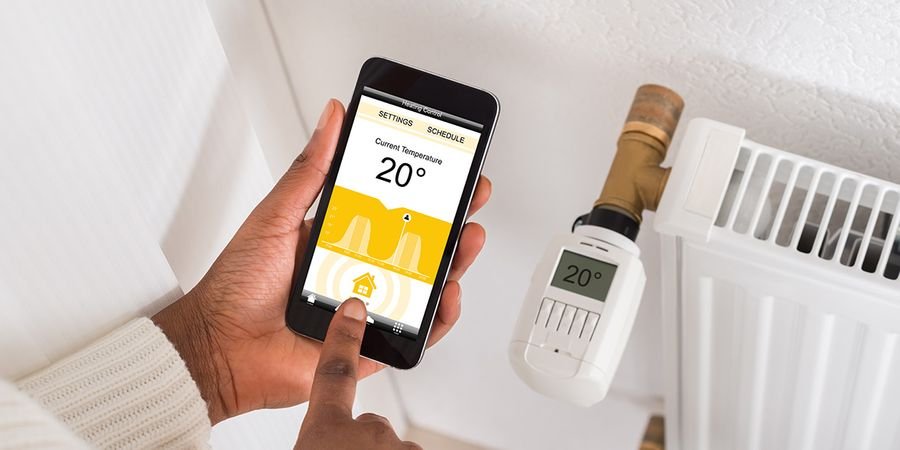
Smart TRVs are one of the best upgrades for overheated upstairs rooms because they allow each room to have its own schedule and temperature target.
Instead of relying on one downstairs thermostat to control the whole house, smart TRVs let you reduce heat in bedrooms while still allowing downstairs rooms to warm up properly.
Smart TRVs can help if:
- Bedrooms are too hot at night
- Spare rooms are being heated every day
- Downstairs rooms need heat but upstairs rooms do not
- Children’s bedrooms need a different schedule from the main bedroom
- You want the home office warm in the day but bedrooms cooler
- You want to reduce wasted heating without changing the boiler
Best use case
Use your main thermostat for the overall heating schedule, then use smart TRVs upstairs to stop bedrooms overheating.
Traditional TRVs vs Smart TRVs
Traditional TRVs are useful, but they rely on you remembering to adjust them manually. Smart TRVs are more useful when bedrooms need different temperatures at different times of day.
Traditional TRVs
- Manual adjustment
- No room schedules
- No app control
- Easy to forget
- Low-cost first step
Smart TRVs
- Room-by-room schedules
- App control
- Different bedroom settings
- Better control of unused rooms
- Useful for reducing wasted heat
Best Smart TRVs for Overheated Upstairs Rooms
If upstairs rooms are too hot because bedroom radiators are heating when they do not need to, smart TRVs are the most relevant upgrade.
The strongest options for this problem are usually tado° Smart Radiator Thermostat X and Drayton Wiser Smart Radiator Thermostat. If you already use Hive, the Hive Radiator Valve can also make sense.
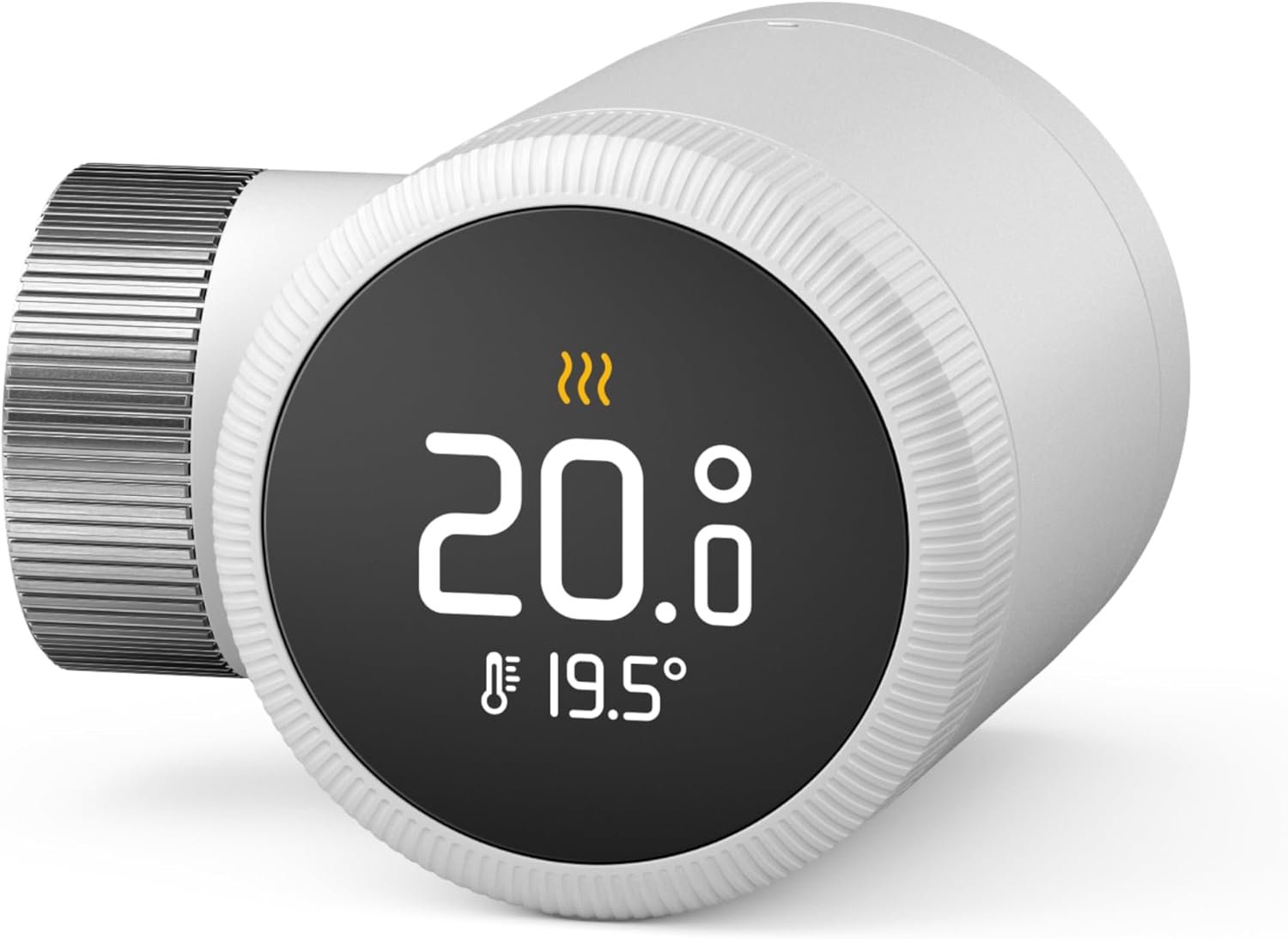
tado° Smart Radiator Thermostat X
Best for: Homes that want strong room-by-room control and the option to build a wider smart heating setup.
The tado° Smart Radiator Thermostat X is a strong choice if upstairs bedrooms regularly overheat because it allows you to set different schedules and temperatures for individual rooms.
This can be useful if you want bedrooms cooler overnight, spare rooms lower during the day, or downstairs rooms warmer without overheating upstairs.
- Excellent room-by-room scheduling
- Strong app control
- Good match with tado° smart thermostats
- Useful for bedrooms, spare rooms and home offices
- Best all-round smart TRV choice for most homes
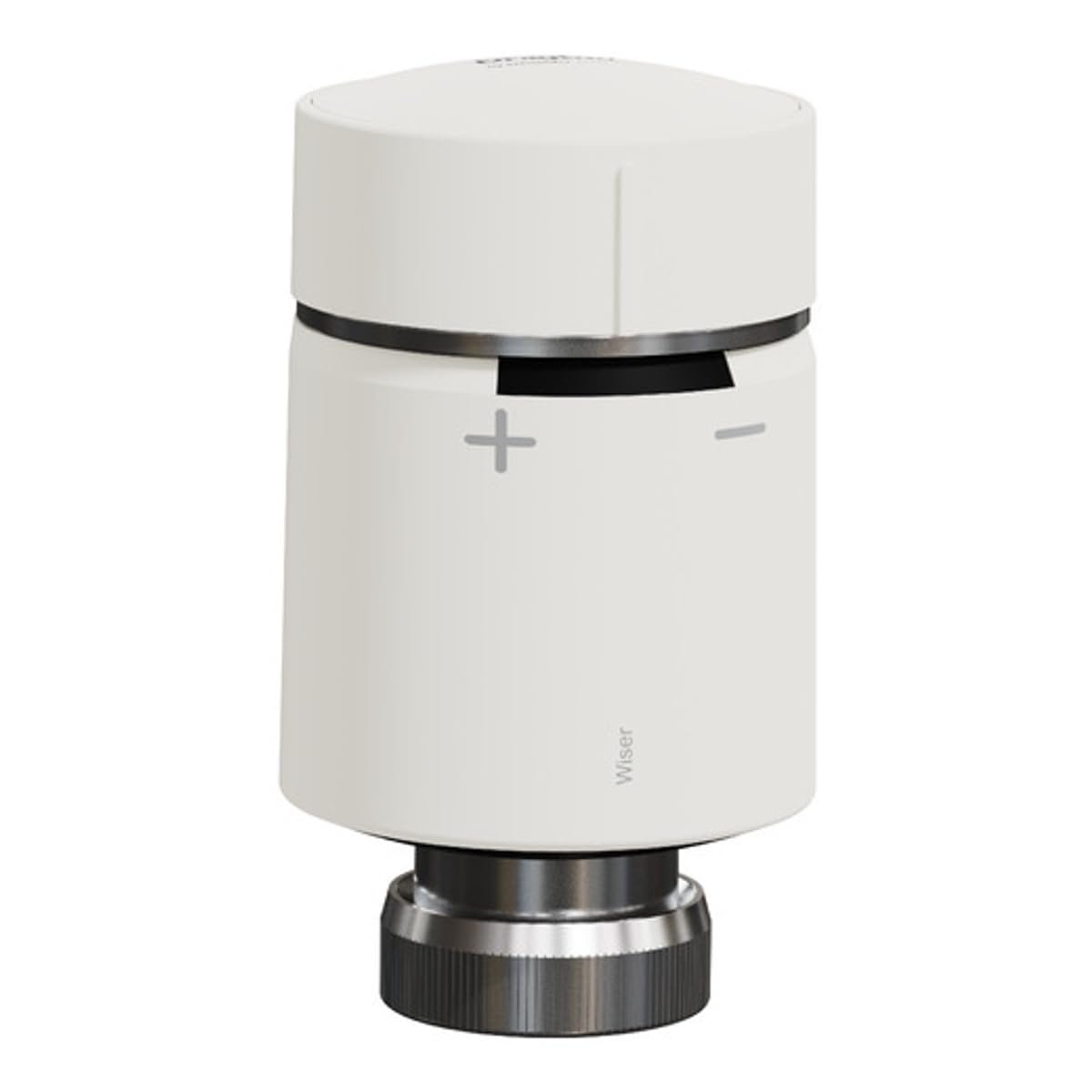
Drayton Wiser Smart Radiator Thermostat
Best for: Homes that want room-by-room control across several bedrooms without paying premium prices.
Drayton Wiser TRVs are a strong value option if you want to control multiple upstairs rooms. This matters because overheating bedrooms often affects more than one radiator.
If you need smart control in several bedrooms, the total cost of each TRV becomes important. Drayton Wiser is a good route into multi-room control without overspending.
- Good value for several rooms
- Useful room-by-room scheduling
- Strong match with Drayton Wiser controls
- Good for family homes and spare bedrooms
- Practical upgrade path over time
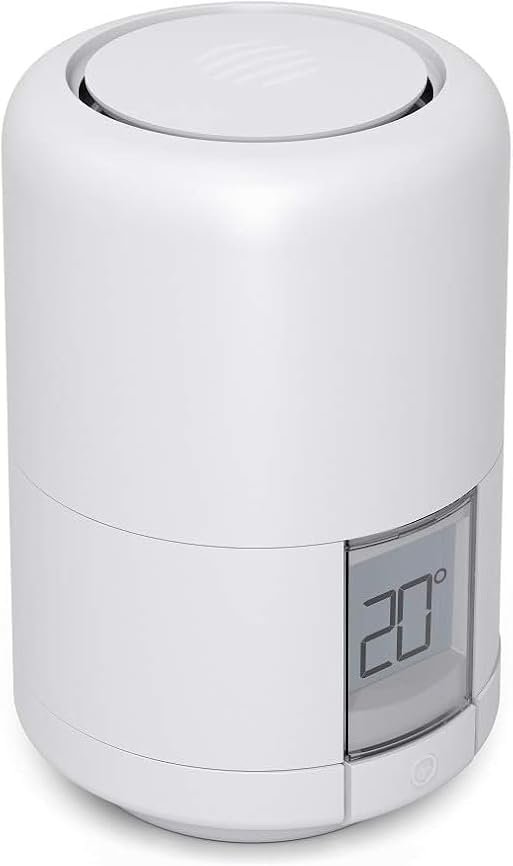
Hive Radiator Valve
Best for: Homes already using Hive Active Heating.
If you already use Hive as your main smart thermostat, Hive Radiator Valves can be a simple way to add more control to upstairs bedrooms without changing ecosystem.
They are not necessarily the strongest first choice if you are starting from scratch, but they make sense if you want to stay within the Hive app.
- Simple upgrade for existing Hive users
- Room-by-room control in the same app
- Useful for bedrooms and spare rooms
- Good choice for convenience and simplicity
What About Smart Thermostats?
A smart thermostat can improve heating schedules and make the heating easier to control, but it may not solve overheated upstairs rooms on its own.
If the main thermostat is downstairs, a smarter thermostat still mainly controls the heating from that central point. It can help reduce total heating time, but it does not give each bedroom its own temperature unless paired with smart TRVs or a zoned system.
Smart thermostat or smart TRVs?
Choose a smart thermostat if your main problem is poor schedules. Choose smart TRVs if your main problem is specific upstairs rooms getting too hot.
What About Heat Pumps?
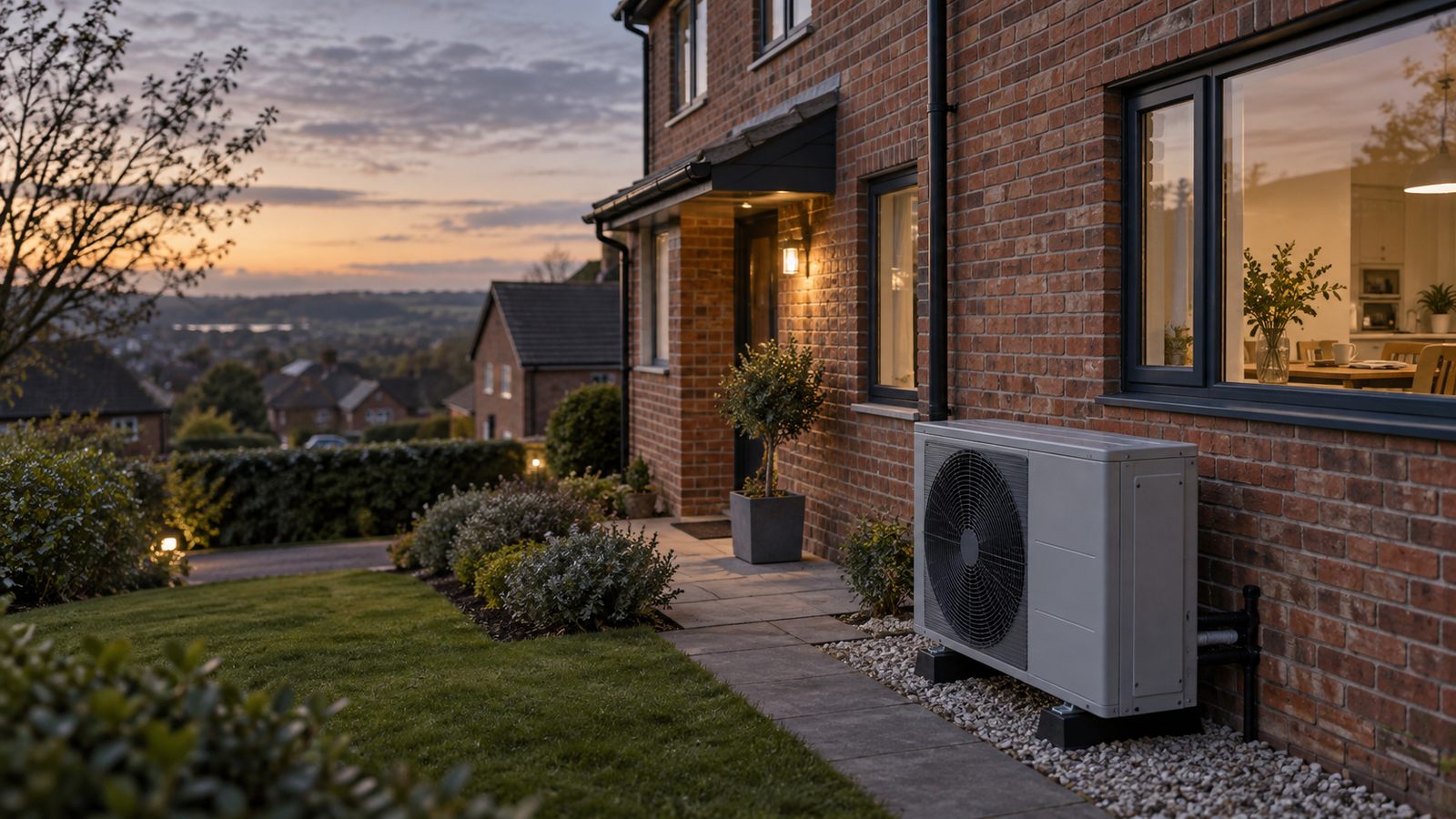
If you have a heat pump, overheated upstairs rooms are usually related to radiator sizing, flow temperatures, balancing or control settings rather than the heat pump itself.
Heat pumps often run for longer periods than gas boilers, so room-by-room control can become more important. However, you should avoid aggressively closing too many radiators because heat pumps usually need good water flow to work efficiently.
Important: In a heat pump home, use smart TRVs carefully. They can help fine-tune bedrooms, but they should not be used to shut down large parts of the heating system without installer advice.
How To Cool Down Overheated Bedrooms
Start with simple checks before buying new controls.
- Reduce TRV settings in bedrooms
- Check whether upstairs radiators heat much faster than downstairs radiators
- Balance the heating system if rooms heat unevenly
- Keep bedroom doors closed when appropriate
- Review thermostat placement and schedule
- Use lower bedroom temperatures overnight
- Install smart TRVs if manual TRVs are hard to manage
- Use smart schedules instead of heating every room the same way
- Check loft insulation and ventilation if rooms retain too much heat
- Avoid unnecessarily high main thermostat settings
Many homes can solve upstairs overheating problems without replacing the boiler or changing the full heating system.
Our Verdict
Upstairs rooms becoming warmer than downstairs is normal to some extent, but excessively hot bedrooms usually indicate a control, balancing or radiator setting issue rather than a major heating system fault.
For many UK homes, improving room-by-room control is the quickest and most practical fix. Manual TRVs may be enough if you are happy to adjust them regularly. Smart TRVs are better if you want bedroom schedules, app control and more consistent room-by-room comfort.
Best upgrade for most homes
If upstairs rooms regularly overheat, smart TRVs are often the most effective upgrade because they target the rooms causing the problem.
Frequently asked questions
Why are my upstairs bedrooms hotter than downstairs?
Upstairs rooms are often warmer because heat rises, but excessive overheating is usually caused by thermostat location, radiator settings, poor balancing or lack of room-by-room control.
Can smart TRVs stop bedrooms overheating?
Smart TRVs can help by giving bedrooms their own temperature targets and schedules. They are especially useful when upstairs rooms need less heat than downstairs rooms.
Should bedroom TRVs be set lower than downstairs rooms?
In many homes, yes. Bedrooms are often comfortable at lower temperatures than living rooms, especially overnight.
Will a smart thermostat fix overheated upstairs rooms?
A smart thermostat can improve schedules, but it may not fix specific overheated rooms unless it is paired with smart TRVs or zoning controls.
Do overheated upstairs rooms mean my boiler is faulty?
Usually not. Overheated upstairs rooms are more often caused by heat rising, radiator settings, thermostat location or system balancing rather than a boiler fault.
Are smart TRVs worth it upstairs?
They can be worth it if bedrooms are frequently too hot, spare rooms are heated unnecessarily or upstairs rooms need different schedules from downstairs rooms.
Related guides
 Are Smart TRVs Worth It?
 Smart Thermostat vs Smart TRV
 Are Smart Thermostats Worth It?
 Do Smart Thermostats Save Money?
 Why Is One Room Colder Than The Rest Of The House?
 Why Are My Energy Bills So High?
 Is It Cheaper To Leave The Heating On All Day?
 Heat Pump Not Heating Properly?
Best Heat Pump Temperature Settings
Heat Pump Not Heating Properly?
Best Heat Pump Temperature Settings