
LPG Boiler to Heat Pump UK (2026 Guide)
Thinking about replacing an LPG boiler with an air source heat pump? This guide explains installation costs, running costs, grants, radiator upgrades, controls and whether switching makes sense for off-grid UK homes.
- Updated for 2026
- Includes £9,000 LPG grant update
- Independent UK homeowner advice

Quick Answer: Is It Worth Replacing an LPG Boiler With a Heat Pump?
For many off-grid UK homes, replacing an LPG boiler with a heat pump can make sense. LPG is often one of the more expensive heating fuels, so the financial case for switching can be stronger than it is for homes replacing mains gas.
A heat pump is more likely to work well if the home is reasonably insulated, has suitable radiators or underfloor heating, and can be heated steadily at lower flow temperatures.
From 21 July 2026 to 31 March 2027, eligible off-gas-grid homes in England and Wales that currently use LPG heating can qualify for a higher £9,000 Boiler Upgrade Scheme grant towards an air source or ground source heat pump.
Key point for LPG homes
Because LPG is already relatively expensive, the combination of higher heat pump efficiency and the temporary £9,000 grant can make LPG-to-heat-pump conversions one of the stronger off-grid use cases.
Read Heat Pump Grant Guide →Compare Up to 3 Heat Pump Installers Near You
Tell us a little about your property to see installer options available in your area.
Free to use with no obligation
New £9,000 Grant for LPG-Heated Homes
If your home currently runs on LPG, the upfront cost of switching to a heat pump may be lower than before.
The standard Boiler Upgrade Scheme grant for many eligible air-to-water heat pump installations is £7,500. However, from 21 July 2026 to 31 March 2027, eligible off-gas-grid properties replacing LPG can get a higher £9,000 grant.
This uplift is aimed at homes and small businesses that are not connected to the gas grid and currently rely on LPG or heating oil.
Standard heat pump grant
Many eligible homes in England and Wales can get £7,500 towards an air-to-water air source heat pump or ground source heat pump.
LPG/oil uplift
Eligible off-gas-grid homes replacing LPG or oil can get £9,000 during the temporary uplift period.
For a full breakdown of the current rules, see our Heat Pump Grants UK guide.
Can You Replace an LPG Boiler With a Heat Pump?
Yes — many rural and off-grid UK homes can replace an LPG boiler with an air source heat pump. The main issue is not whether it is possible, but whether the home and heating system are suitable.
Homes switching from LPG are often looking for:
- Lower long-term running costs
- More stable energy bills
- Reduced LPG deliveries
- Lower carbon emissions
- Government grant support
- A heating system that is less dependent on delivered fuel
LPG homes can be strong heat pump candidates
Because LPG is usually more expensive than mains gas, a well-designed heat pump can often compete more favourably on running costs than it would in a typical gas-heated home.
How Much Does It Cost to Replace an LPG Boiler With a Heat Pump?
Most UK homeowners replacing an LPG boiler with a heat pump may pay around £10,000 to £18,000 before grants, although the final cost depends heavily on property size, heat loss, radiator suitability, hot water requirements and installation complexity.
After the standard £7,500 Boiler Upgrade Scheme grant, many installations may fall to around £2,500 to £10,500. If the home qualifies for the temporary £9,000 LPG/oil uplift, the remaining cost could be lower again.
| Property Type | Typical Installed Cost | After £7,500 Grant | After £9,000 LPG Grant |
|---|---|---|---|
| 2–3 bed rural home | £10,000–£13,000 | £2,500–£5,500 | £1,000–£4,000 |
| 4-bed detached home | £13,000–£18,000 | £5,500–£10,500 | £4,000–£9,000 |
| Large older property | £16,000+ | £8,500+ | £7,000+ |
These are broad examples only. Your real quote may include radiator upgrades, hot water cylinder changes, electrical work, controls or insulation improvements.
Compare Up to 3 Heat Pump Installers Near You
Tell us a little about your property to see installer options available in your area.
Free to use with no obligation
Why LPG Homes Often Suit Heat Pumps Well
Many off-grid homes already have characteristics that make heat pumps worth considering, especially where LPG bills are high or fuel deliveries are inconvenient.
- Larger plots with space for an outdoor unit
- Higher existing heating costs compared with mains gas
- Detached or semi-rural properties
- Homeowners planning long-term upgrades
- Existing wet central heating systems
Some rural properties are also improving insulation, adding solar panels or reviewing electricity tariffs, which can strengthen the case for a heat pump.
Important: The quality of the installation matters far more than simply choosing an expensive heat pump brand. Heat loss calculations, radiator sizing, controls and commissioning all affect real-world performance.
Will You Need New Radiators?
Possibly — but not always.
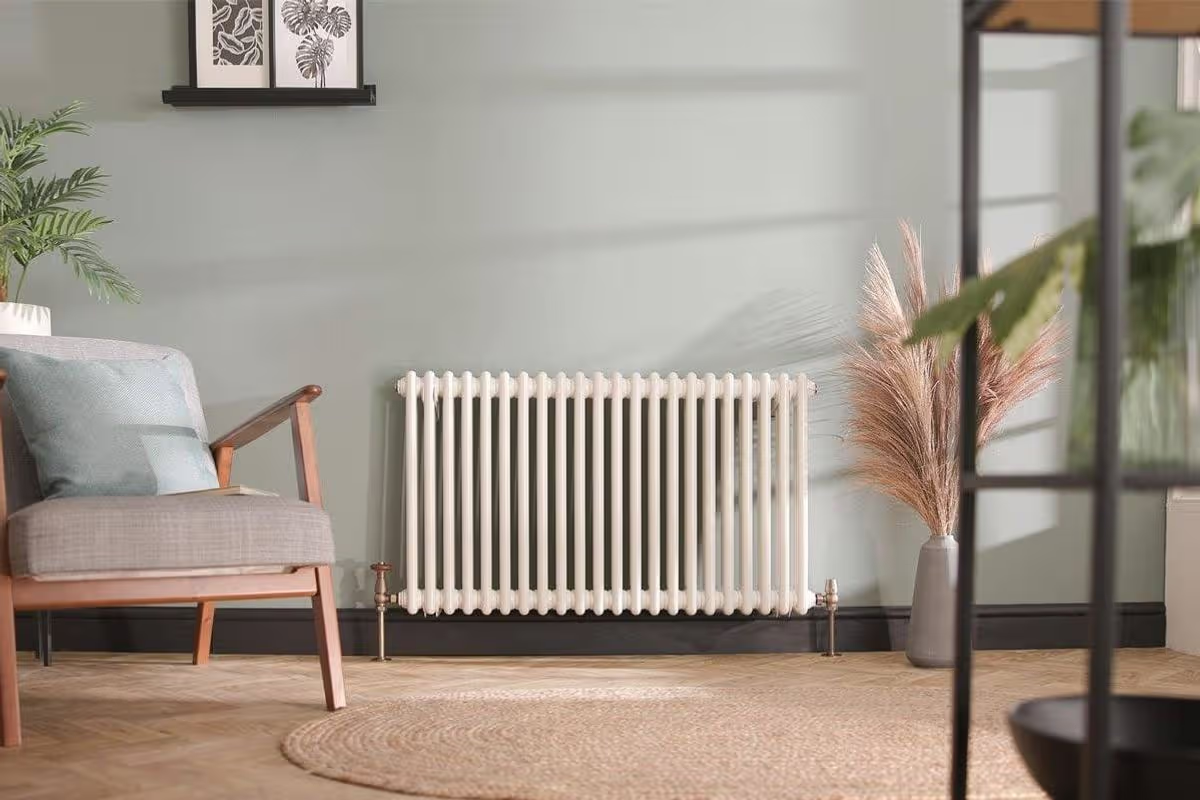
Heat pumps usually operate at lower flow temperatures than LPG boilers, so some existing radiators may not produce enough heat during colder weather unless they are upgraded or the home’s heat loss is reduced.
Many installations only require:
- A few larger radiators
- Better system balancing
- Lower flow temperature design
- Improved zoning controls
- Better insulation or draught reduction
Read our detailed guide: Do You Need New Radiators for a Heat Pump?
Controls, Thermostats and Zoning
Controls matter when replacing an LPG boiler because heat pumps usually work best with steadier operation rather than short bursts of high-temperature heating.
A suitable thermostat can help with scheduling, comfort and avoiding unnecessary boosts. If your installer only includes basic controls, compare the best smart thermostats for heat pumps before deciding what to add.
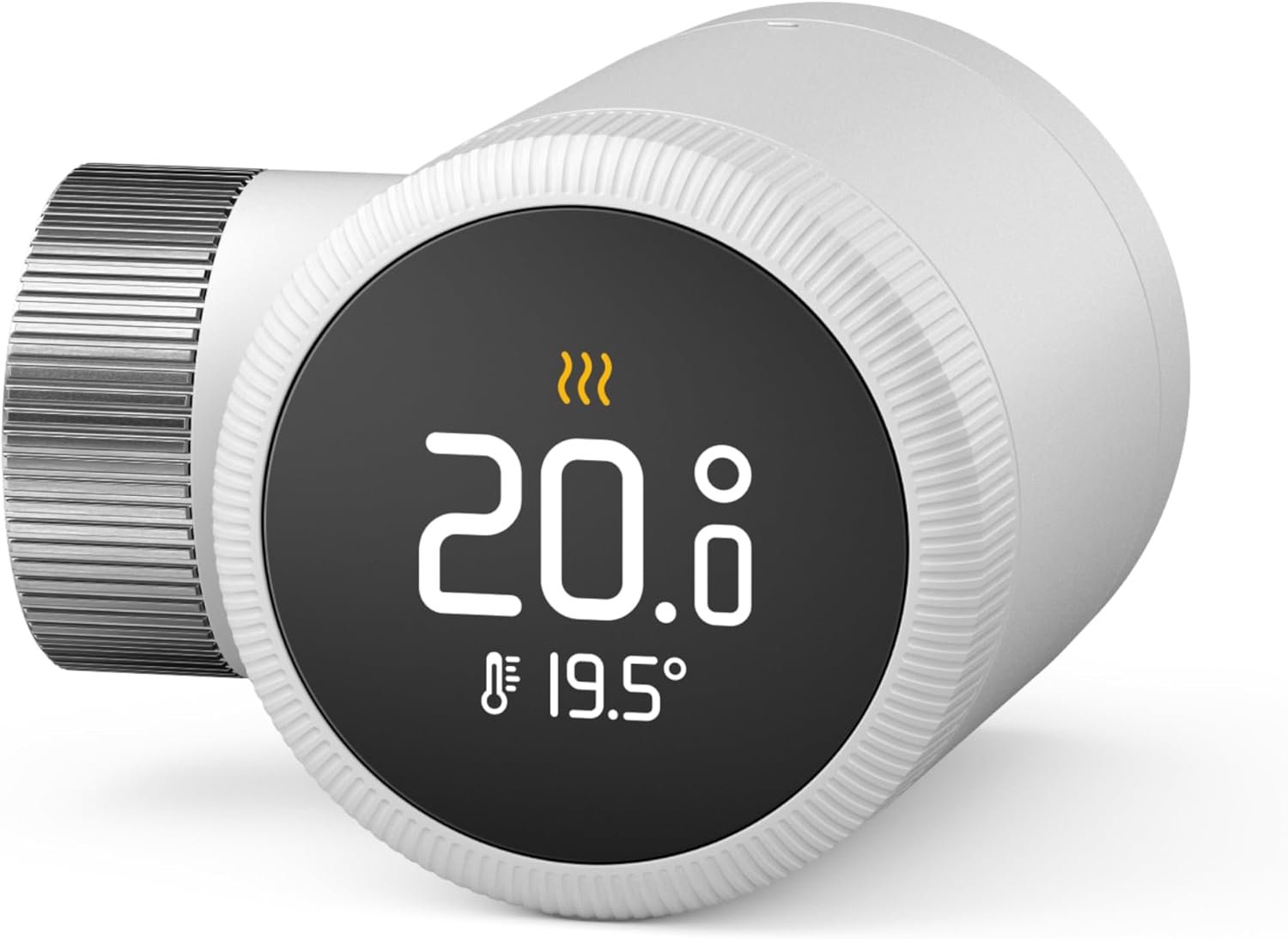
Many LPG-heated homes are larger rural properties, so room-by-room control can also matter. Smart TRVs for heat pumps can help manage rooms that overheat, guest rooms, home offices or areas that are not used all day.
For homes where you want to monitor usage after installation, energy monitors, smart plugs and room sensors can also help. See our guide to useful heat pump accessories.
Can a Heat Pump Work in Older Rural Properties?
Yes — but older rural homes need more careful assessment.
Stone cottages, older detached homes and barn conversions can work with heat pumps, but insulation and heat loss become much more important. A heat pump can only perform well if the building and emitters are suitable for lower-temperature heating.
Common upgrade areas include:
- Loft insulation
- Draught reduction
- Larger radiators
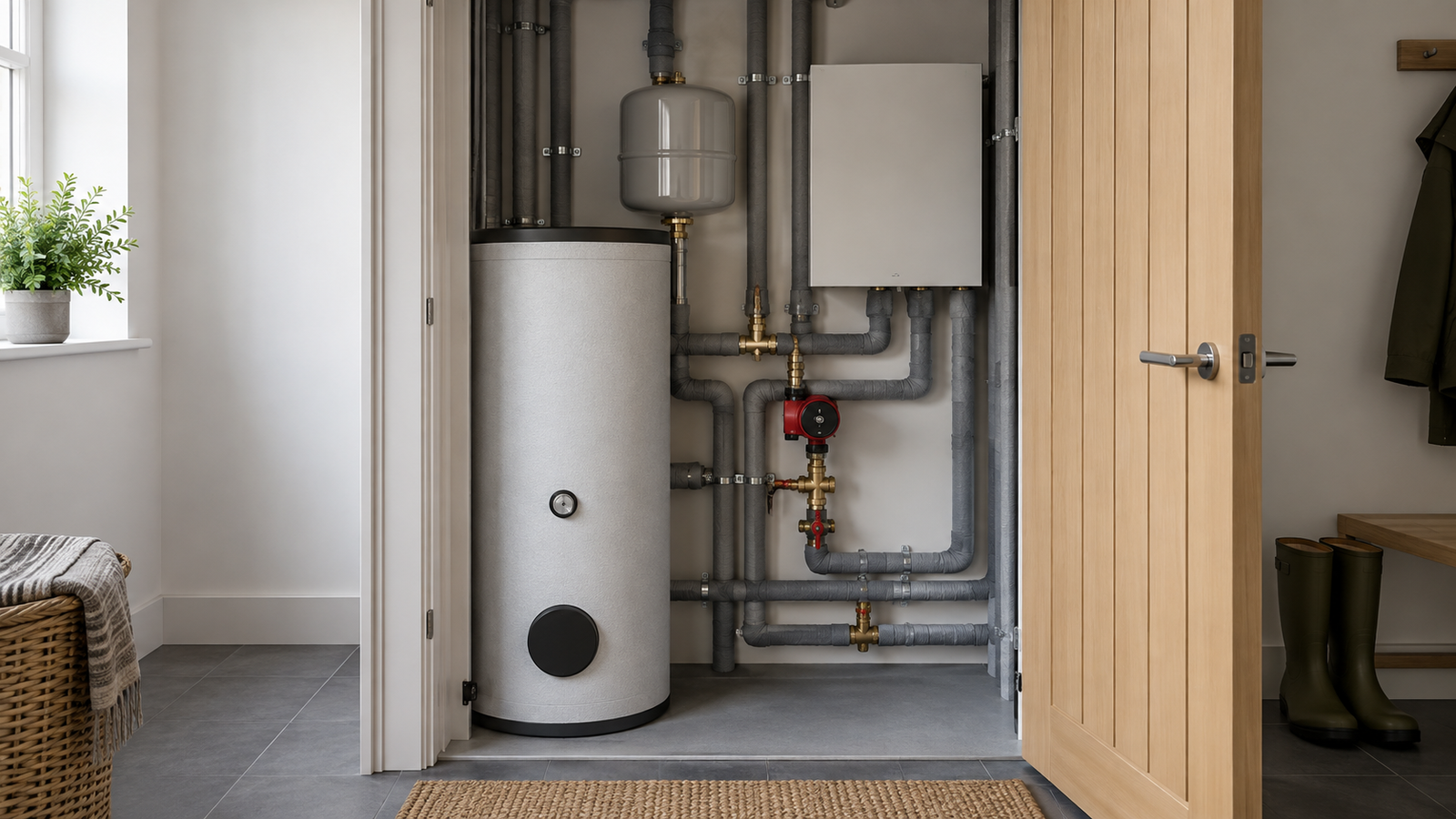
- Hot water cylinder sizing
- Weather compensation setup
- Smarter controls and zoning
Very poorly insulated homes may still struggle without wider heating upgrades. If you are unsure, compare installation cost alongside expected heat pump running costs.
Running Costs: LPG vs Heat Pump
Running cost is one of the main reasons many homeowners consider switching from LPG to a heat pump.
LPG is usually significantly more expensive than mains gas, which means a well-installed heat pump can sometimes compete more favourably on running costs.
| Heating System | Typical Running Cost Position | Notes |
|---|---|---|
| LPG boiler | High | Fuel prices can fluctuate and deliveries are required |
| Air source heat pump | Medium to low | Depends heavily on efficiency, flow temperature and tariff |
| Direct electric heating | Very high | Usually much more expensive because it is not heat-pump efficient |
See our full guide to Heat Pump Running Costs UK.
Do Heat Pumps Work in Winter?
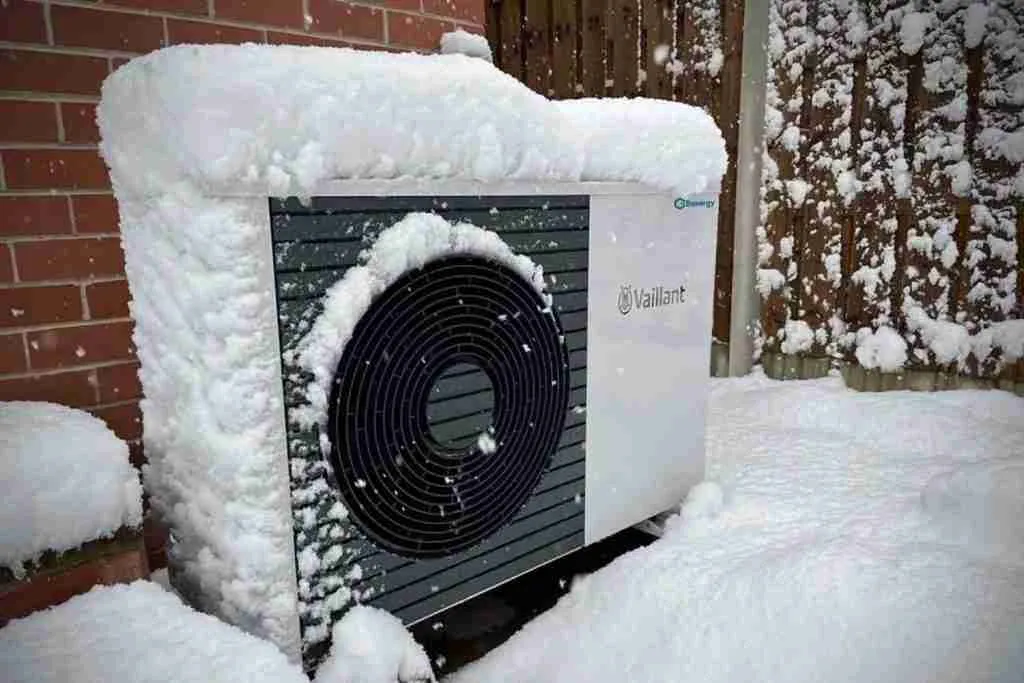
Yes — modern air source heat pumps are designed to operate throughout UK winters, including freezing temperatures.
This is particularly important for exposed rural locations where winter reliability matters most. The key is choosing the right size system, designing for the correct flow temperature and making sure radiators or underfloor heating can deliver enough heat.
Many modern systems continue operating in cold weather when properly designed, although running costs can still rise during winter because the home needs more heat.
Best Heat Pumps for Replacing an LPG Boiler
Some of the strongest options currently available in the UK include:
- Mitsubishi Ecodan — strong cold-weather reputation and wide installer familiarity
- Daikin Altherma — good all-round performance and broad UK availability
- Vaillant aroTHERM Plus — quiet operation and strong efficiency potential
- Viessmann Vitocal — premium option with strong controls and build quality
Installer experience is just as important as the heat pump itself. A well-designed system from a suitable installer will usually matter more than choosing a brand name alone.
Compare all major systems in our Best Air Source Heat Pumps UK guide.
When Does Replacing an LPG Boiler Make Sense?
Usually a Good Fit
- Detached rural homes
- Homes already using expensive LPG
- Properties with reasonable insulation
- Long-term homeowners
- Homes with outdoor space
- Homes eligible for the £9,000 LPG grant uplift
Needs More Planning
- Very poorly insulated homes
- Very large old properties
- Homes expecting very high flow temperatures
- Undersized radiator systems
- Properties with no cylinder space
- Homes needing major electrical or pipework changes
LPG Tank and Practical Considerations
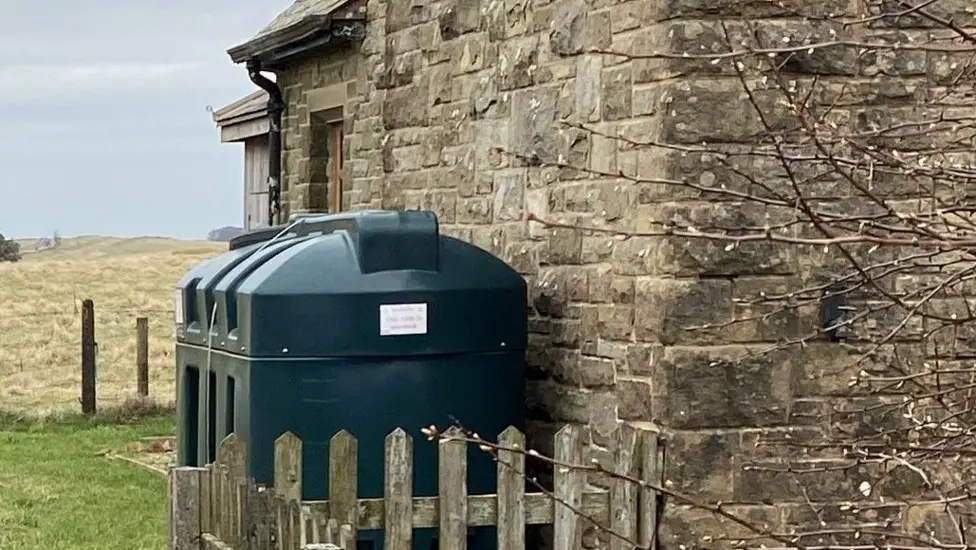
Replacing LPG heating may also involve practical changes around the property. You may no longer need LPG deliveries or an LPG tank once the system is fully replaced, but tank removal or disconnection may not always be included in a standard heat pump quote.
Before accepting a quote, ask whether it includes:
- Decommissioning the existing LPG boiler
- What happens to the LPG tank or supply arrangement
- Hot water cylinder checks or replacement
- Electrical work for the outdoor unit
- Radiator upgrades where needed
- Controls, commissioning and user handover
This is why it is important to compare the full scope of each quote, not just the headline price after grant.
How to Maximise Savings After Switching
Once the system is installed, the biggest savings usually come from how well it is designed, commissioned and used day to day.
- Keep flow temperatures as low as practical while maintaining comfort.
- Use a smart thermostat for steady, sensible control.
- Avoid frequent on/off cycling where possible.
- Use smart TRVs carefully in larger homes where room-by-room control matters.
- Improve insulation and reduce draughts where practical.
- Track electricity use so you can spot inefficient patterns early.
Accessories such as energy monitors, smart plugs and temperature sensors can help you understand how your system is performing. See our Heat Pump Accessories guide.
Important: Replacing an LPG boiler with a heat pump can be one of the stronger off-grid upgrade cases, but only when the system is properly sized, correctly installed and matched to the home’s heat loss, radiators and hot water needs.
Our Verdict
Replacing an LPG boiler with a heat pump is often one of the strongest upgrade cases in the UK heating market.
Because LPG heating costs are already relatively high, many homeowners find heat pumps attractive for long-term running costs, energy independence and reduced reliance on delivered fuel. The temporary £9,000 grant can make the upfront case stronger for eligible homes.
Compare Up to 3 Heat Pump Installers Near You
Tell us a little about your property to see installer options available in your area.
Free to use with no obligation
LPG boiler to heat pump FAQs
Can you replace an LPG boiler with a heat pump?
Yes. Many rural and off-grid UK homes are suitable for air source heat pumps, especially where LPG running costs are already high. The home still needs a proper heat loss assessment and suitable radiators or underfloor heating.
How much is the grant for LPG-heated homes?
From 21 July 2026 to 31 March 2027, eligible off-gas-grid homes in England and Wales that currently use LPG can get a £9,000 Boiler Upgrade Scheme grant towards an air source or ground source heat pump.
Will a heat pump be cheaper to run than LPG?
Often yes, although this depends on electricity tariffs, insulation quality, radiator sizing and overall system efficiency. LPG is usually one of the more expensive heating fuels, which can make the heat pump case stronger.
Do heat pumps work well in rural homes?
Yes. Many rural detached homes are strong candidates for heat pumps because they have space, higher existing fuel costs and long-term ownership patterns. Older or poorly insulated homes need more careful design.
Will I need a hot water cylinder?
Usually yes. Most air-to-water heat pump systems use a hot water cylinder rather than producing instant hot water like some boilers.
Will I need new radiators?
Possibly. Heat pumps usually operate at lower flow temperatures than LPG boilers, so some homes require larger radiators or other emitter upgrades for best performance.
Related guides
 Heat Pump Grants UK
 Oil Boiler to Heat Pump UK
 Gas Boiler to Heat Pump UK
 Air Source Heat Pump Cost UK
 Heat Pump Running Costs UK
 Best Air Source Heat Pumps UK
 Do You Need New Radiators?
 Do Heat Pumps Work in Winter UK?
 Best Smart Thermostats for Heat Pumps
 Best Smart TRVs for Heat Pumps
 Heat Pump Accessories
Sources and further reading
This guide uses official and independent sources for Boiler Upgrade Scheme grant amounts, LPG/oil grant changes, heat pump costs and system suitability.