
Best Heat Pump Accessories for UK Homes
The best heat pump accessories solve a real problem. Compare zoning controls, smart TRVs, room monitors, energy tracking and vibration fixes, and see when you may not need to buy anything at all.
- Independent research
- UK homes focus
- Affiliate links disclosed

At a glance: accessories worth considering
See full recommendationsThe most useful accessories normally fall into three groups: better heating controls, better monitoring and practical installation improvements. For many homes, the biggest improvement comes from getting the heat pump’s existing controls, weather compensation and zoning right before adding extra smart devices. Accessories cannot compensate for poor heat-pump sizing, undersized radiators, excessive flow temperatures, bad commissioning or high property heat loss.
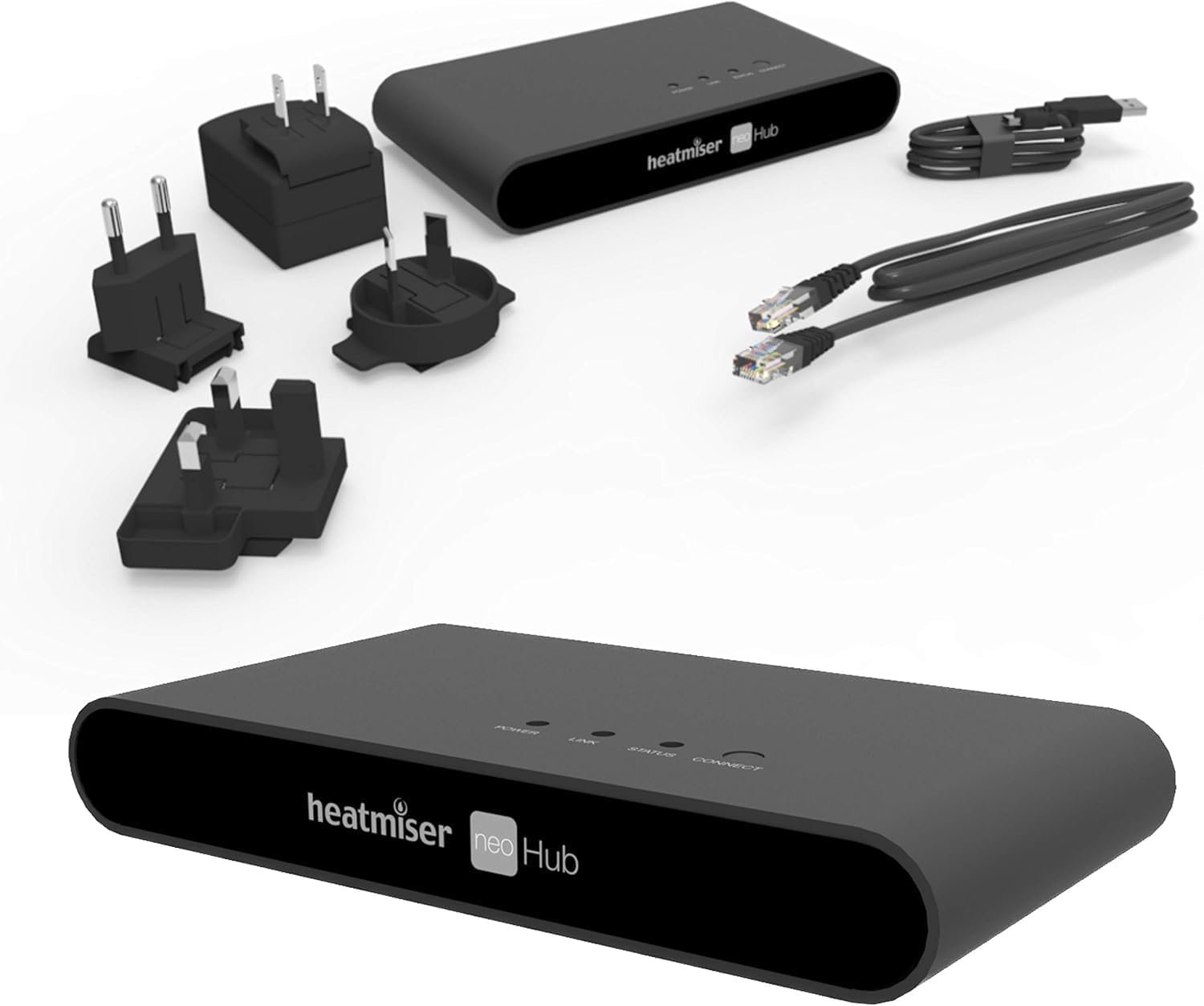
Heatmiser Neo
A heating-control ecosystem for homes with several zones or underfloor heating.
Read our notes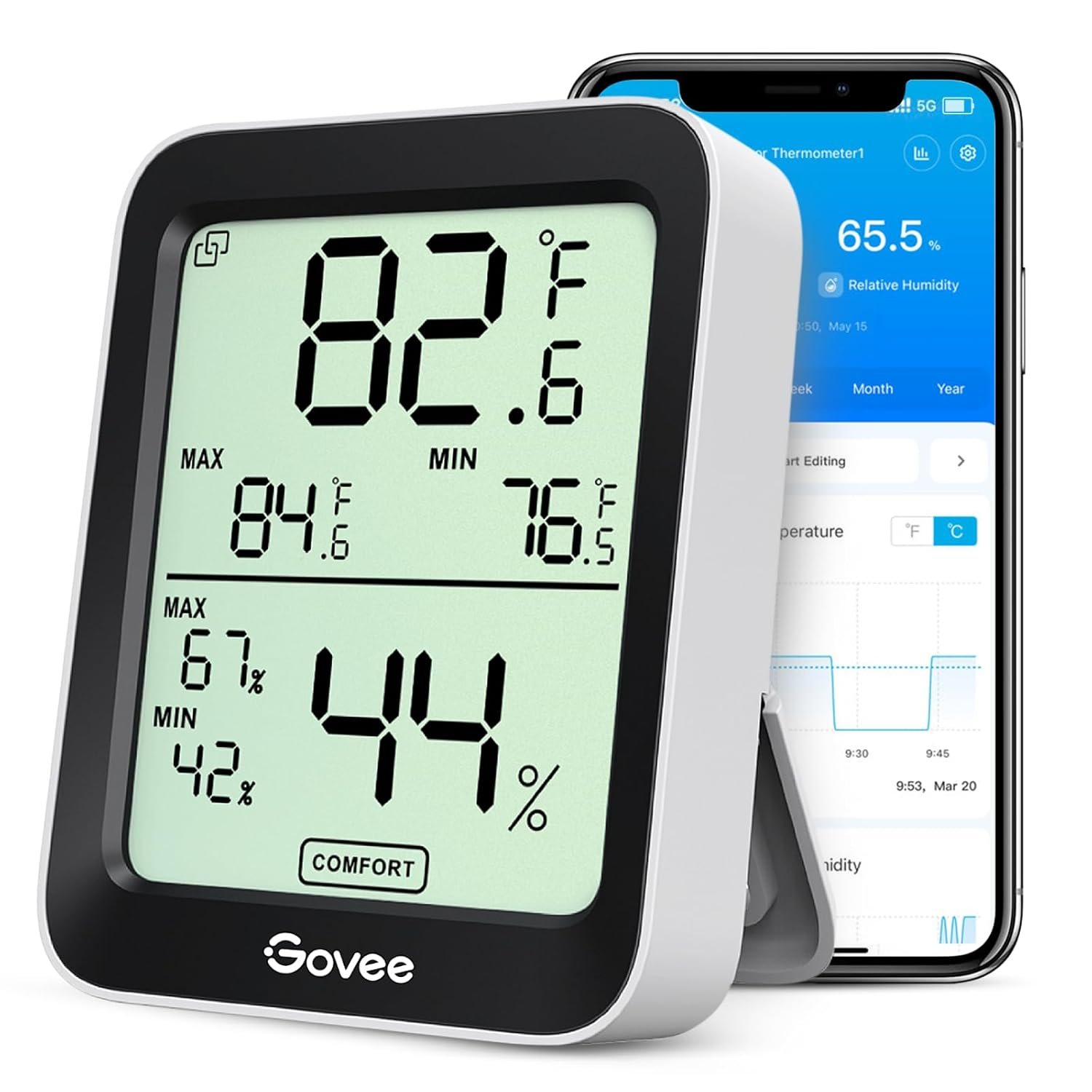
Govee Thermometer Hygrometer
Shows real room temperature and humidity when you are diagnosing comfort complaints.
Read our notes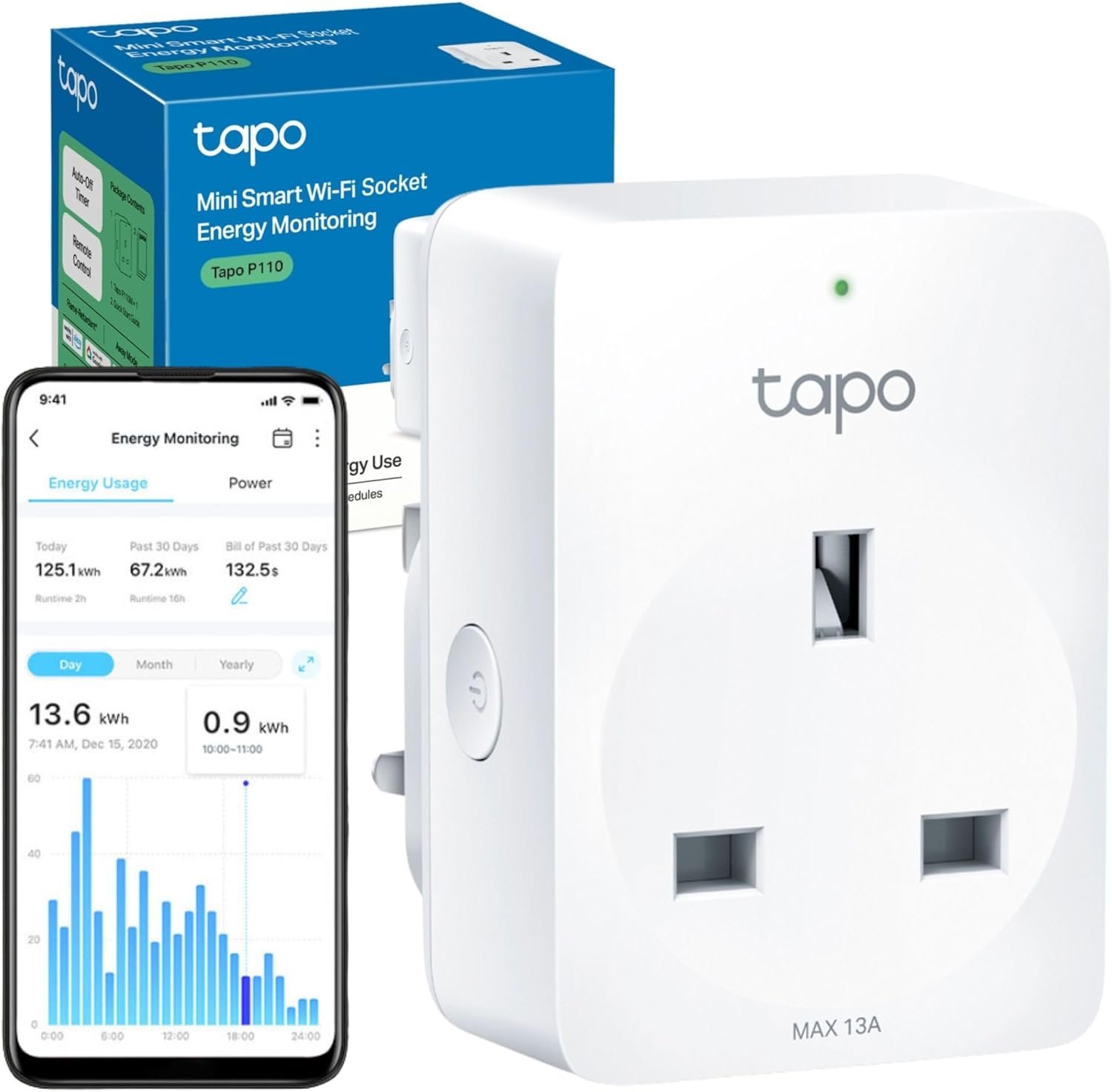
Tapo P110 smart plug
Measures plug-in equipment. It is not a monitor for the main hard-wired heat pump.
Read our notes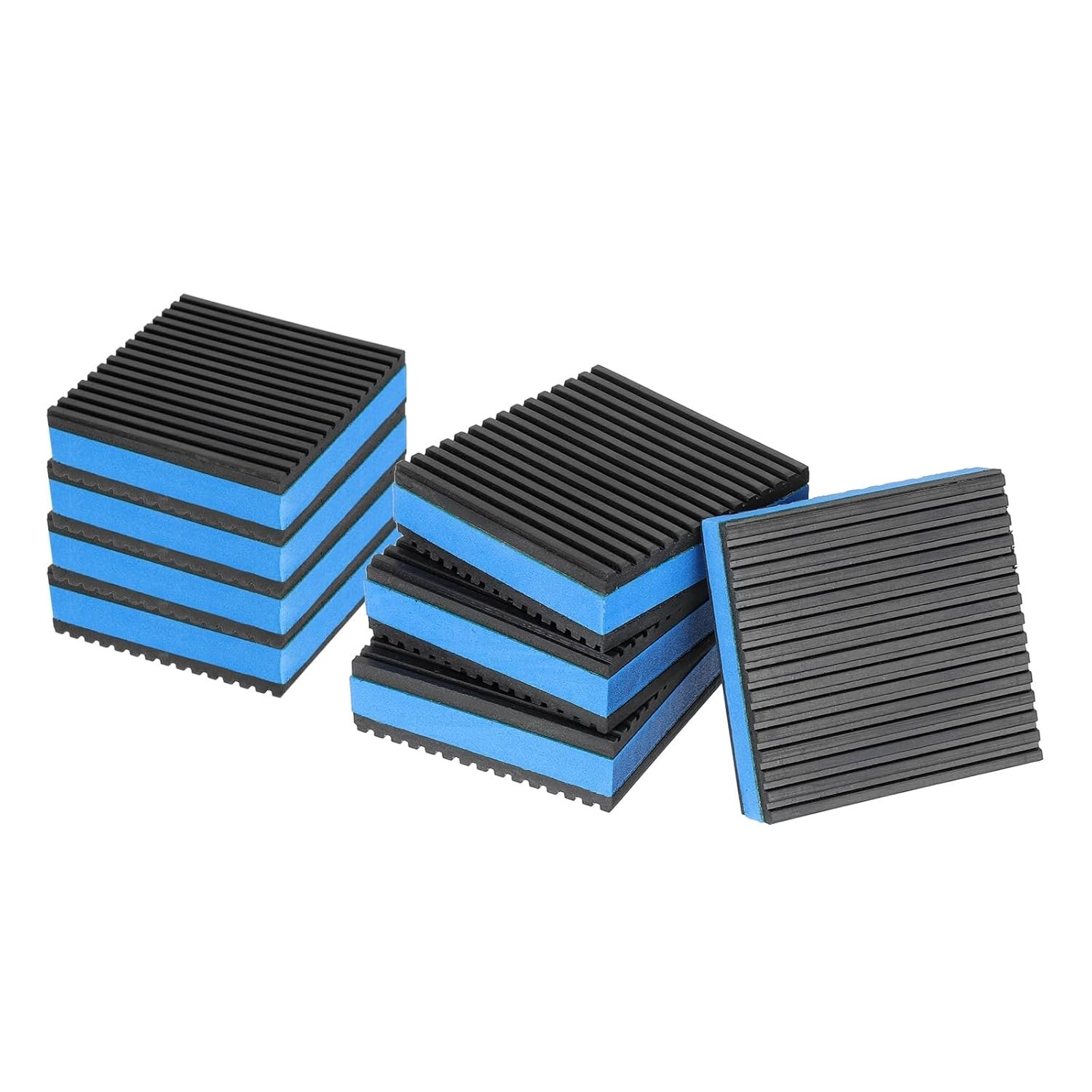
Anti-vibration pads
Can reduce vibration transfer, but only after the installation has been checked.
Read our notesWant room-by-room radiator control? Smart TRVs are covered below, with a full comparison in our Best Smart TRVs for Heat Pumps guide.
Affiliate disclosure: This page contains some Amazon affiliate links. Heat Pump Guide UK may earn a commission if you buy through those links, at no extra cost to you. Affiliate relationships do not determine which products or accessories we recommend.
How we chose these accessories
We start with the problem an accessory is meant to solve, then check whether it can realistically help in a UK heat-pump home. This guide is based on research into manufacturer specifications and support documentation, independent UK guidance such as Energy Saving Trust, and known compatibility limits, rather than laboratory testing. Where an accessory is only useful in specific situations, we say so.
- Practical usefulness for homeowners
- Compatibility with existing heat-pump controls
- Manufacturer specifications and support information
- System considerations such as zoning and steady operation
- Ease of use day to day
- Limitations stated plainly
- Value and suitability, not price alone
Start with the problem, not the product
Different accessories solve different problems, and some problems are better solved without buying anything. Use this table to find a sensible starting point for your home.
| Common problem | Accessory or next action to consider | Why it may help |
|---|---|---|
| Different rooms need different temperatures | Zoning controls or suitable smart TRVs | Lets areas follow different schedules, provided it works with the heat pump’s overall control strategy |
| You want to understand room conditions | Temperature and humidity monitor | Useful diagnostically even though it does not control the heating |
| You do not understand electricity use | Dedicated monitoring, or a suitable smart plug for plug-in equipment | Shows where electricity goes, although a plug monitor normally cannot measure the main hard-wired heat pump |
| Heating costs are higher than expected | Check the heating curve and system settings | Often more valuable than buying another accessory |
| One room is consistently cold | Check heat loss and radiator output | A cold room can be an emitter-sizing problem rather than a controls problem |
| The thermostat is poorly located | Compatible remote sensing or zoning (see smart thermostats) | Senses the rooms you actually use, if the exact control system supports it |
| The outdoor unit vibrates | Have the installation checked first, then consider suitable anti-vibration support | Can reduce vibration transfer without masking a mounting or equipment fault |
Our heat pump accessory recommendations
What each accessory can realistically do in a heat-pump home, who it suits and what to check before buying.
1. Heatmiser Neo
Heatmiser Neo is better thought of as a heating-control ecosystem rather than a simple add-on thermostat. It can be relevant where different areas of a home already operate as separate heating zones, particularly with underfloor heating or more complex installations.
Best suited to: homes with several heating zones, underfloor heating or a planned multi-zone control setup.
Why it can be useful
- Supports multi-zone control strategies
- Can suit underfloor-heating installations
- Useful where different areas need different schedules
- Better suited to planned system control than a quick retrofit fix
What to check first
- Compatibility with the exact heat-pump controls
- How zone valves interact with system flow
- Whether excessive zoning could cause short cycling
- Whether manufacturer controls need to remain the primary controller
2. Smart TRVs
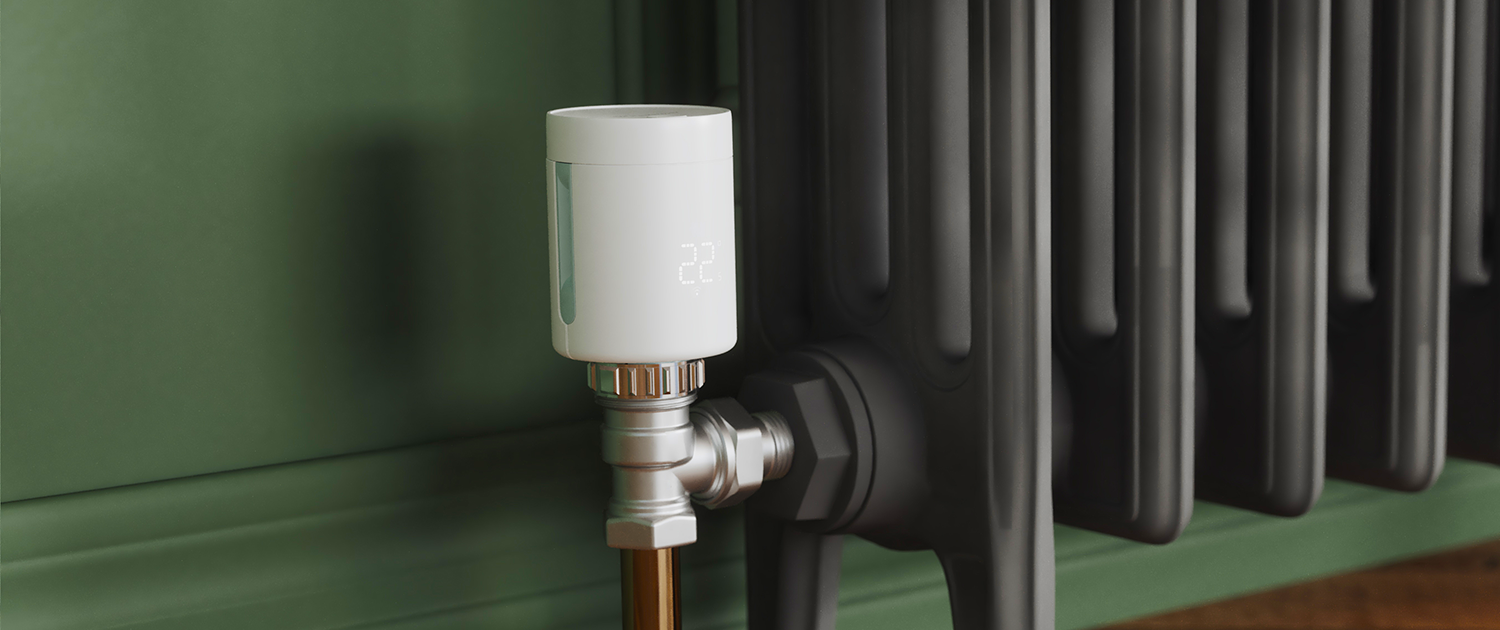
Smart thermostatic radiator valves can help where individual rooms have different occupancy patterns or comfort requirements. Energy Saving Trust explains that TRVs regulate the flow of hot water through individual radiators according to room temperature, while zone controls can allow different areas to operate to different schedules.
For a heat-pump system, however, smart TRVs need to be used more thoughtfully than simply fitting one to every radiator and turning most rooms off.
Can be useful for
- Bedrooms used at different times
- Home offices
- Guest rooms
- Larger homes with varied room use
- Avoiding unnecessary overheating
But they cannot fix
- Undersized radiators
- Incorrect heat-pump sizing
- Poor balancing
- Excessive flow temperatures
- Fundamental hydraulic-design problems
3. Govee Thermometer Hygrometer
A simple temperature and humidity monitor can be surprisingly useful when diagnosing comfort complaints. If one bedroom always feels uncomfortable, actual room data can help you distinguish between a genuine temperature problem, high humidity, ventilation issues or a wider heating-design problem.
Govee’s UK range includes thermometer-hygrometer products designed to monitor indoor temperature and humidity, with app-based monitoring available on relevant models.
Best suited to: understanding temperature and humidity differences around the home.
Why it can help
- Shows actual room temperature and humidity
- Helps separate temperature, humidity and ventilation issues
- App-based monitoring on relevant models
Keep in mind
- It does not tell the heat pump to change its output
- App features depend on the exact model
4. Tapo P110
The UK Tapo P110 includes electricity-consumption monitoring through the Tapo app. That can make it useful for understanding individual plug-in appliances, but there is an important limitation.
Best suited to: monitoring suitable plug-in electrical equipment around the heating system or elsewhere in the home.
Do not plug a hard-wired heat pump into a smart plug
The main outdoor heat-pump unit is normally on a dedicated electrical circuit rather than being powered from an ordinary plug socket. A smart plug is therefore not a whole-system heat-pump electricity monitor. For accurate heat-pump consumption, use the manufacturer’s monitoring, a dedicated electricity meter or another appropriate monitoring solution. Our heat pump energy monitoring guide explains the options.
5. Anti-vibration pads and mounts
Suitable anti-vibration support can sometimes reduce mechanical vibration transfer between an outdoor unit and its base, frame or building structure. But pads should not be used as a universal cure for excessive noise.
Best suited to: installations where vibration is being transmitted from the outdoor unit into its support structure.
Can help with
- Vibration transfer into a base, frame or wall
- Structural resonance once the cause is understood
Check first
- Ask the installer to inspect mounting, clearances and equipment
- Pads must suit the weight and fixing method
- Follow the manufacturer’s installation requirements
Want to know what your heat pump could cost to run? Monitoring gadgets can show individual electricity use, but a whole-home comparison is more useful. Compare heat pump running costs with our calculator
Before you buy any heat pump accessory
Not every accessory is right for every home. If you are still choosing a complete system, compare air source heat pumps before focusing on add-ons.
- Check compatibility with your existing heat-pump controls
- Make sure it solves a problem you have actually identified
- Consider the wider system design, not just one room
- Protect low flow temperatures and steady operation
- Check installation requirements and who should fit it
- Avoid spending money the controls you have could save
You may not need to buy anything
Before buying extra smart controls, check that the heat pump itself has been set up properly. Suitable controls, correct system design and good commissioning often matter more than any accessory.
Weather compensation is particularly important. It adjusts the heating-system flow temperature as outdoor conditions change, helping the heat pump provide the amount of heat the home needs without unnecessarily high water temperatures. Energy Saving Trust’s installer guidance explains that reducing flow temperature as outdoor temperature rises can allow a heat pump to operate more steadily and efficiently.
Do this before adding smart gadgets
- Check the heating curve
- Check room temperatures and comfort
- Check whether radiators are correctly balanced
- Check whether zones are behaving as intended
- Understand how the manufacturer’s own controls work
If the house is uncomfortable because the basic system design or setup is wrong, adding more smart devices can make diagnosis harder rather than easier.
Read our heat pump settings guideAccessories that matter less, or can make things worse
More control is not automatically better control.
- Too many smart zones
- Frequently shutting down large parts of the heating system can work against the steady operating conditions heat pumps often prefer.
- Unsupported thermostats
- A thermostat may be technically capable of switching heating on and off while still losing useful manufacturer control features.
- Noise accessories before diagnosis
- Do not mask excessive vibration or noise without first identifying its cause.
- Outdoor-unit covers
- Poorly designed covers can restrict airflow or access. An air source heat pump needs unrestricted airflow through the outdoor heat exchanger.
Should you buy a heat pump cover?
Be careful. If you want to reduce the visual impact of an outdoor unit:
- Follow the manufacturer’s clearance requirements
- Maintain unrestricted intake and discharge airflow
- Keep access available for servicing
- Do not obstruct defrost-water drainage
- Ask the installer before fitting any enclosure close to the unit
A decorative screen that compromises airflow is not an efficiency upgrade.
Sensors, buffer tanks and filters: what to know
These come up often, but they are either ecosystem-specific or part of system design rather than accessories to add on impulse.
Room temperature sensors
Remote room sensors can be very useful when the main thermostat is positioned somewhere that does not represent the rooms you actually occupy. However, compatibility is critical: room sensors normally work only within a particular thermostat ecosystem.
Why we no longer recommend the Nest Temperature Sensor on this UK page: Google’s current support information says it is supported in the United States, Canada and Mexico, and that thermostats designed for other countries are not compatible with it.
Check which sensors are officially supported by the exact thermostat and heat-pump control system in your home. See our Best Smart Thermostats for Heat Pumps guide for UK-focused options.
Buffer tanks and volumisers
Sometimes needed, but these are system-design components rather than accessories that homeowners should add themselves.
A buffer vessel or volumiser may be specified to provide adequate system water volume, support defrost operation, provide hydraulic separation or help a system meet the manufacturer’s requirements. That does not mean every heat pump needs one.
The requirement depends on the exact heat pump, hydraulic design, system volume, emitter layout, controls and manufacturer instructions. Adding unnecessary components can increase cost, complexity and heat loss, so the installer should decide during system design.
Magnetic filters and system protection
Water-based heat-pump systems need clean system water and appropriate protection against contamination and corrosion.
Whether a magnetic filter, dirt separator or other treatment is required depends on the system design, manufacturer instructions and the condition of the existing heating circuit. This is especially relevant when a heat pump is connected to older radiators and pipework that may already contain sludge or corrosion debris.
Think of this as installation protection, not a gadget. Cleaning, flushing, water treatment and filtration should form part of the installer’s assessment.
Heat pump accessories FAQs
What are the most useful heat pump accessories?
For many homes, useful upgrades include compatible heating controls, smart TRVs where appropriate, temperature and humidity monitoring, suitable electricity monitoring and anti-vibration support where there is a genuine vibration issue.
Do I need a smart thermostat for a heat pump?
Not necessarily. Many heat pumps already include sophisticated manufacturer controls and weather compensation. Any replacement or additional thermostat should be checked for compatibility with the exact heat-pump system.
Are smart TRVs good for heat pumps?
They can be useful for controlling individual rooms, but the overall heating system still needs adequate water flow and a sensible zoning strategy. They will not fix poor system design or undersized radiators.
Can a smart plug measure heat pump electricity use?
A smart plug can measure suitable plug-in equipment, but the main heat pump is normally connected to a dedicated electrical circuit. Whole-system monitoring usually requires manufacturer data or a suitable dedicated electricity meter.
Do all heat pumps need buffer tanks?
No. Whether a buffer vessel or volumiser is appropriate depends on the equipment, system water volume, hydraulic design, controls and manufacturer requirements.
Should I cover my heat pump outside?
Only if any screen or enclosure maintains all required clearances and unrestricted airflow. Do not box in an outdoor unit purely for appearance without checking the manufacturer’s requirements.
Does the Nest Temperature Sensor work with UK Nest thermostats?
Google’s current support information lists the Nest Temperature Sensor for the United States, Canada and Mexico and states that thermostats designed for other countries are not compatible. We therefore do not recommend it as a general UK accessory.
Related guides
 Best Smart Thermostats for Heat Pumps
Which control features matter for heat-pump operation
Best Smart Thermostats for Heat Pumps
Which control features matter for heat-pump operation
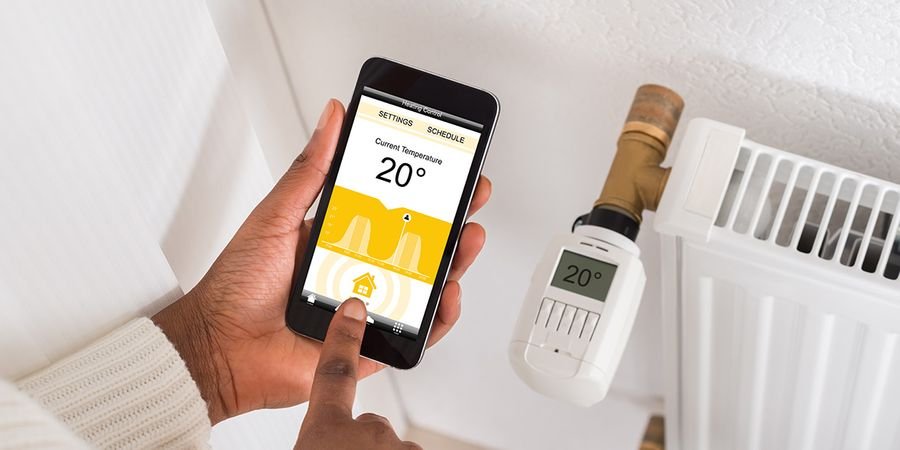 Best Smart TRVs for Heat Pumps
How room-by-room radiator control fits a heat-pump system
Best Smart TRVs for Heat Pumps
How room-by-room radiator control fits a heat-pump system
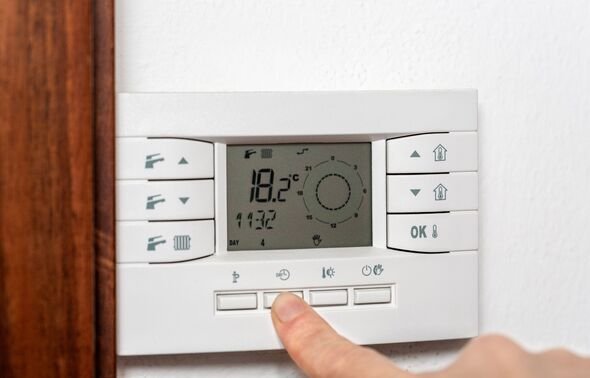 Heat Pump Temperature Settings
Heating curves, flow temperatures and practical adjustments
Heat Pump Temperature Settings
Heating curves, flow temperatures and practical adjustments
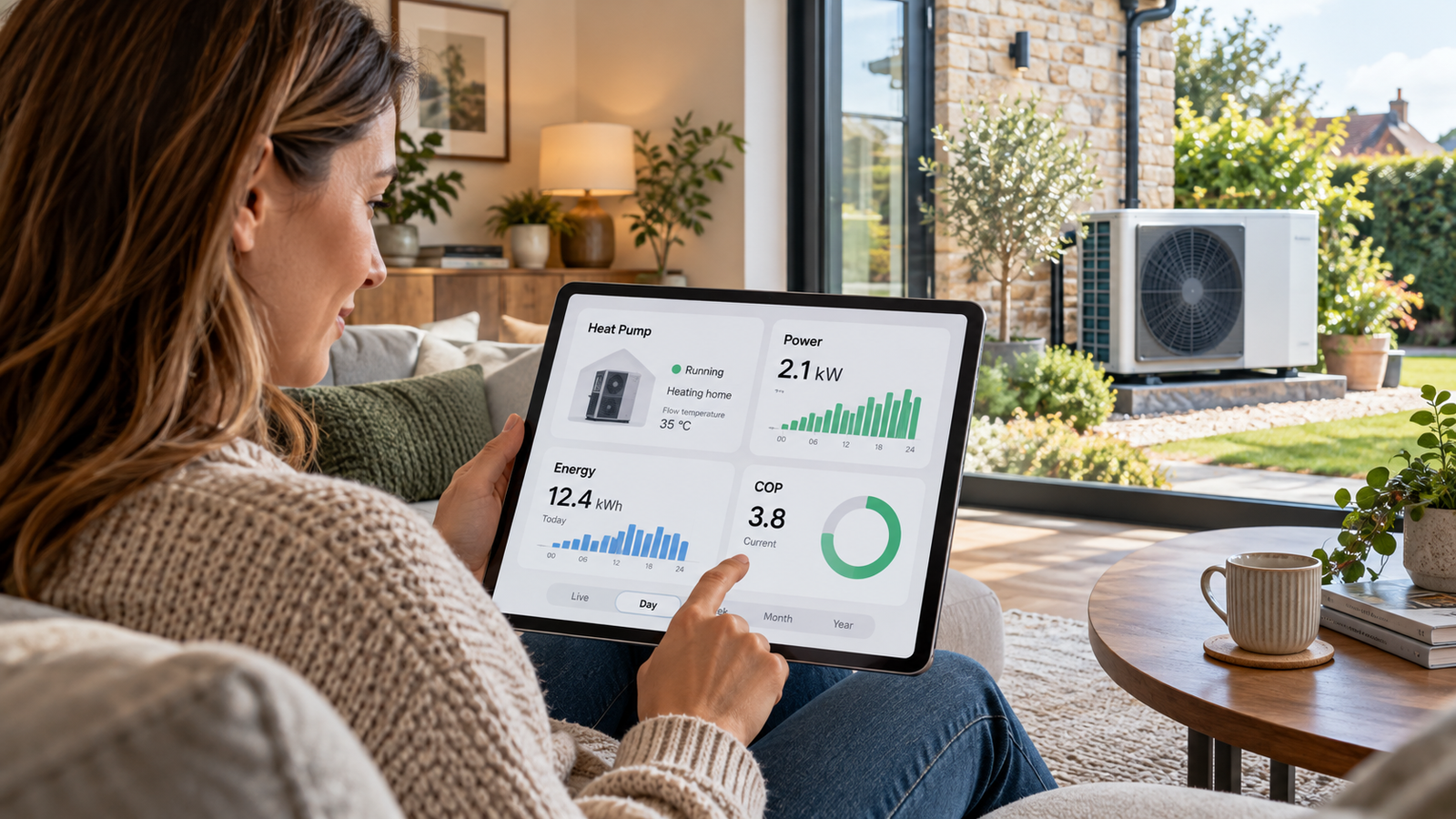 Heat Pump Energy Monitoring
Smart meters, apps and whole-system monitoring options
Heat Pump Energy Monitoring
Smart meters, apps and whole-system monitoring options
 Heat Pump Running Costs UK
How efficiency, tariffs and system design affect bills
Heat Pump Running Costs UK
How efficiency, tariffs and system design affect bills
 Do You Need New Radiators?
Whether a cold room is a controls or an emitter problem
Do You Need New Radiators?
Whether a cold room is a controls or an emitter problem
Sources and verification
This guide uses manufacturer and independent UK guidance on heat-pump controls, heating operation and product compatibility.