
Best Heating Upgrades Before Replacing Your Boiler
Thinking about replacing your boiler? Before spending thousands on a new heating system, there are several upgrades that could improve comfort, reduce wasted heating and help you get more from your existing setup.
- Updated for 2026
- UK homeowner guide
- Affiliate links disclosed

Should You Replace Your Boiler Yet?
Many homeowners assume a new boiler is the quickest way to lower heating bills. In reality, older heating systems often waste energy because of poor controls, outdated thermostats, uneven radiator performance and inefficient system setup rather than the boiler itself.
If your boiler is unreliable, frequently breaking down or expensive to repair, replacement may be sensible. But if it still works reliably, it is worth checking whether smaller upgrades could improve comfort and control first.
The biggest mistake homeowners make
Replacing a boiler without first addressing heating controls, zoning, radiator performance and heat loss can leave significant comfort and efficiency improvements on the table.
Affiliate disclosure: This page contains Amazon affiliate links. If you buy through one of these links, Heat Pump Guide UK may earn a commission at no extra cost to you. Affiliate relationships do not determine our recommendations.
Quick Comparison: Best Heating Upgrades Before Replacing Your Boiler
These upgrades are worth considering before replacing a working boiler, especially if your main problems are high bills, cold rooms, overheated rooms or poor control.
| Upgrade | Best For | Potential Benefit | Best Starting Point |
|---|---|---|---|
| Smart thermostat | Old timers and poor schedules | Better heating control and less wasted heating | tado°, Hive or Drayton Wiser |
| Smart TRVs | Rooms used at different times | Room-by-room heating control | tado° TRVs or Drayton Wiser TRVs |
| Radiator balancing | Uneven heating | More consistent temperatures across the home | Check radiator heat-up times |
| Radiator upgrades | Cold rooms or future heat pump preparation | Improved comfort and lower flow temperature potential | Check rooms that never warm properly |
| Insulation and draught-proofing | Homes that cool down quickly | Reduced heat loss and better comfort | Loft, doors, windows and floors |
| Pipe and cylinder insulation | Hot water heat loss | Lower wasted heat around hot water systems | Hot water cylinder and exposed pipework |
1. Install a Smart Thermostat
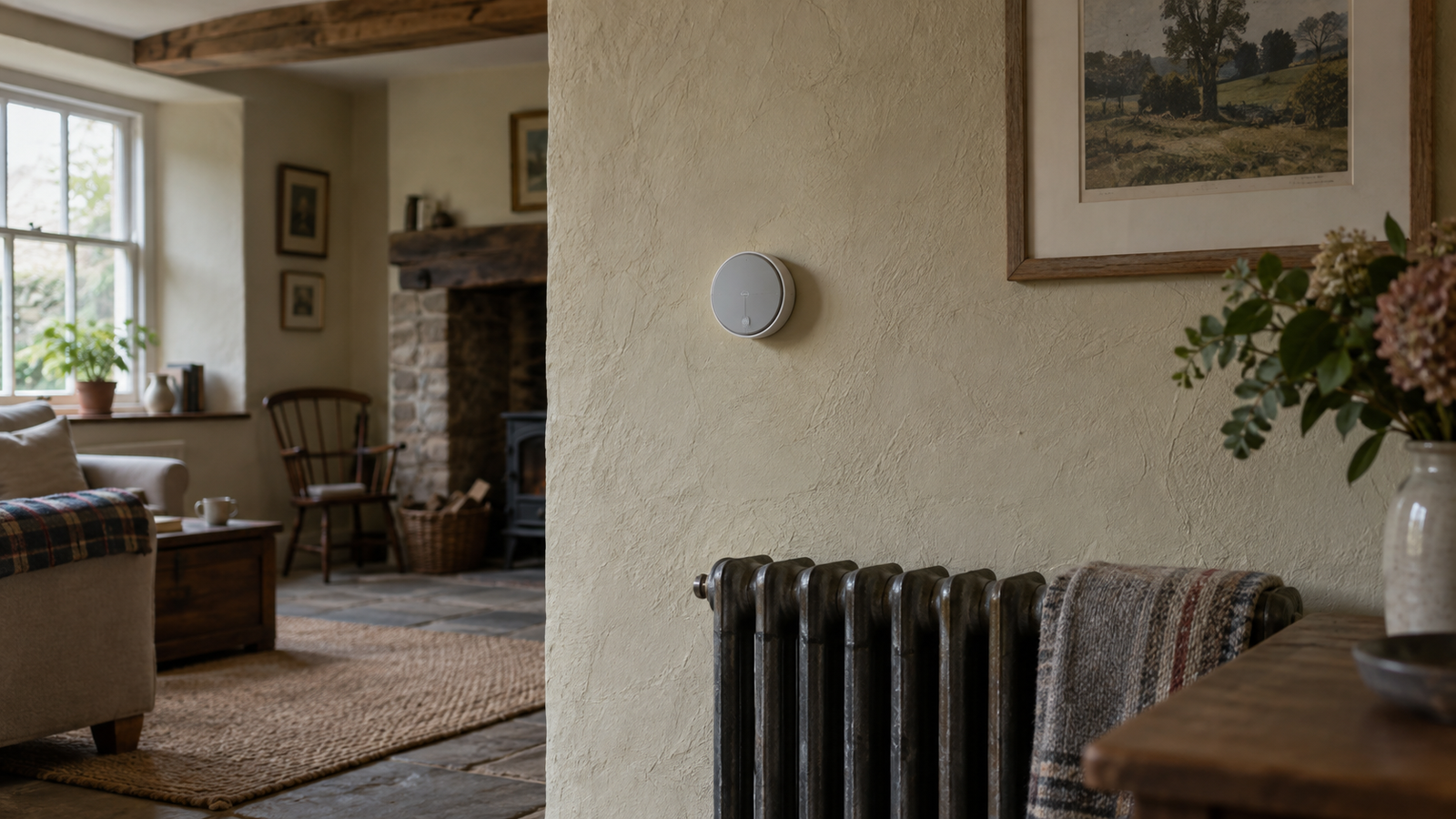
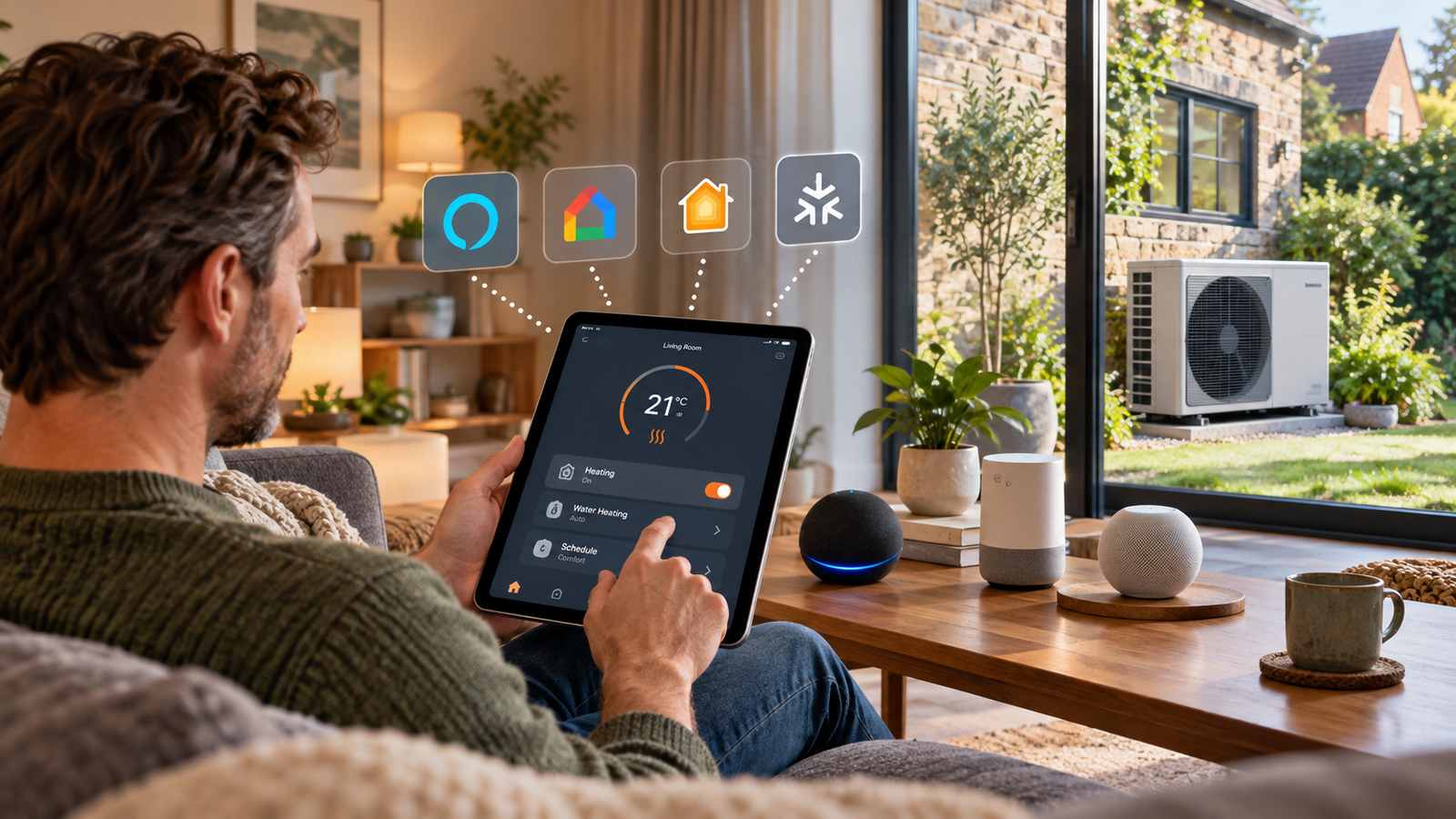
If your heating is controlled by a basic programmer, old wireless thermostat or confusing timer, upgrading to a smart thermostat is often the most useful first step.
A smart thermostat can help you:
- Control heating from your phone
- Create better schedules
- Reduce heating when nobody is home
- Adjust heating more easily when plans change
- Improve convenience without replacing the boiler
- Monitor heating habits more easily
Many homes waste heat simply because the heating schedule is not matched to real life. A smart thermostat does not make the boiler itself more efficient, but it can make it easier to stop heating the home unnecessarily.
Best for
Start with a smart thermostat if your current controls are old, awkward, hard to programme or often left running longer than needed.
Best Smart Thermostats Before Replacing a Boiler
These smart thermostats are the most relevant options if your boiler still works but your heating controls are outdated.
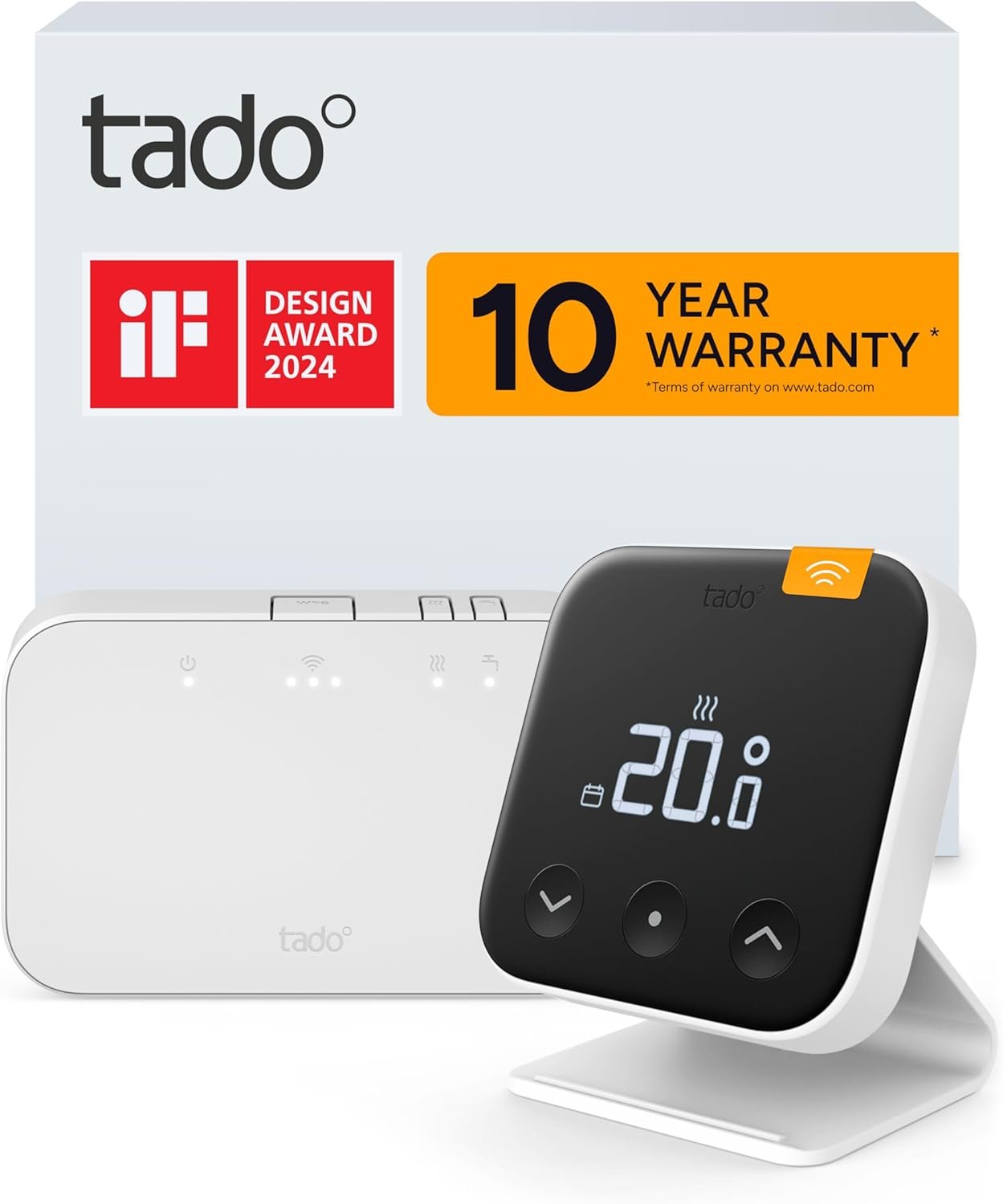
tado° Smart Thermostat X
Best for: Homes that want better scheduling, app control and the option to add smart radiator valves later.
tado° is a strong first upgrade before replacing a boiler because it focuses on better heating control rather than changing the heat source. It is especially useful if your heating currently runs too long, comes on when nobody is home or heats rooms that do not need it.
The main advantage is its upgrade path. You can start with the smart thermostat and later add smart TRVs to individual rooms if you want more control.
- Excellent app control and scheduling
- Good energy-saving features
- Strong smart TRV support
- Useful for homes with changing routines
- Good route into room-by-room control
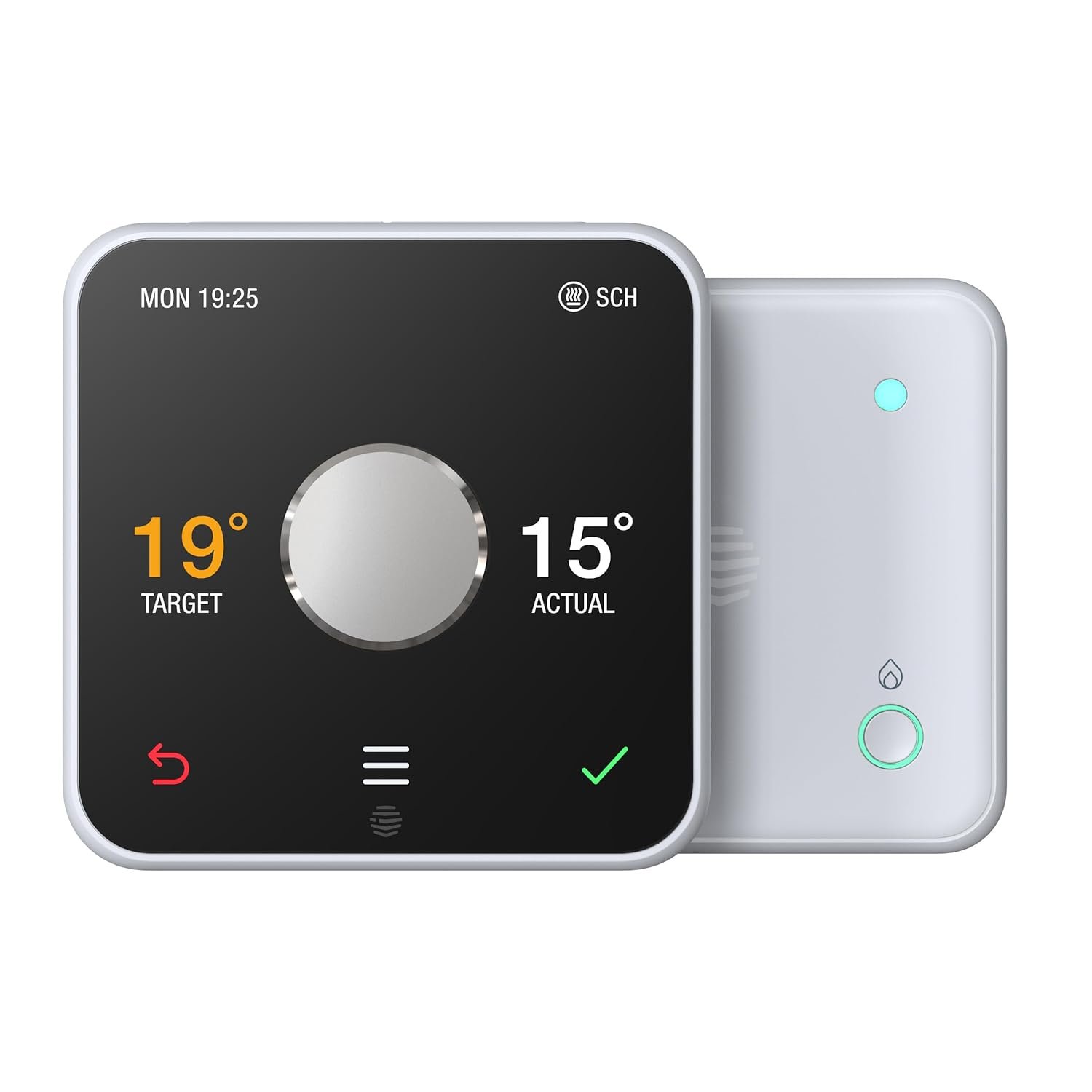
Hive Active Heating
Best for: Homeowners who want a simple smart thermostat without too much complexity.
Hive is a good choice if your main problem is an old timer or awkward thermostat. It gives you easy app control and simple scheduling without forcing you into a more advanced system.
If you are not ready to replace your boiler but want heating to be easier to manage, Hive can be a practical upgrade.
- Very easy to use
- Simple app control
- Good upgrade from old timers
- Familiar UK brand
- Good for straightforward gas boiler homes
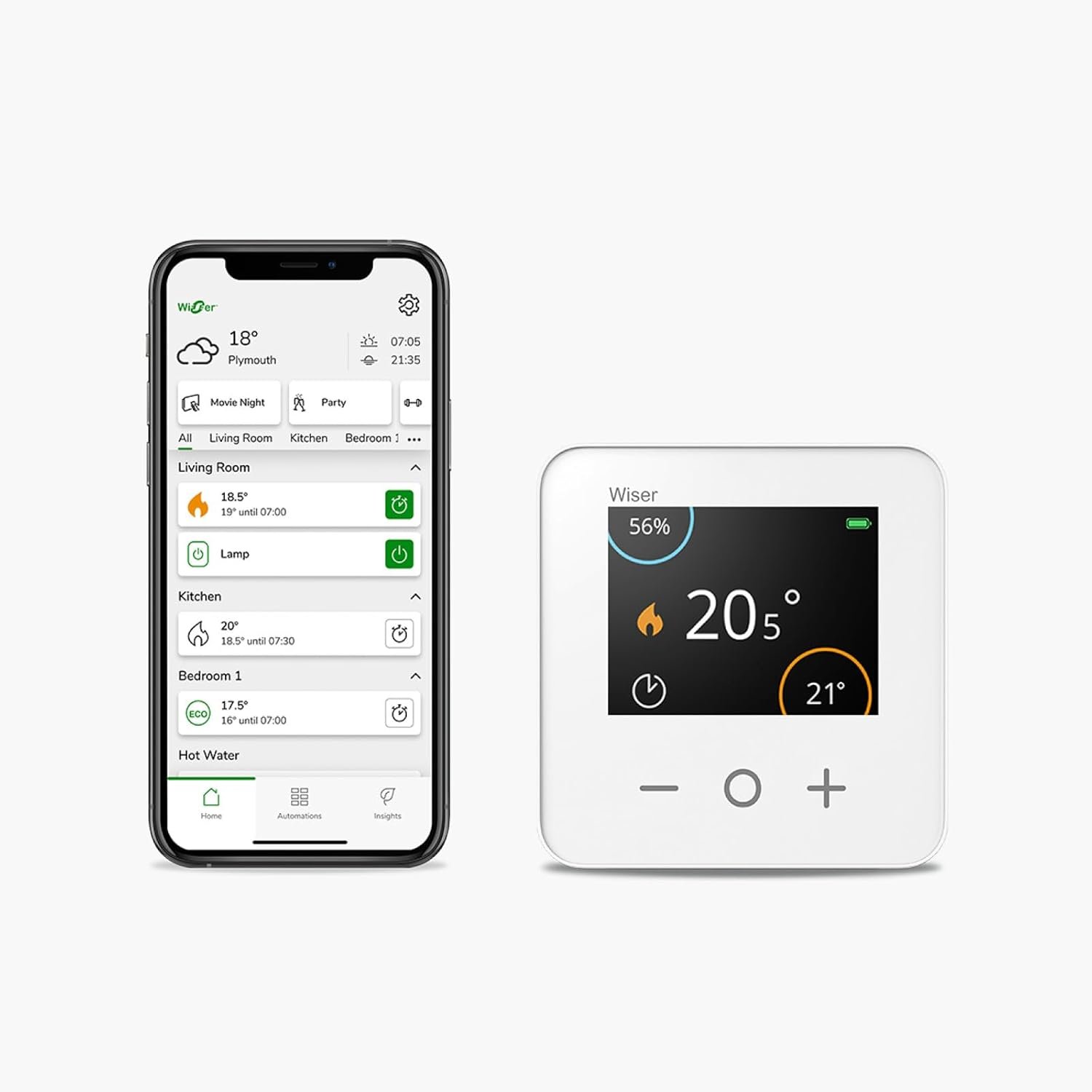
Drayton Wiser
Best for: Homes that want smart thermostat control and room-by-room expansion without overspending.
Drayton Wiser is a strong option if you are trying to improve your existing heating system before replacing the boiler. It offers a good route into smart zoning, especially when paired with Wiser smart radiator thermostats.
This makes it particularly useful for family homes, older homes and properties where different rooms are used at different times.
- Good value for money
- Strong smart TRV support
- Useful for room-by-room heating
- Good app control
- Expandable over time
2. Add Smart Radiator Valves
One of the biggest limitations of traditional heating systems is that rooms are often heated equally, even when they are used differently.
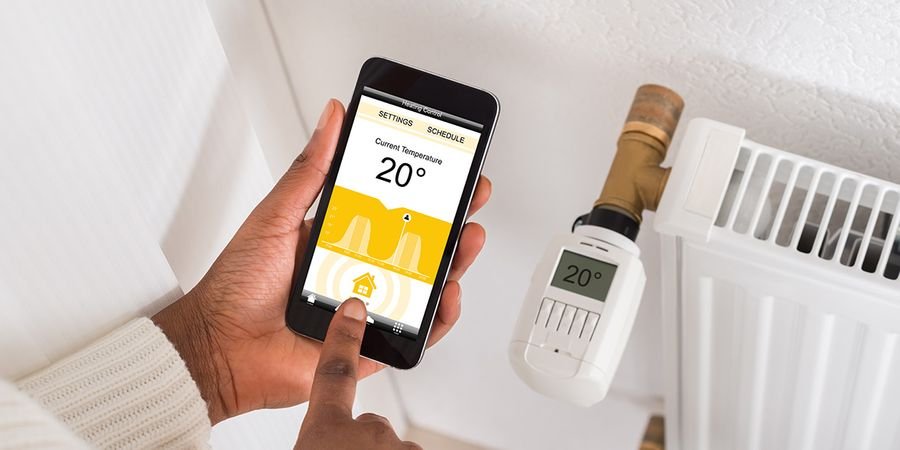
Smart TRVs let you create room-by-room schedules and temperature targets. This can help reduce wasted heating in rooms that do not need to be warm all day.
Smart TRVs can be particularly useful for:
- Home offices
- Spare bedrooms
- Guest rooms
- Children’s bedrooms
- Large family homes
- Multi-storey homes
- Rooms that overheat or stay cold
Best use case
Use a smart thermostat for the main heating schedule, then use smart TRVs to control rooms that are wasted, overheated or used at different times.
Best Smart TRVs Before Replacing a Boiler
If your boiler works but the home heats unevenly, smart TRVs may be a better upgrade than replacing the whole system.
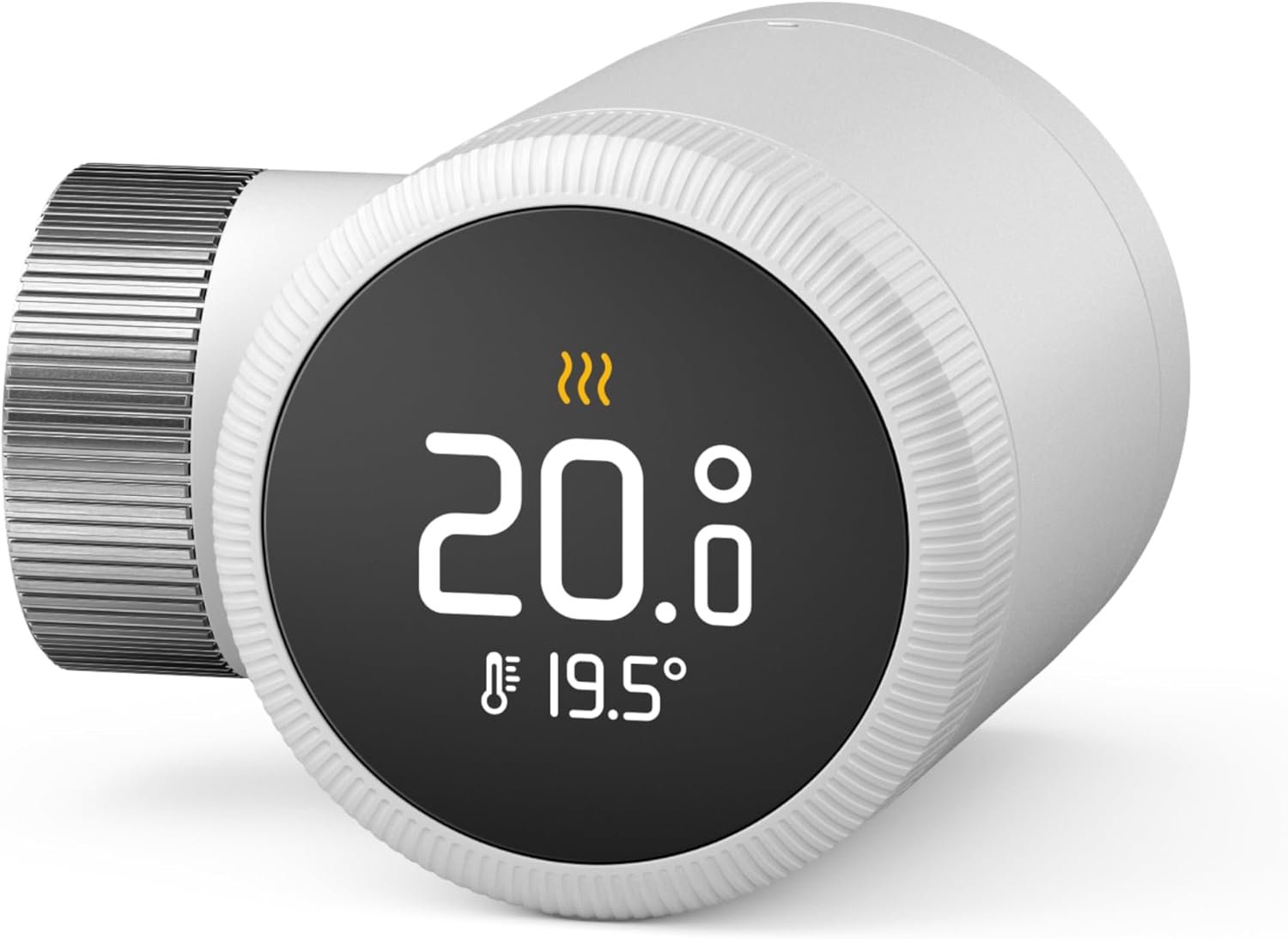
tado° Smart Radiator Thermostat X
Best for: Homes that want strong room-by-room control and may already use, or plan to use, tado° smart heating controls.
The tado° Smart Radiator Thermostat X is a strong option if your current boiler still works but different rooms need different heating schedules.
It can help reduce heating in spare rooms, bedrooms and home offices while allowing the rooms you use most to stay comfortable.
- Excellent room-by-room scheduling
- Strong app control
- Good match with tado° smart thermostats
- Useful for bedrooms, offices and spare rooms
- Best all-round smart TRV choice for most homes
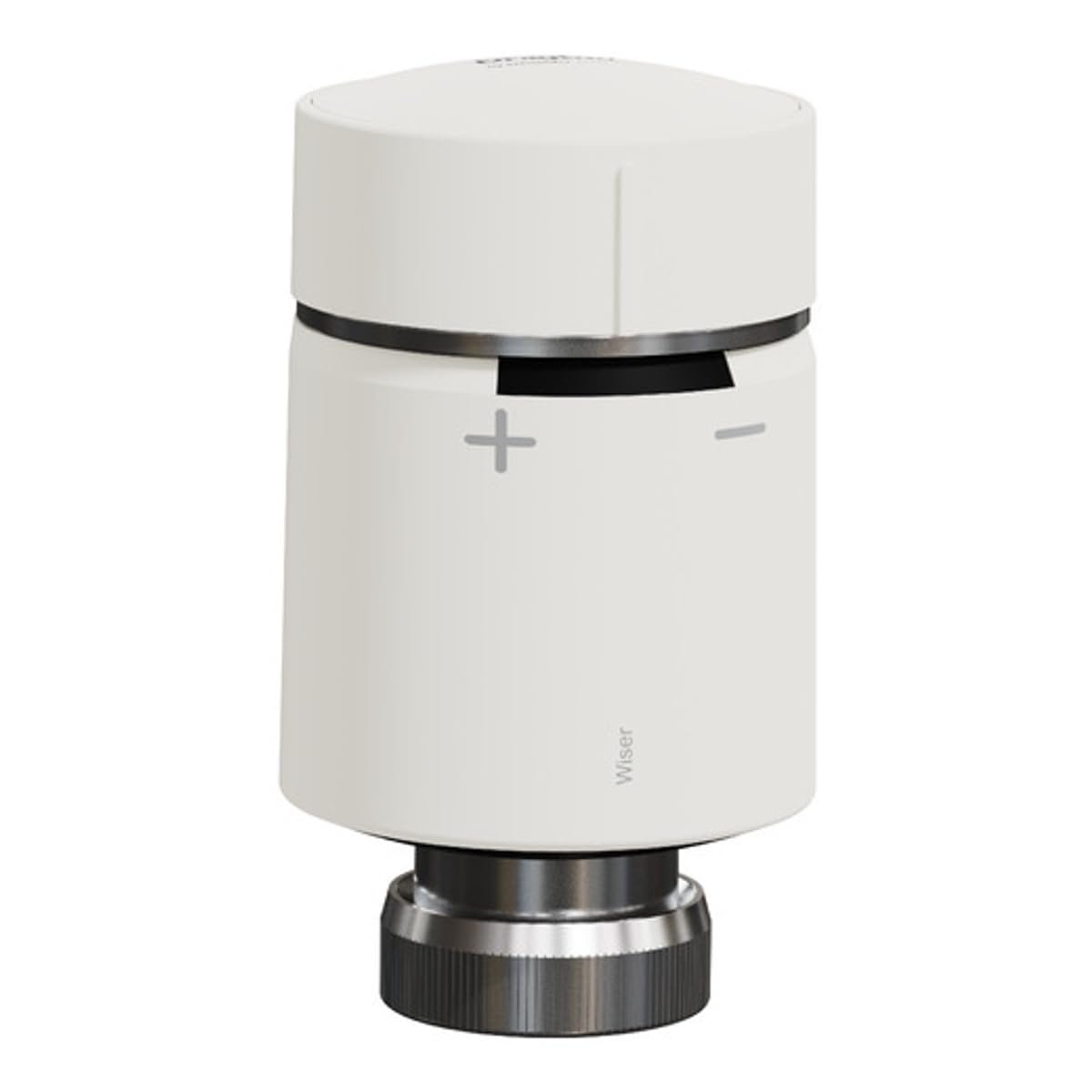
Drayton Wiser Smart Radiator Thermostat
Best for: Homes that want smart room control across several radiators without paying premium prices.
Drayton Wiser TRVs are a strong value option if you want to improve several rooms before deciding whether to replace the boiler.
They make most sense when paired with a wider Wiser setup, but they can be a practical route into smart zoning for homes with multiple problem rooms.
- Good value for multiple rooms
- Useful room-by-room scheduling
- Strong match with Drayton Wiser controls
- Good for family homes and spare rooms
- Practical upgrade path over time
3. Balance Your Radiators
Many heating systems suffer from uneven radiator performance. Some rooms overheat while others struggle to reach temperature.
Radiator balancing controls how much hot water flows through each radiator, helping heat spread more evenly throughout the home.
Signs your radiators may need balancing include:
- Some rooms heat much faster than others
- Upstairs rooms get too hot
- One room stays colder than the rest
- Radiators closest to the boiler heat first
- The boiler runs for a long time but comfort is uneven
Tip: Balancing is often one of the lowest-cost ways to improve comfort before buying a new boiler.
4. Upgrade Poorly Performing Radiators
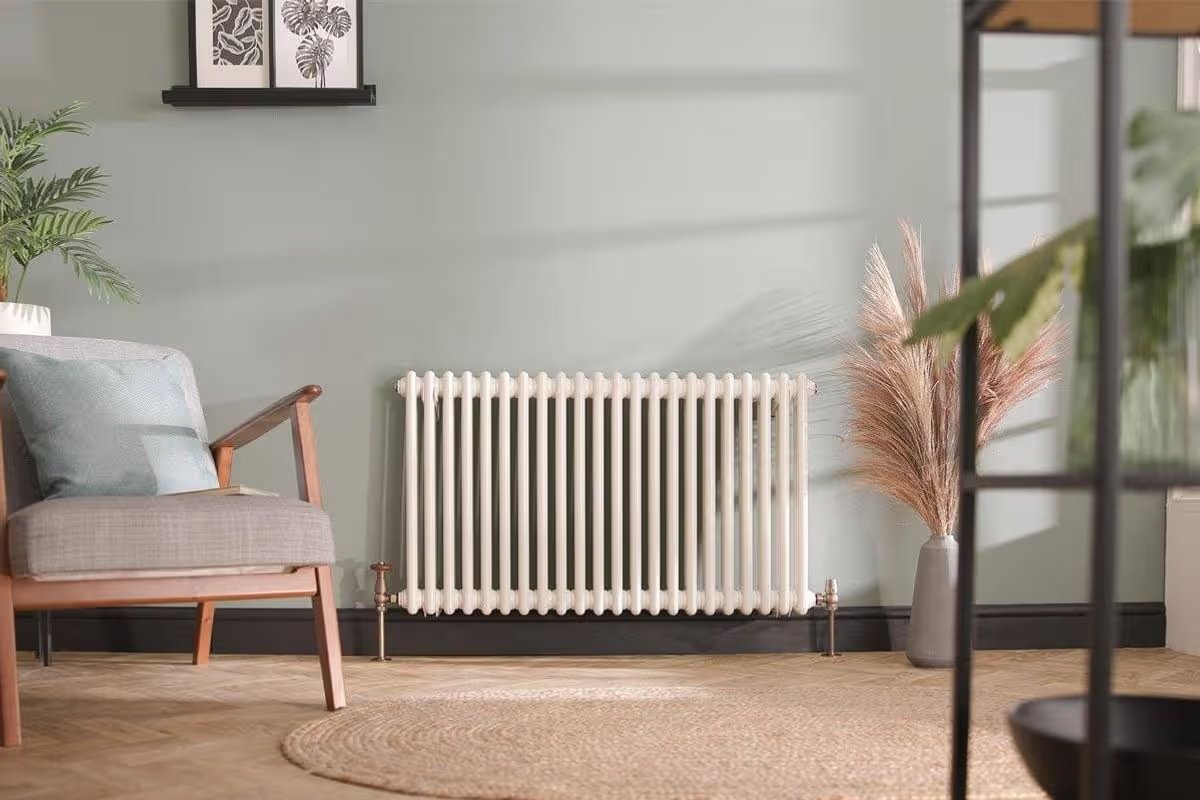
If certain rooms never feel warm enough, the issue may not be the boiler. The radiator may simply be too small for the room.
This is common in extensions, loft conversions, north-facing rooms and older homes where radiators were sized years ago.
Radiator upgrades can help if:
- The radiator gets fully hot but the room stays cold
- The room has been extended or changed
- The room loses heat quickly
- You are preparing for a future heat pump
- You want better comfort at lower flow temperatures
Upgrading key radiators can improve comfort immediately and may also make the home better prepared for lower-temperature heating in the future.
5. Improve Insulation and Draught-Proofing
Reducing heat loss often provides greater long-term benefit than replacing heating equipment.
If heat escapes quickly, any heating system has to work harder. That applies whether you use a gas boiler, oil boiler, LPG boiler or heat pump.
Areas worth checking include:
- Loft insulation
- Cavity wall insulation
- Draughty doors
- Old windows
- Suspended floors
- Pipe insulation
- Hot water cylinder insulation
Before replacing the boiler
If the home loses heat quickly, replacing the boiler may not solve the real problem. Improving heat loss can make any heating system perform better.
6. Fix Hot Water Waste
Hot water can add more to household energy use than many people expect, especially in homes with cylinders, immersion heaters or long shower use.
Before replacing your boiler, check whether hot water is being heated or stored inefficiently.
Common issues include:
- Hot water cylinders set too hot
- Poor cylinder insulation
- Immersion heaters left on
- Long shower times
- Leaking hot taps
- Poor hot water schedules
When Replacing the Boiler Still Makes Sense
Heating upgrades can improve performance, but there are situations where boiler replacement is still the sensible option.
Replacement may be worth considering if your boiler has:
- Frequent breakdowns
- Expensive repairs
- Poor reliability
- Parts that are hard to source
- Safety concerns identified by an engineer
- Very poor performance despite system improvements
At that point, it may be worth comparing a new boiler against alternatives such as an air source heat pump, especially if you are planning other home upgrades.
Thinking About a Heat Pump Instead?
Many of the upgrades above also benefit future heat pump installations.
Smart controls, improved radiators and lower heat loss can all help a heat pump operate more efficiently. Larger radiators and better insulation are especially useful because heat pumps normally work best at lower flow temperatures.
Keep Your Boiler for Now
- Improve controls
- Add zoning
- Reduce heating waste
- Lower upfront cost
Prepare for a Heat Pump
- Improve insulation
- Upgrade radiators
- Reduce flow temperatures
- Improve room comfort
Compare Up to 3 Heat Pump Installers Near You
Tell us a little about your property to see installer options available in your area.
Free to use with no obligation
Our Verdict
For most homeowners, upgrading heating controls should happen before replacing a functioning boiler.
A smart thermostat, smart TRVs, radiator balancing and basic heat-loss improvements can often deliver noticeable improvements in comfort and control at a fraction of the cost of a new heating system.
If the boiler is still reliable, start with controls and system optimisation. If the boiler is unreliable, expensive to repair or near the end of its life, then replacement may make sense.
Best first upgrade
If your boiler is working reliably but your heating is hard to control, start with a smart thermostat. If rooms are heated unnecessarily or unevenly, add smart TRVs and check radiator balancing.
Frequently asked questions
Should I replace my boiler or upgrade my heating controls first?
If your boiler is reliable, it is often worth improving heating controls, radiator balancing and room-by-room control before replacing it. If the boiler is unreliable or expensive to repair, replacement may be sensible.
What is the best heating upgrade before replacing a boiler?
For many homes, a smart thermostat is the best first upgrade. If some rooms are overheated, unused or hard to control, smart TRVs can also be very useful.
Can smart thermostats reduce heating bills?
A smart thermostat can help reduce bills if it improves heating schedules, reduces heating when nobody is home and makes it easier to avoid wasted heating.
Are smart TRVs worth installing before replacing a boiler?
Smart TRVs can be worth installing if different rooms need different temperatures or schedules. They can improve comfort and reduce wasted heating in unused rooms.
Should I upgrade radiators before getting a heat pump?
In many homes, larger or better-performing radiators can help prepare for a heat pump because heat pumps usually work best with lower flow temperatures.
Will insulation help more than a new boiler?
In some homes, yes. If the property loses heat quickly, improving insulation and draught-proofing can make any heating system cheaper and more comfortable to run.
Related guides
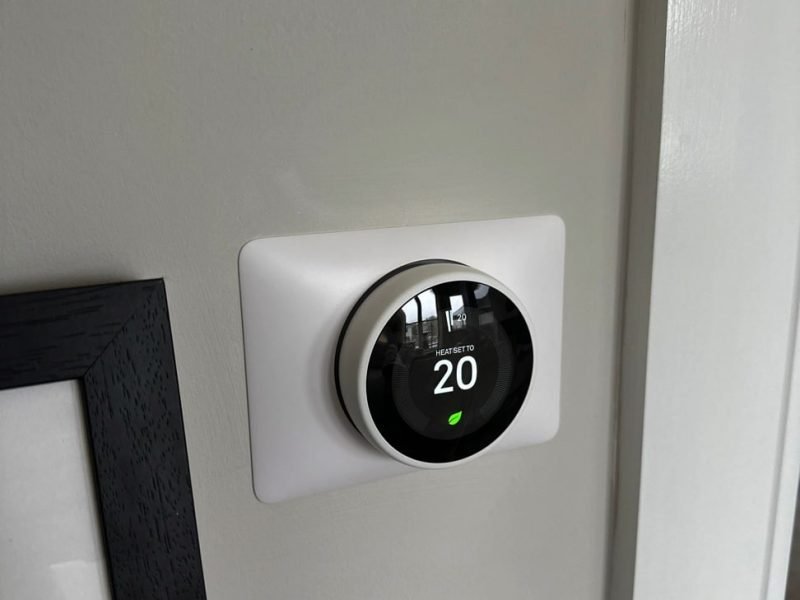 Best Smart Thermostat for Gas Boilers
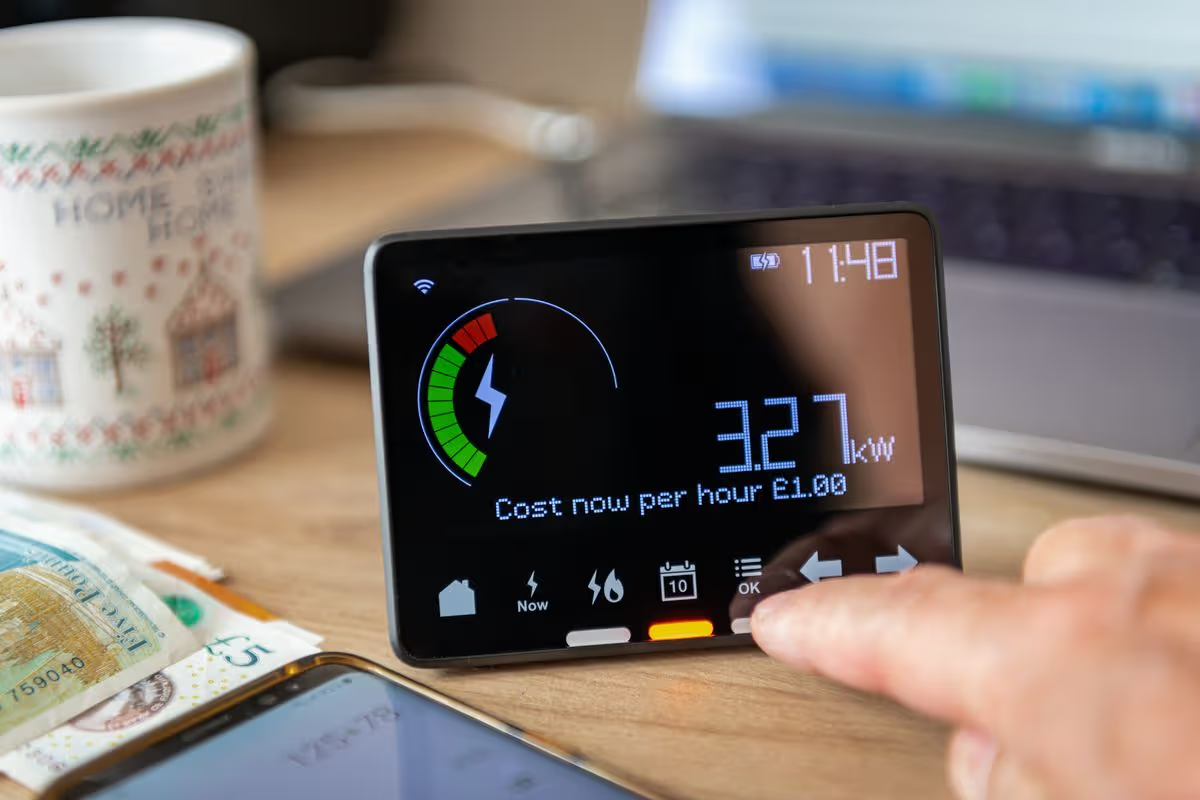 Do Smart Thermostats Save Money?
 Are Smart Thermostats Worth It?
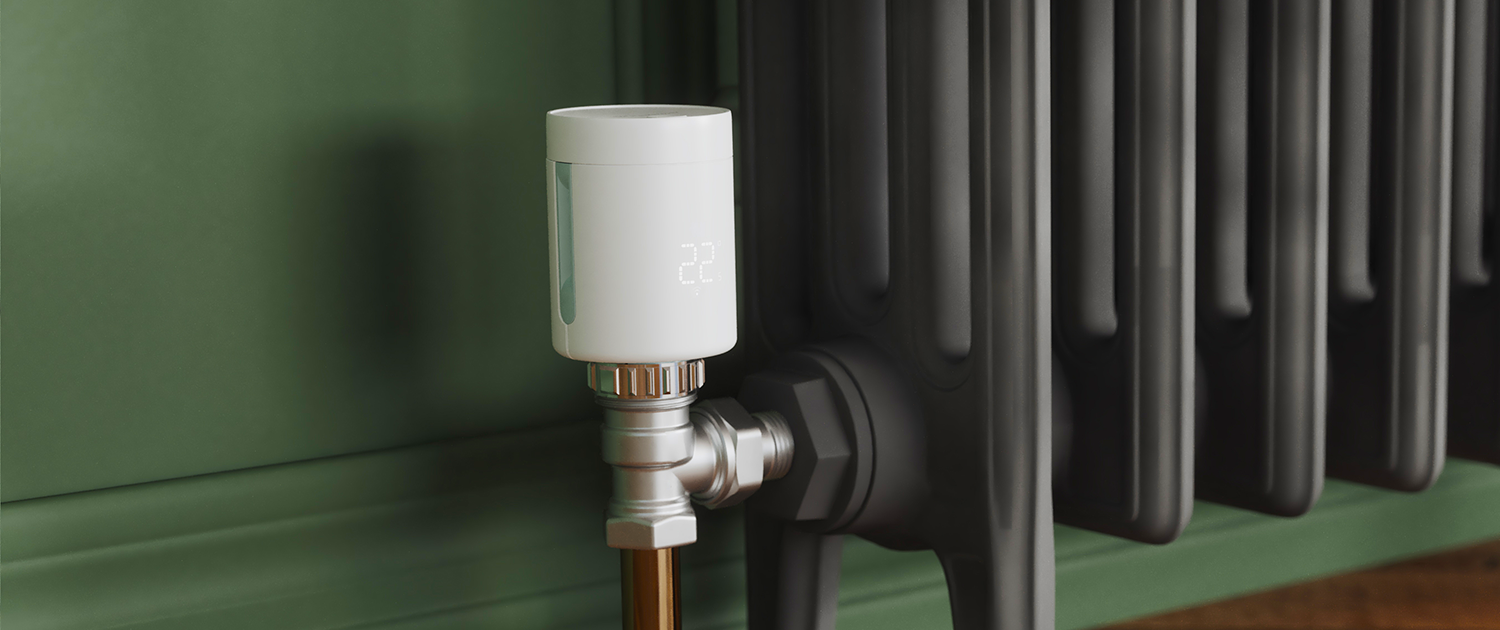 Are Smart TRVs Worth It?
 Smart Thermostat vs Smart TRV
 Why Is One Room Colder Than The Rest Of The House?
 Why Are My Upstairs Rooms Too Hot?
 Do You Need New Radiators for a Heat Pump?
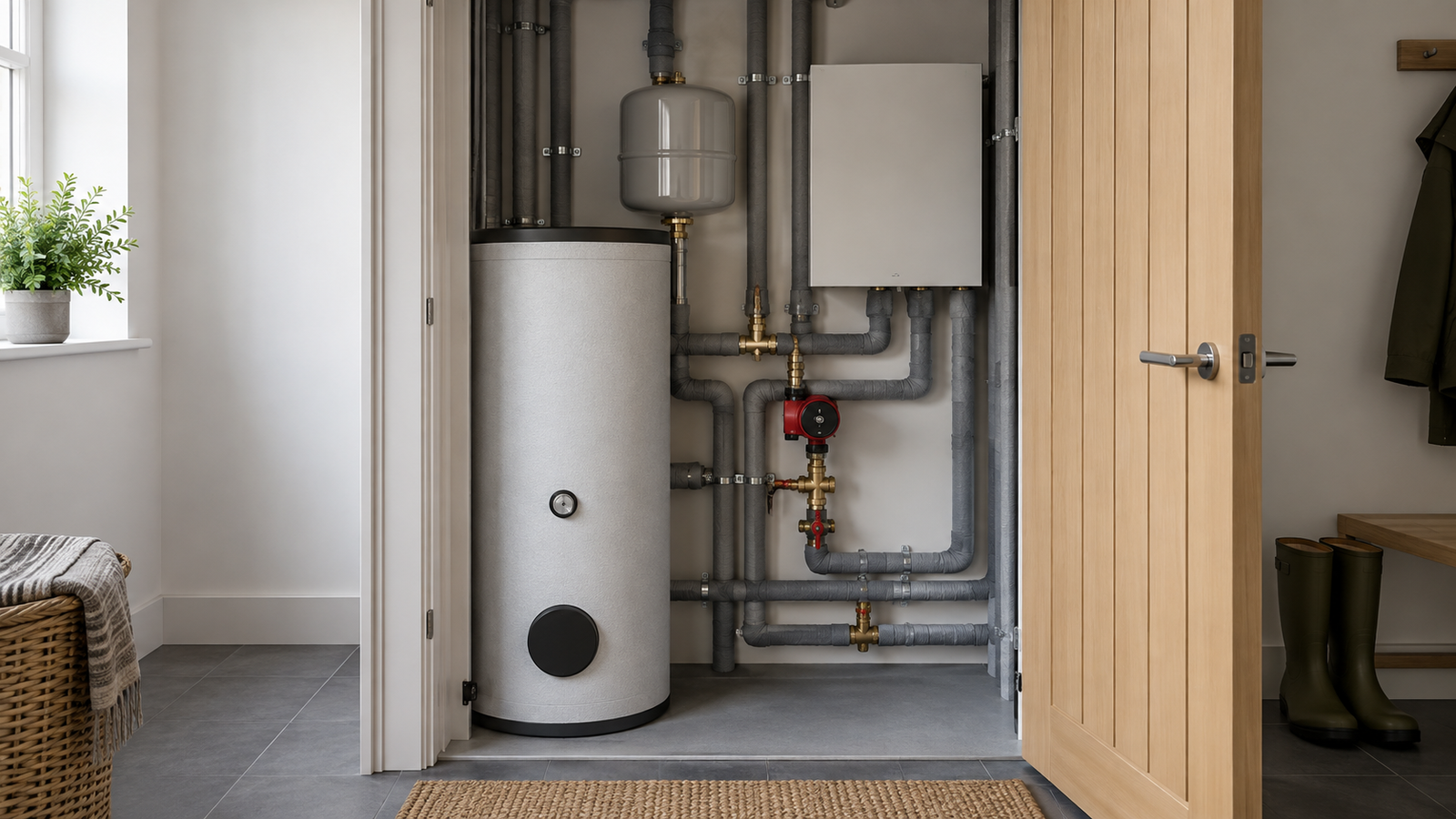 Heating Accessories
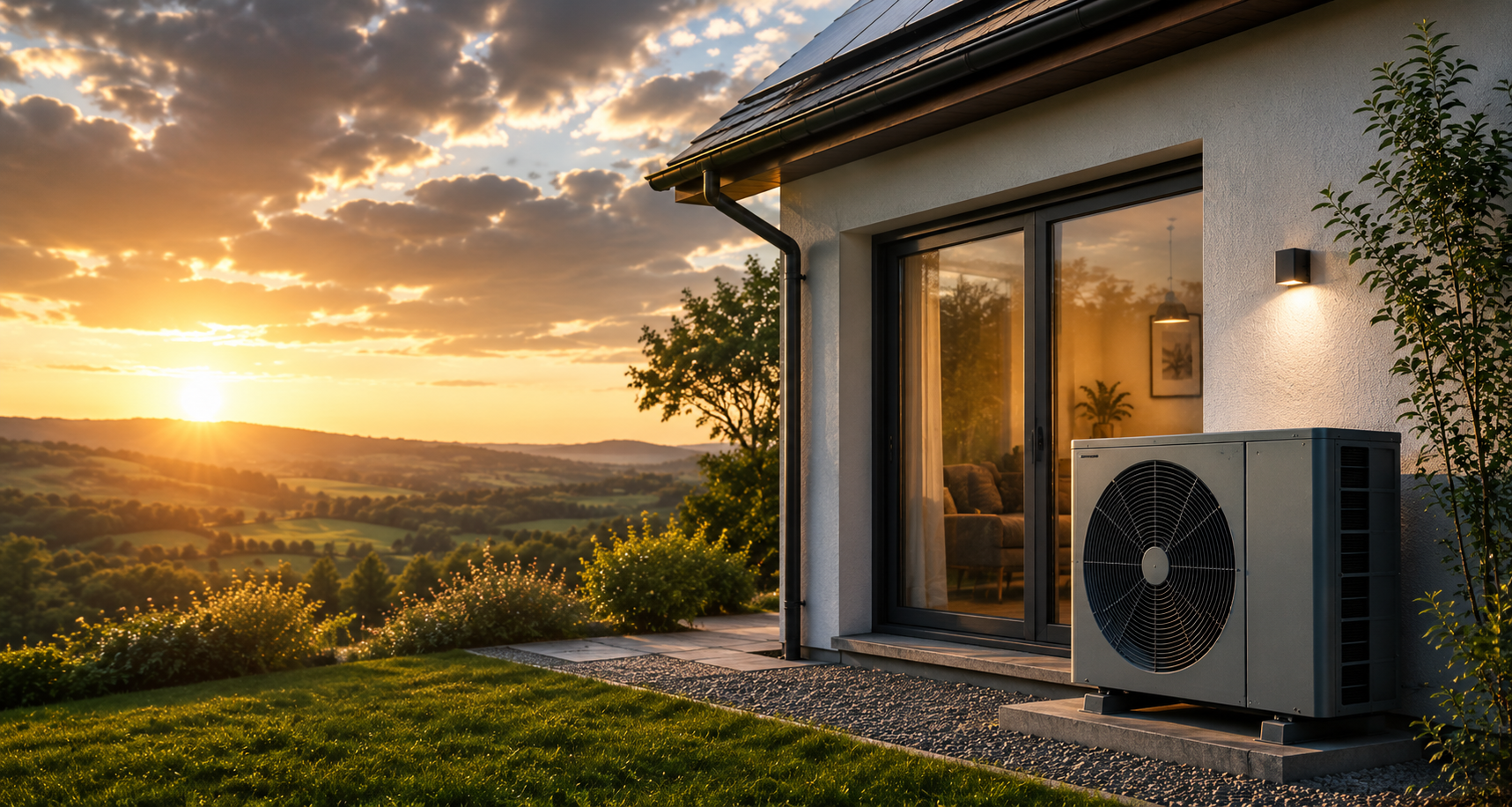 Gas Boiler to Heat Pump
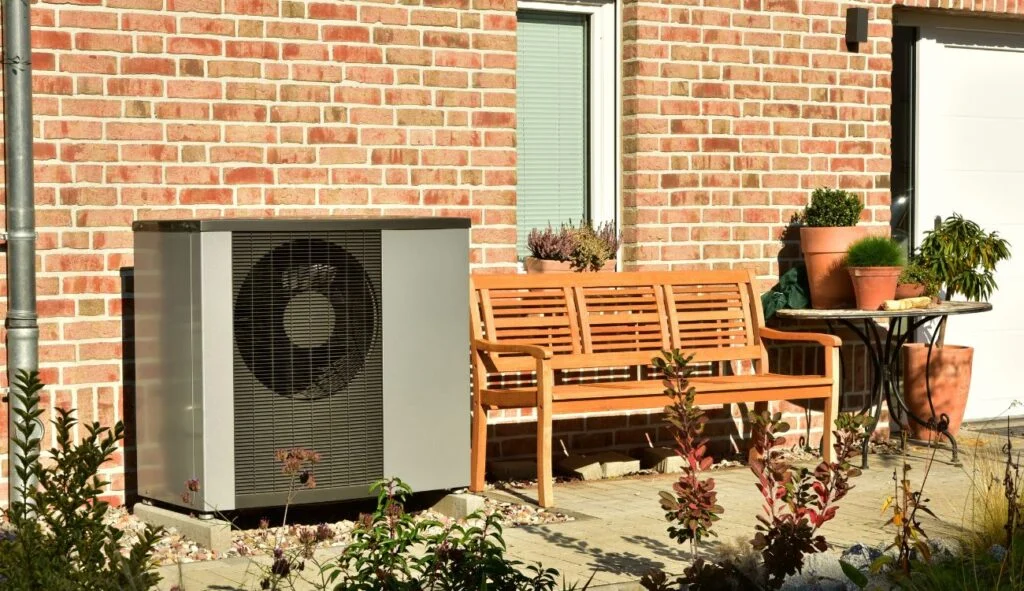 Are Heat Pumps Worth It?