
Hive vs Nest: Which Smart Thermostat Is Better in 2026?
Hive and Google Nest are two of the most popular smart thermostats in the UK. Both let you control your heating from your phone, create schedules and reduce wasted heating, but they suit different types of homes. This guide compares Hive vs Nest for ease of use, automation, gas boilers, older homes, smart-home features and overall value.
- Independent research
- UK homeowner comparison
- Affiliate links disclosed

Quick verdict: should you choose Hive or Nest?
See the full comparisonIf you want a simple smart thermostat that is easy to understand and works well as an upgrade from basic heating controls, Hive Active Heating is usually the better choice. If you want a more premium thermostat with stronger automation, learning features and better integration with Google smart-home products, Google Nest Learning Thermostat is usually the better option.
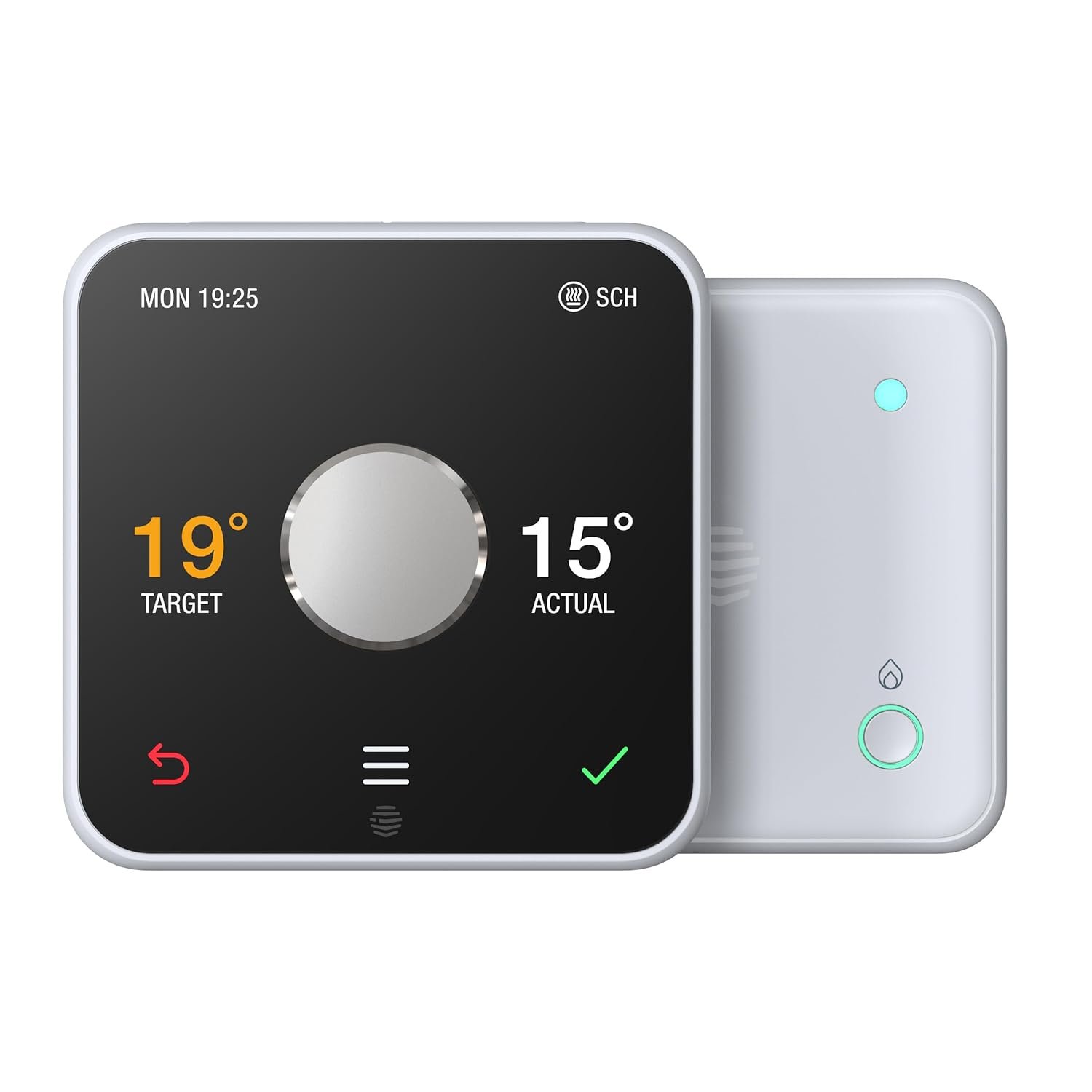
Hive Active Heating
Simpler, easier to use and a more straightforward upgrade from old heating controls.
Read our notes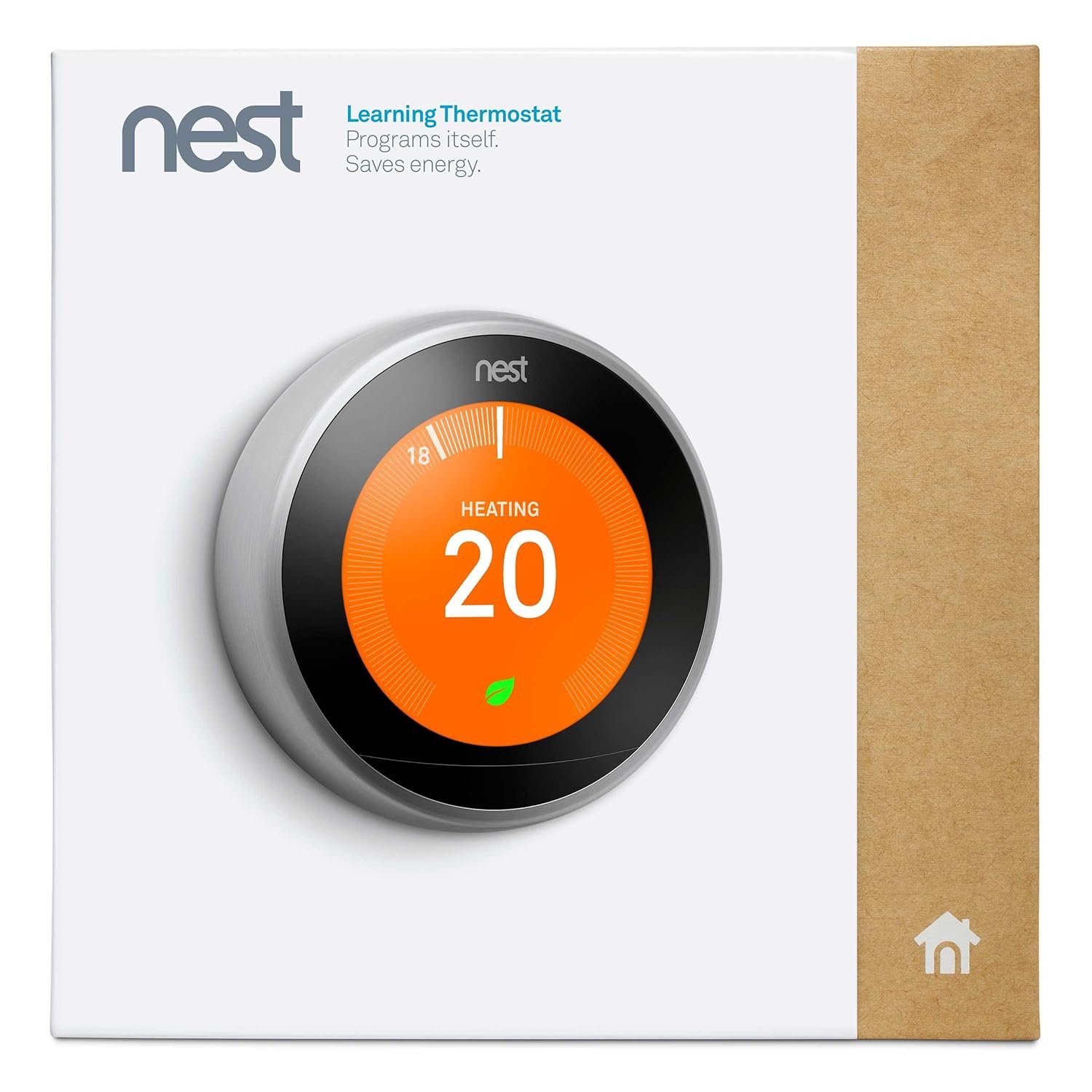
Google Nest Learning Thermostat
Premium design, stronger automation and Google smart-home integration.
Read our notesOur winner for most UK homes: Hive Active Heating. For most UK homeowners comparing Hive vs Nest, Hive is the safer recommendation because it is simpler, easier to use and a more straightforward upgrade from old heating controls.
Affiliate disclosure: This page contains Amazon affiliate links. If you buy through one of these links, Heat Pump Guide UK may earn a commission at no extra cost to you. Affiliate relationships do not determine our recommendations.
Hive vs Nest: quick comparison table
This table gives you the fast answer before the full breakdown.
| Feature | Hive Active Heating | Google Nest Learning Thermostat | Winner |
|---|---|---|---|
| Ease of use | Excellent | Very good | Hive |
| Best for beginners | Excellent | Good | Hive |
| App control | Very good | Excellent | Nest |
| Learning features | Limited | Excellent | Nest |
| Smart automation | Good | Excellent | Nest |
| Smart radiator valve support | Basic | Limited | Draw |
| Room-by-room control | Limited | Limited | Neither is best |
| Best for gas boilers | Excellent | Very good | Hive |
| Best for smart homes | Good | Excellent | Nest |
| Best overall | Simple and familiar | Smarter and more premium | Depends on your needs |
Hive and Nest in detail
What each thermostat does well, where it falls short and who it suits.
Hive Active Heating
Best for: homeowners who want a simple, familiar smart thermostat that is easy to use day to day.
Hive Active Heating is one of the most recognisable smart thermostats in the UK. Its biggest strength is simplicity. If you currently have an old room thermostat, basic heating timer or manual controls, Hive can feel like a clear upgrade without being complicated.
The app is straightforward, the thermostat is easy to understand and the system is well suited to homeowners who mainly want remote heating control, simple schedules and the ability to turn the heating on or off from their phone.
Hive strengths
- Very easy to use
- Simple app control
- Good for replacing old heating controls
- Familiar UK brand
- Good option for gas boiler homes
- Simple heating schedules
- Good choice for less technical users
Hive weaknesses
- Less advanced than Nest for automation
- No major learning-schedule advantage
- Weaker smart-home feel than Nest
- Not the strongest option for room-by-room zoning
Why we recommend it: Hive is one of the easiest smart thermostats to recommend for UK homeowners who want better heating control without extra complexity.
Best for you if: you want a simple thermostat upgrade and do not need advanced smart-home automation.
Google Nest Learning Thermostat
Best for: homeowners who want premium design, smart automation and Google smart-home integration.
The Google Nest Learning Thermostat is one of the most polished smart thermostats available. It looks premium, feels more advanced than many basic smart thermostats and works especially well for homeowners already using Google smart-home products.
Nest is strongest if you want more automation rather than just a simple heating schedule. Its learning-style approach can suit homes where routines are fairly predictable and where the user is happy to let the thermostat automate more decisions.
Nest strengths
- Premium design
- Strong smart-home integration
- Learning features
- Excellent app experience
- Good automation features
- Attractive thermostat hardware
- Best fit for Google smart-home users
Nest weaknesses
- More expensive than some simpler thermostats
- Learning features may not suit everyone
- Less straightforward than Hive for beginners
- Not the strongest option for smart radiator valve zoning
Why we recommend it: Nest is a strong choice if you want a premium smart-home experience and are comfortable with more automation.
Best for you if: you already use Google smart-home devices and want a thermostat that feels more intelligent than a basic app-controlled timer.
Which is easier to use: Hive or Nest?
Hive is usually easier to use than Nest. It is simpler, more predictable and closer to a traditional thermostat experience with app control added on top. Nest is still user-friendly, but it has more automation and learning features. That can be useful if you want a smarter thermostat, but it can also feel less straightforward if you simply want manual control and basic scheduling.
Choose Hive if…
- You want simple controls
- You mainly want app-based scheduling
- You are replacing old heating controls
- You do not want lots of automation
Choose Nest if…
- You want smarter automation
- You like Google smart-home products
- You want a premium thermostat design
- You are happy to use learning features
Which saves more money: Hive or Nest?
Neither Hive nor Nest can guarantee lower heating bills on its own. Smart thermostats save money when they help you reduce wasted heating, improve schedules and avoid heating the home unnecessarily. Hive may help if your current controls are old, awkward or difficult to programme. Nest may help if its automation features encourage better heating habits over time. The biggest savings usually come from:
- Reducing heating when nobody is home
- Improving heating schedules
- Avoiding overheating rooms
- Turning temperatures down when appropriate
- Making heating easier to control from your phone
- Using smart TRVs if you need room-by-room control
For most households, the way the thermostat is used matters more than the brand name on the wall.
Hive vs Nest for smart radiator valves
If smart radiator valves are important to you, Hive and Nest may not be the strongest choices. Both systems can work well as central smart thermostats, but if your main goal is room-by-room heating control, you should also compare systems such as tado° or Drayton Wiser. Smart TRVs are especially useful if:
- Some rooms are rarely used
- Bedrooms overheat at night
- You work from home in one room
- One room is colder than the rest
- You want to stop heating the whole house equally
Important
If you want the biggest room-by-room saving potential, compare smart thermostats with smart TRVs as well. Hive and Nest are not usually the strongest options for full room-by-room zoning.
Hive vs Nest by home and heating system
The better choice changes with your boiler, your property and your heating system.
Gas boilers
Both Hive and Nest can be good options for many UK gas boiler homes. The better choice depends on whether you want simple control or smarter automation. If you have a straightforward gas boiler or combi boiler and mainly want an easy thermostat upgrade, Hive is usually the simpler choice. If you want smart-home features and are already using Google products, Nest may be more appealing.
Choose Hive if you want simple app control for a gas boiler. Choose Nest if you want a more premium thermostat with stronger automation and Google smart-home integration.
Older homes
Older homes often have uneven temperatures, cold rooms, draughts and different heating needs across the property. Hive and Nest can both help with scheduling and app control, but neither is the strongest choice for detailed room-by-room heating.
Hive is often better if you want a simple upgrade from old controls. Nest is better if you want a more automated, premium smart-home experience. If your older home has rooms that are too hot, too cold or used at different times, you may also want to consider a system with stronger smart radiator valve support.
Heat pumps
If you have a heat pump, choosing the right thermostat can be more complicated than with a gas boiler. Heat pumps usually work best with steady, efficient heating rather than aggressive stop-start control.
Hive and Nest may work in some heat pump setups, but compatibility depends on your exact heat pump, controls, wiring and installer design. For many heat pump homes, zoning, weather compensation and stable temperature control matter more than choosing a familiar smart thermostat brand.
Important: Always check compatibility with your exact heating system before buying a thermostat for a heat pump, underfloor heating system or multi-zone setup.
Which is better value?
Hive is usually better value if you want a simple, familiar smart thermostat and do not need advanced automation. It is a sensible upgrade if your current heating controls are old, confusing or inconvenient. Nest can be better value if you actively use its automation, learning features and Google smart-home integration. If you do not use those features, it may be more thermostat than you really need.
| Situation | Better choice | Why |
|---|---|---|
| Simple thermostat replacement | Hive | Easier and more familiar |
| Premium smart-home setup | Nest | Better Google integration and design |
| Older heating controls | Hive | Straightforward upgrade path |
| Automation and learning features | Nest | More advanced behaviour-based control |
| Room-by-room heating | Neither is best | Consider tado° or Drayton Wiser instead |
Common mistakes when choosing between Hive and Nest
Choosing Nest only because it looks premium
Nest is a good smart thermostat, but the design alone should not be the deciding factor. If you mainly want simple app control, Hive may be a better fit.
Choosing Hive when you want advanced automation
Hive is excellent for simplicity, but Nest is stronger if you want learning features and a more automated smart-home experience.
Ignoring room-by-room control
If different rooms need different temperatures, neither Hive nor Nest may be the best complete solution. Smart TRVs may matter more.
Expecting automatic savings
A smart thermostat only saves money if it helps you reduce wasted heating. Poor schedules and high temperature settings can still lead to high bills.
Not checking heating system compatibility
Before buying either system, check compatibility with your boiler, heat pump, wiring setup and current controls.
Final verdict: is Hive or Nest better?
Hive is better if you want a simple, familiar smart thermostat that is easy to use and gives you reliable app control.
Nest is better if you want premium design, stronger automation, learning features and better Google smart-home integration.
Overall recommendation: for most UK homes, Hive is the safer choice because it is simpler and easier to live with. Choose Nest if you specifically want Google smart-home features and more automation.
Frequently asked questions
Is Hive better than Nest?
Hive is often better if you want simple app control and easy heating schedules. Nest is better if you want automation, learning features and Google smart-home integration.
Is Nest better than Hive?
Nest is better than Hive for smart-home features, premium design and automation. Hive is usually better for simplicity and straightforward everyday use.
Does Nest save more money than Hive?
Not necessarily. Savings depend mainly on how the thermostat is set up and how your heating is used. Nest has more automation, but Hive can still reduce wasted heating if used properly.
Can Hive and Nest work with combi boilers?
Both Hive and Nest can work with many combi boiler systems, but compatibility depends on your exact boiler, wiring and existing controls.
Which thermostat is easier to use?
Hive is usually easier to use because it focuses on simple controls and straightforward scheduling.
Which is better for smart homes?
Nest is usually better for smart homes, especially if you already use Google smart-home products.
Should I buy Hive or Nest?
Buy Hive if you want the simplest smart thermostat. Buy Nest if you want better automation, learning features and Google smart-home integration.
Related guides
 Best Smart ThermostatsOur top picks for heat pump homes
 Best Smart Thermostat for Gas BoilersSystem and regular boilers with cylinders
 Best Smart Thermostat for Combi BoilersHeating-only control for on-demand hot water
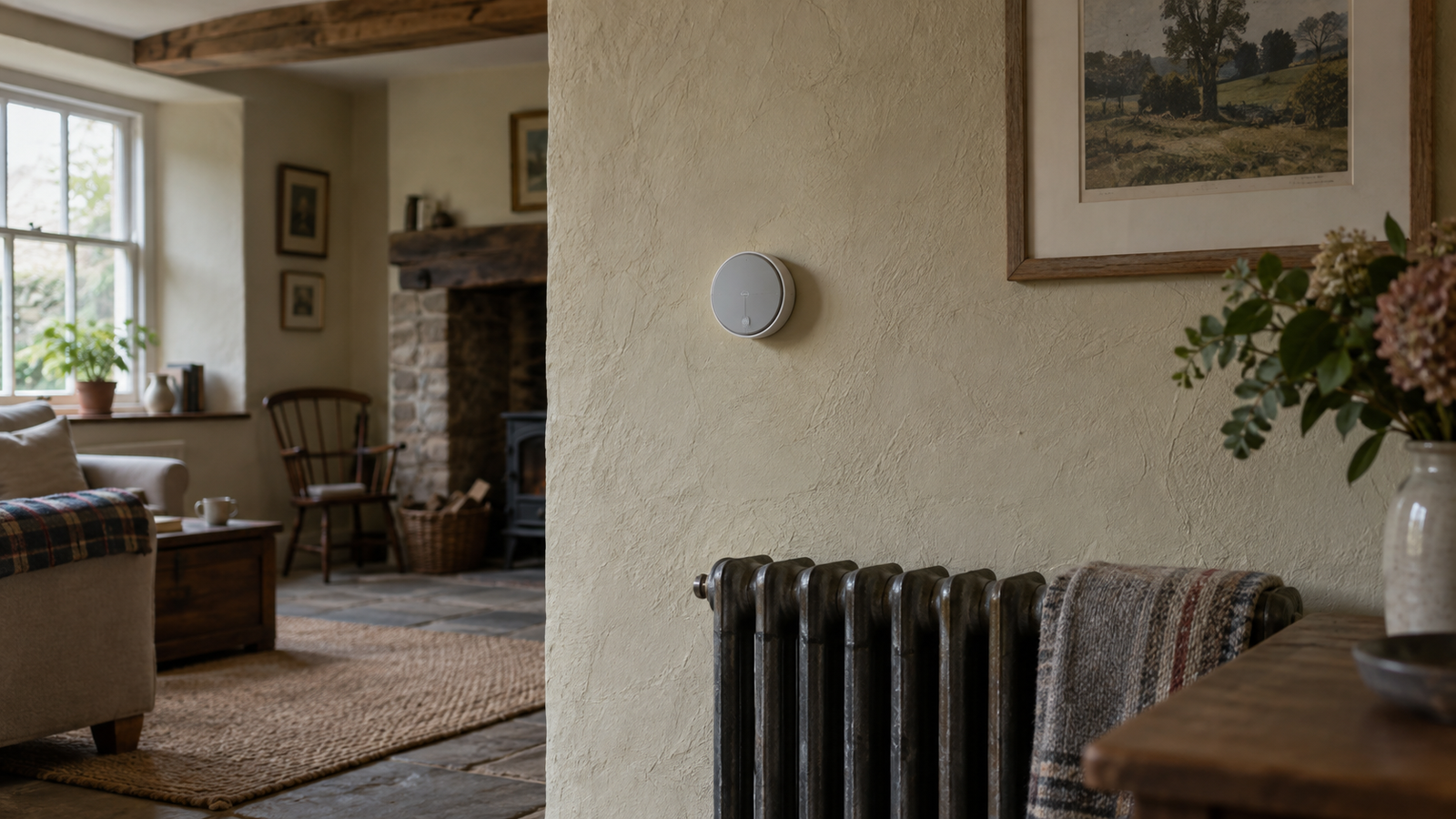 Best Smart Thermostat for Older HomesControls for draughty, uneven properties
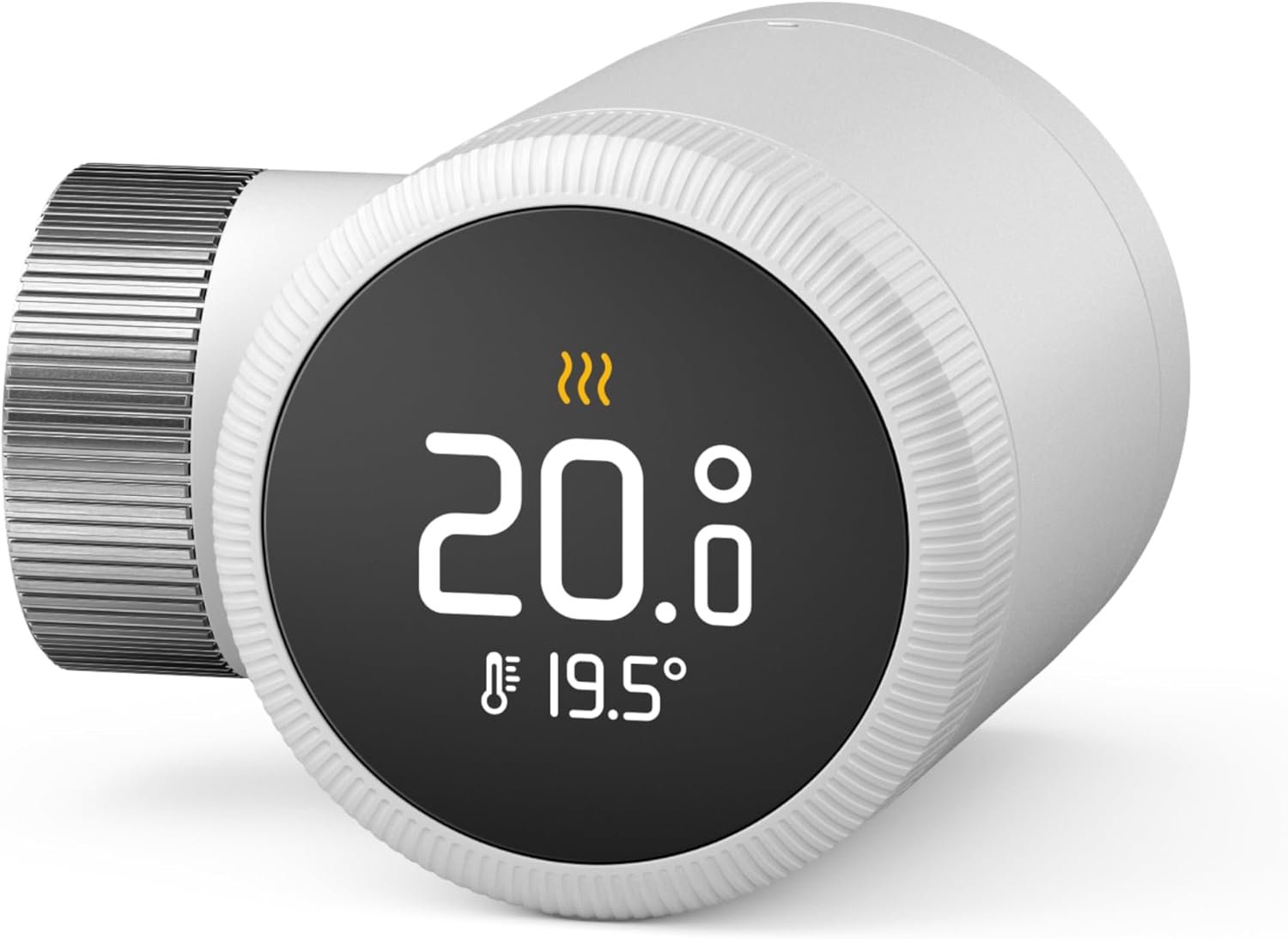 Best Smart TRVsRoom-by-room radiator control compared
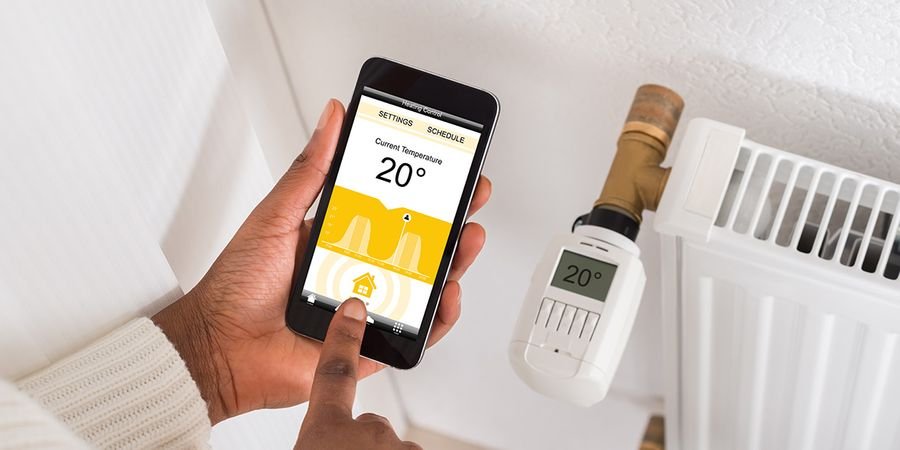 Smart Thermostat vs Smart TRVWhich upgrade solves your problem
 Are Smart Thermostats Worth It?What you actually gain from an upgrade
 Do Smart Thermostats Save Money?What affects any savings on your bills
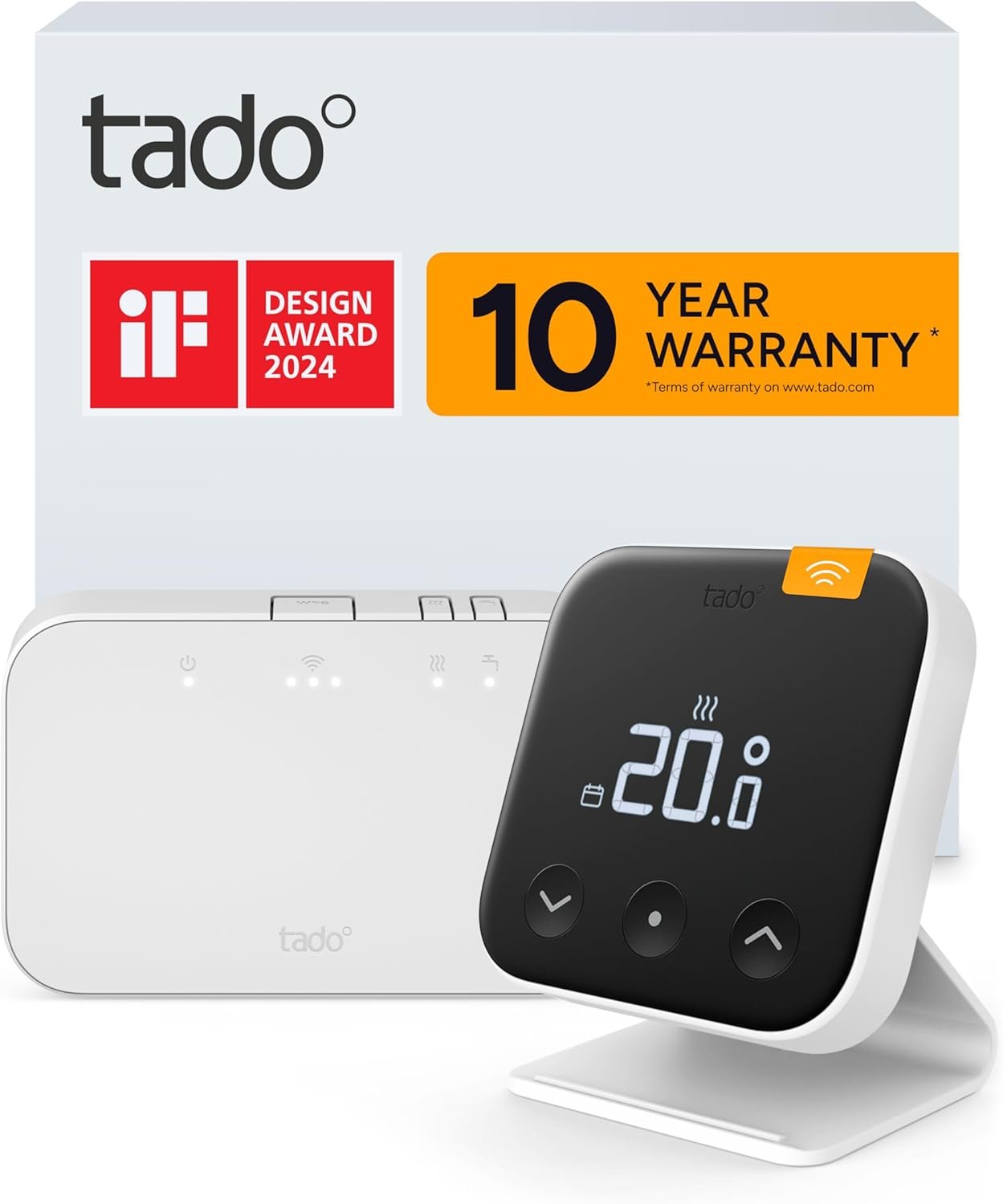 Hive vs tado°Two popular smart heating systems compared