
Heat Pump vs Smart Heating Controls: Which Comes First?
If you want lower heating bills but are not ready to replace your boiler, smart thermostats, smart radiator valves and energy monitors may be a lower-cost first step before a heat pump. This guide explains which upgrade makes sense first, what each option can realistically do and when a full heat pump installation is worth exploring.
- Updated for 2026
- UK homeowner guide
- Affiliate links disclosed

Quick Answer: Should You Upgrade Controls Before Getting a Heat Pump?
If your boiler is old, unreliable or you want to move away from fossil fuel heating, a heat pump may be worth exploring seriously. But if your boiler still works and your main issue is wasted heating, smart controls are often the better first step.
A heat pump changes how your home is heated. Smart heating controls change how your current heating is managed. If your existing heating is poorly scheduled, overheating unused rooms or controlled by an old thermostat, improving controls first can be a sensible lower-cost move.
Simple verdict
Choose smart controls first if your current heating is wasteful but still working. Consider a heat pump first if your boiler is near replacement, your home is suitable and you are ready for a major heating system change.
Affiliate disclosure: This page contains Amazon affiliate links. If you buy through one of these links, Heat Pump Guide UK may earn a commission at no extra cost to you. Affiliate relationships do not determine our recommendations.
Why Compare Heat Pumps With Smart Heating Controls?
A heat pump and smart heating controls are not direct alternatives.
A heat pump is a major heating system replacement. Smart controls are a way to improve how your current boiler, radiators or heating system behaves.
However, many homeowners start researching both for the same reason. They want to lower bills, improve comfort, reduce wasted heat and understand whether their current heating setup can be improved before spending thousands on a larger upgrade.
The key question: Are you trying to replace your heating system, or are you trying to stop wasting heat?
Heat Pump vs Smart Controls: Simple Comparison
This table shows the practical difference between replacing your heating system and improving how your current system is controlled.
| Question | Heat Pump | Smart Heating Controls |
|---|---|---|
| What does it change? | Your main heating system | How your current heating is controlled |
| Typical upfront cost | High, although grants may help eligible homes | Lower, depending on products and number of rooms |
| Disruption | Can involve surveys, outdoor unit, hot water cylinder changes and radiator checks | Usually much less disruptive |
| Main benefit | Low-carbon heating and high efficiency when designed well | Better scheduling, zoning and reduced wasted heating |
| Best for | Homeowners ready for a major heating change | Homeowners wanting a lower-cost first step |
| Main risk | Poor design can lead to disappointing performance or savings | Limited impact if the home has deeper heat loss or heating design problems |
When a Heat Pump Should Come First
A heat pump may be the right first move if your existing boiler is near the end of its life, you want to reduce carbon emissions and your home is suitable for lower-temperature heating.
A heat pump is worth exploring first if:
- Your boiler is old, unreliable or expensive to repair
- You want to move away from gas, oil or LPG heating
- Your home is reasonably well insulated
- You are willing to upgrade radiators if needed
- You have space for an outdoor unit
- You understand that heat pumps usually work differently from gas boilers
- You can get a proper heat loss survey and design-led quote
- You may be eligible for grant support
When Smart Controls Should Come First
Smart controls may be the better first step if your boiler still works and your main problem is poor control rather than the heat source itself.
Smart controls are worth considering first if:
- Your boiler still works reliably
- Your heating schedule is poor or hard to manage
- You often heat the home when nobody is in
- Rooms are heated even when they are not used
- Some rooms overheat while others stay cooler
- You want a lower-cost first step before a major installation
- You want better data before deciding on a heat pump
- You want to improve comfort before replacing the heating system
Best first step for many homes
If your current heating is wasteful but still working, improve controls first. You may reduce waste now and make a better long-term decision later.
Why Heat Pump Savings Can Disappoint
Heat pumps can be very efficient, but savings are not automatic. Results depend on how well the system is designed, installed, commissioned and used.
A common issue is unrealistic expectations. A gas boiler can deliver short bursts of high-temperature heat. A heat pump usually works best by running more steadily at lower flow temperatures.
Common reasons heat pump results fall short
- Poor heat loss calculations: the system may not be sized correctly for the home or individual rooms.
- Unsuitable radiators: existing radiators may not deliver enough heat at lower flow temperatures.
- Flow temperature too high: higher flow temperatures usually reduce heat pump efficiency.
- Weak commissioning: the heating curve, hot water settings and controls may not be optimised.
- Electricity tariff mismatch: electricity prices affect whether the heat pump produces meaningful bill savings.
- User behaviour: trying to run a heat pump like a gas boiler can reduce the benefit.
Important: This does not mean heat pumps are a bad idea. It means design, setup and expectations matter. A well-designed heat pump system can perform very differently from a poorly designed one.
What Smart Heating Controls Can Do
Smart heating controls cannot turn a poorly insulated home into an efficient one overnight. They also cannot replace proper heating design or professional advice.
What they can do is help you manage your current heating more intelligently.
Smart controls may help with:
- Better heating schedules
- Remote control from a phone
- Reducing heating when nobody is home
- Controlling individual rooms
- Turning down unused spaces
- Understanding room temperatures
- Spotting heating habits that waste energy
The practical benefit
Smart controls are not a substitute for a heat pump, but they can help reduce wasted heating before you decide whether a more expensive upgrade is needed.
Smart Thermostat vs Smart TRV Before a Heat Pump
If you are improving your current heating before deciding on a heat pump, smart thermostats and smart TRVs solve different problems. See our overview of thermostat, TRV and zoning choices to plan a suitable controls upgrade.
| Upgrade | Best For | Why It Helps Before a Heat Pump |
|---|---|---|
| Smart thermostat | Whole-home schedules | Shows whether better scheduling reduces waste before replacing the system |
| Smart TRVs | Room-by-room control | Helps identify which rooms are overheated, underheated or rarely used |
| Energy monitor | Electricity usage tracking | Helps establish your electricity baseline before adding electric heating demand |
| Room sensors | Comfort checks | Shows whether key rooms reach and hold target temperatures |
Best Smart Heating Products to Consider First
These products are not guaranteed to cut your bills. Their value depends on your home, heating system, usage and compatibility. But they can be useful if you want to improve control before spending thousands on a larger upgrade.
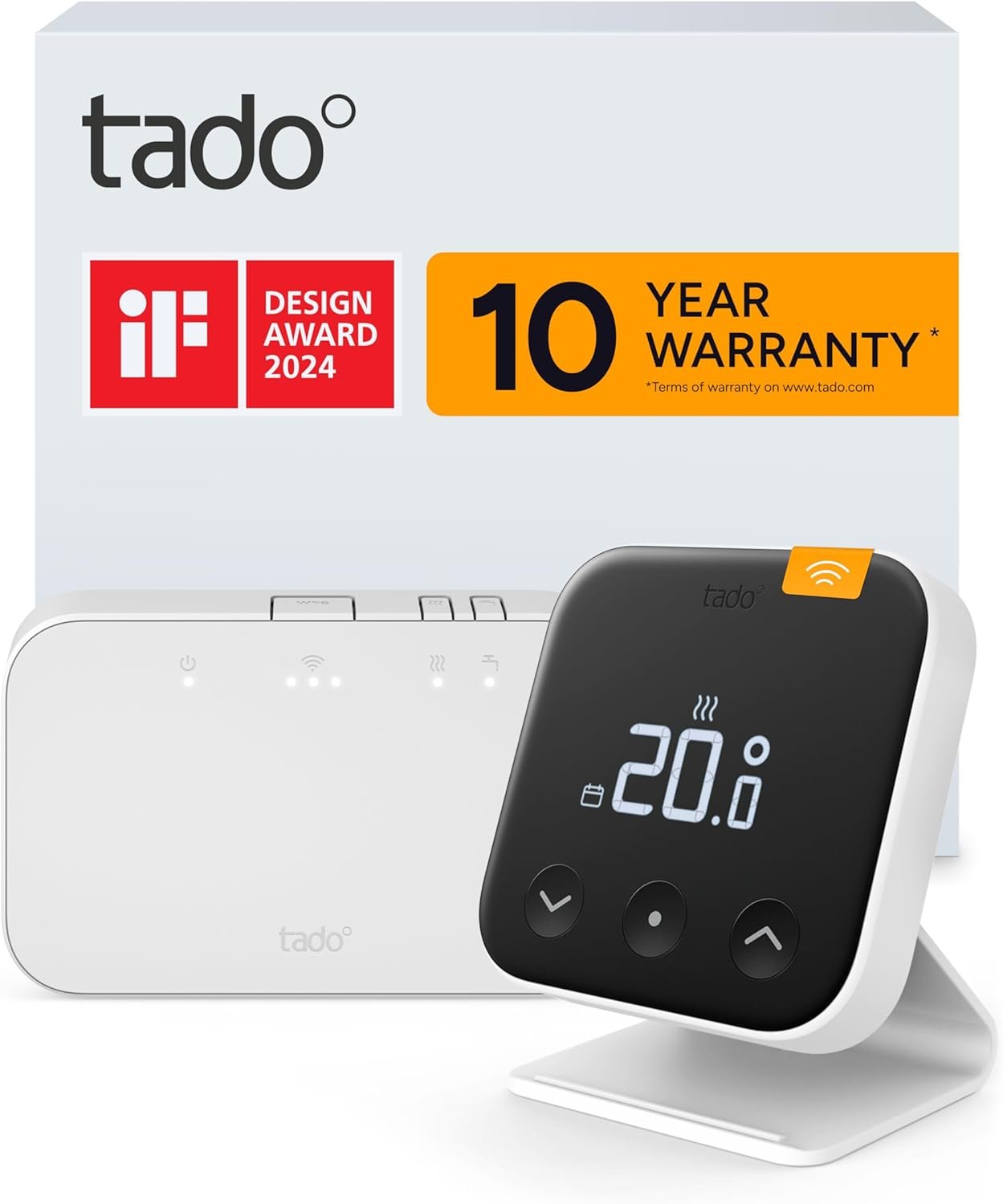
tado° Smart Thermostat X
Best for: Homes that want better schedules, app control and the option to add smart radiator valves later.
tado° is a strong first upgrade if your current heating controls are basic or awkward. It can help you understand and reduce wasted heating before deciding whether a full heat pump installation is the right move.
Its main advantage is flexibility. You can start with the thermostat and later add smart TRVs in rooms that overheat, stay cold or are rarely used.
- Excellent app control and scheduling
- Useful energy-saving features
- Strong smart TRV support
- Good for changing household routines
- Clear route into room-by-room control
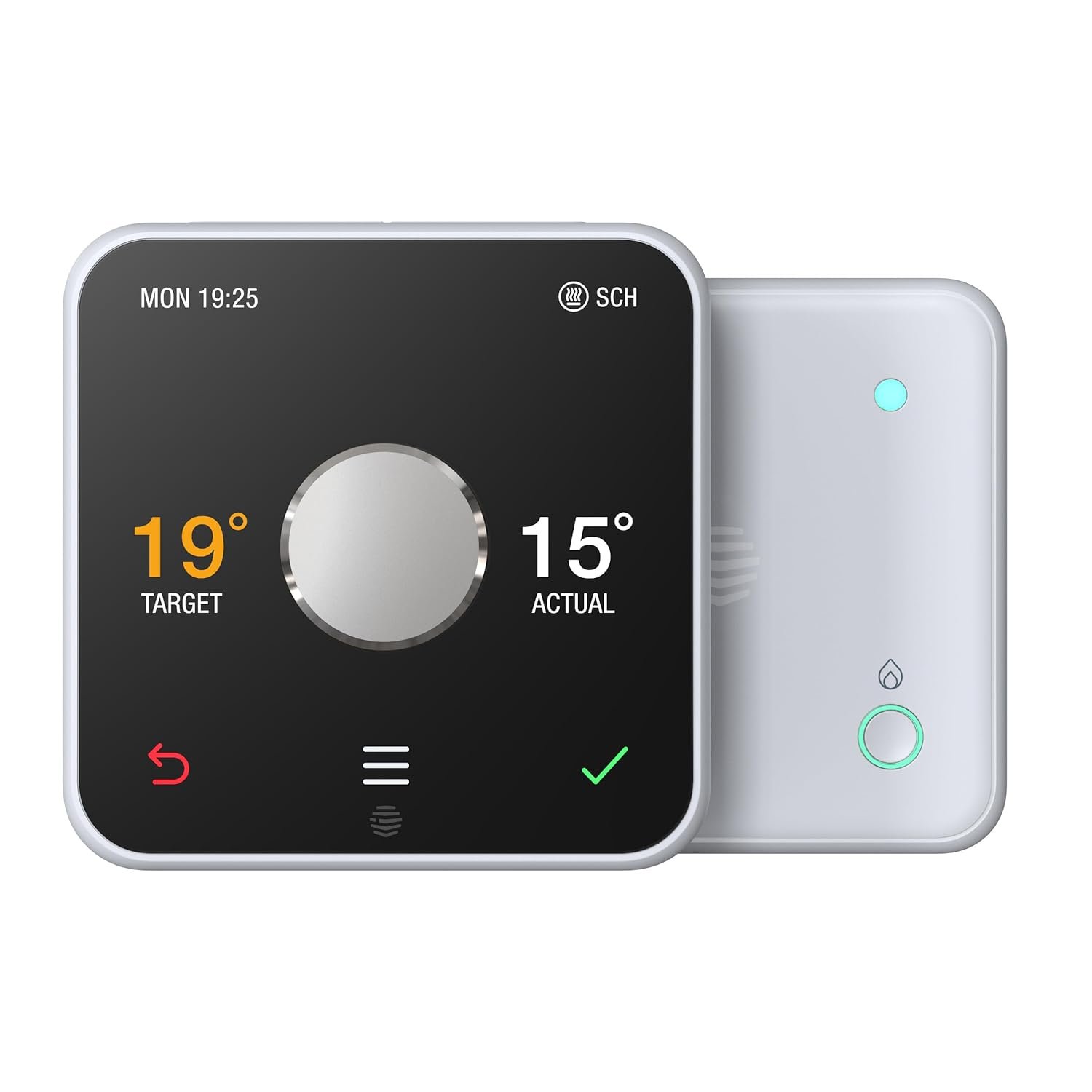
Hive Active Heating
Best for: Homes that want simple app control before making bigger heating decisions.
Hive is a good option if you mainly want to move away from an old timer and make your heating easier to manage. It is especially useful if you want a straightforward smart thermostat without building a more complex system.
- Very easy to use
- Simple app control
- Good upgrade from old timers
- Familiar UK brand
- Useful before bigger heating decisions
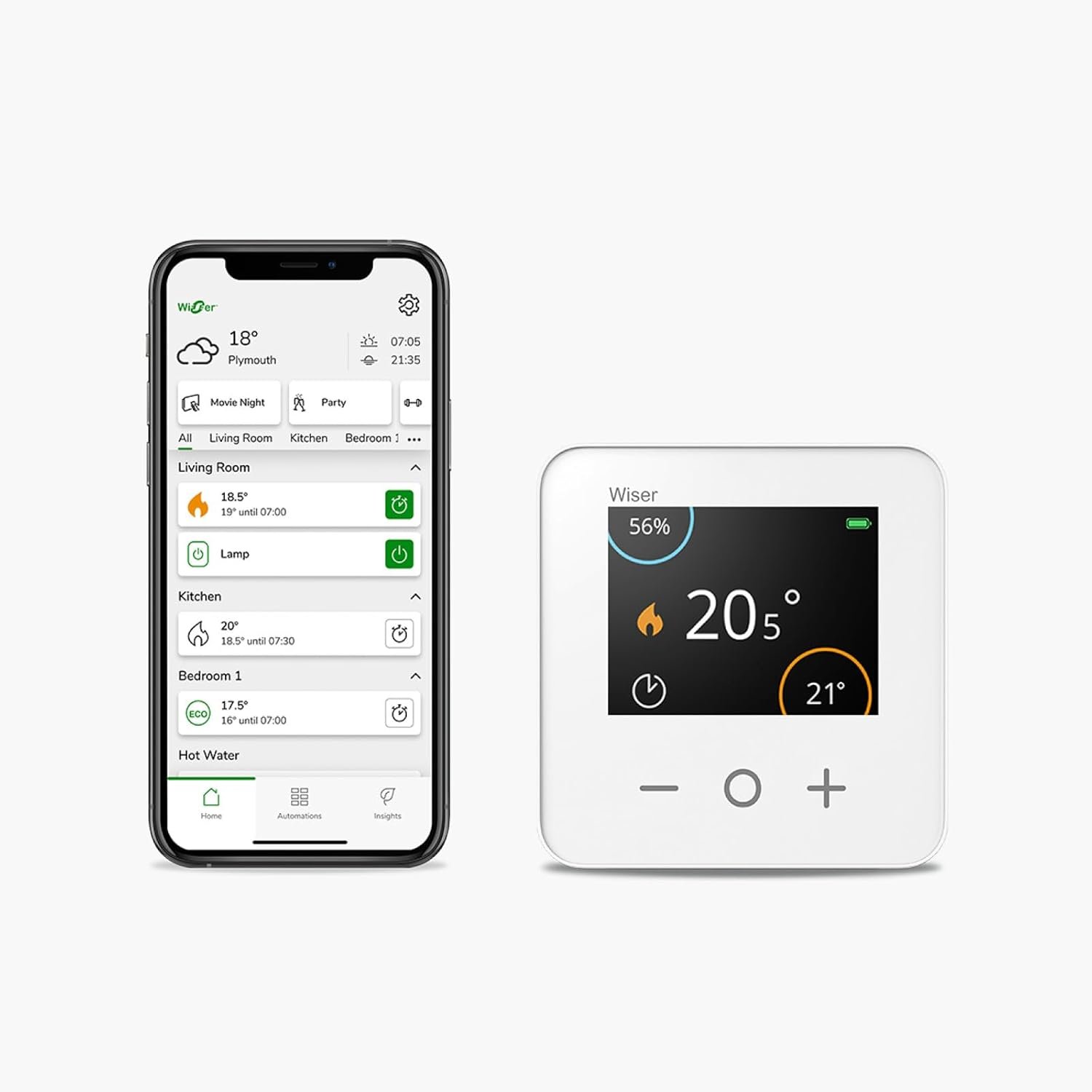
Drayton Wiser
Best for: Homes that want a good-value smart thermostat with a route into room-by-room control.
Drayton Wiser is worth considering if your existing heating wastes energy because different rooms are used at different times. It can be expanded with compatible smart radiator thermostats, making it a useful bridge between basic boiler controls and a more advanced smart heating setup.
- Good value for money
- Strong smart TRV support
- Useful for room-by-room heating
- Good app control
- Expandable over time
Best Smart TRVs Before a Heat Pump
Smart TRVs can help if different rooms are used at different times. For example, you may want the living room warm in the evening, a home office warm during the day and spare bedrooms turned down most of the time.
This can be especially relevant before a heat pump because it helps you understand how your home uses heat room by room.
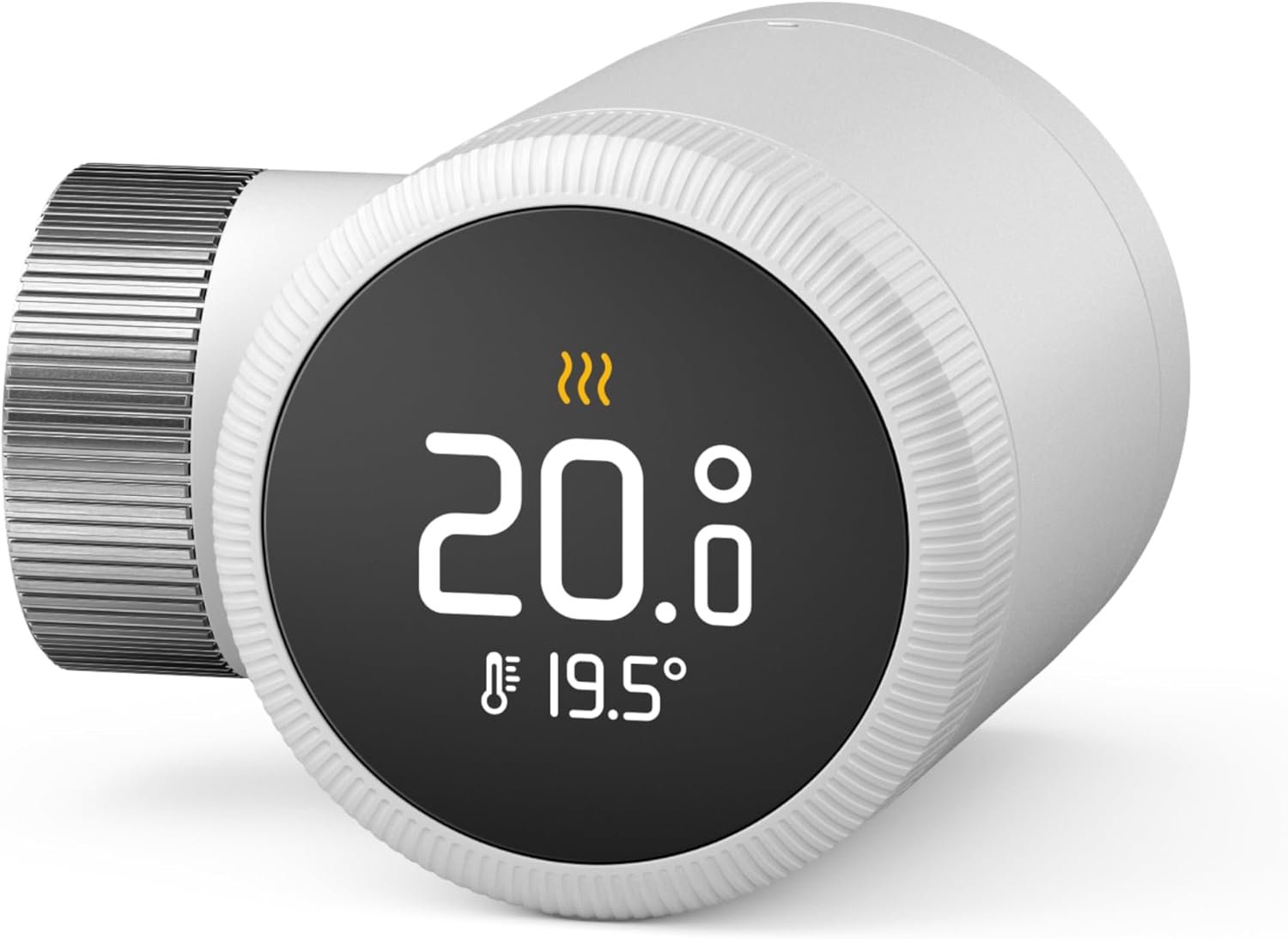
tado° Smart Radiator Thermostat X
Best for: Homes that want room-by-room control and may already use or plan to use tado° smart heating controls.
The tado° Smart Radiator Thermostat X is useful if you heat rooms you rarely use or want to understand which rooms need different schedules before committing to a heat pump.
- Excellent room-by-room scheduling
- Strong app control
- Good match with tado° smart thermostats
- Useful for bedrooms, spare rooms and home offices
- Best all-round smart TRV choice for most homes
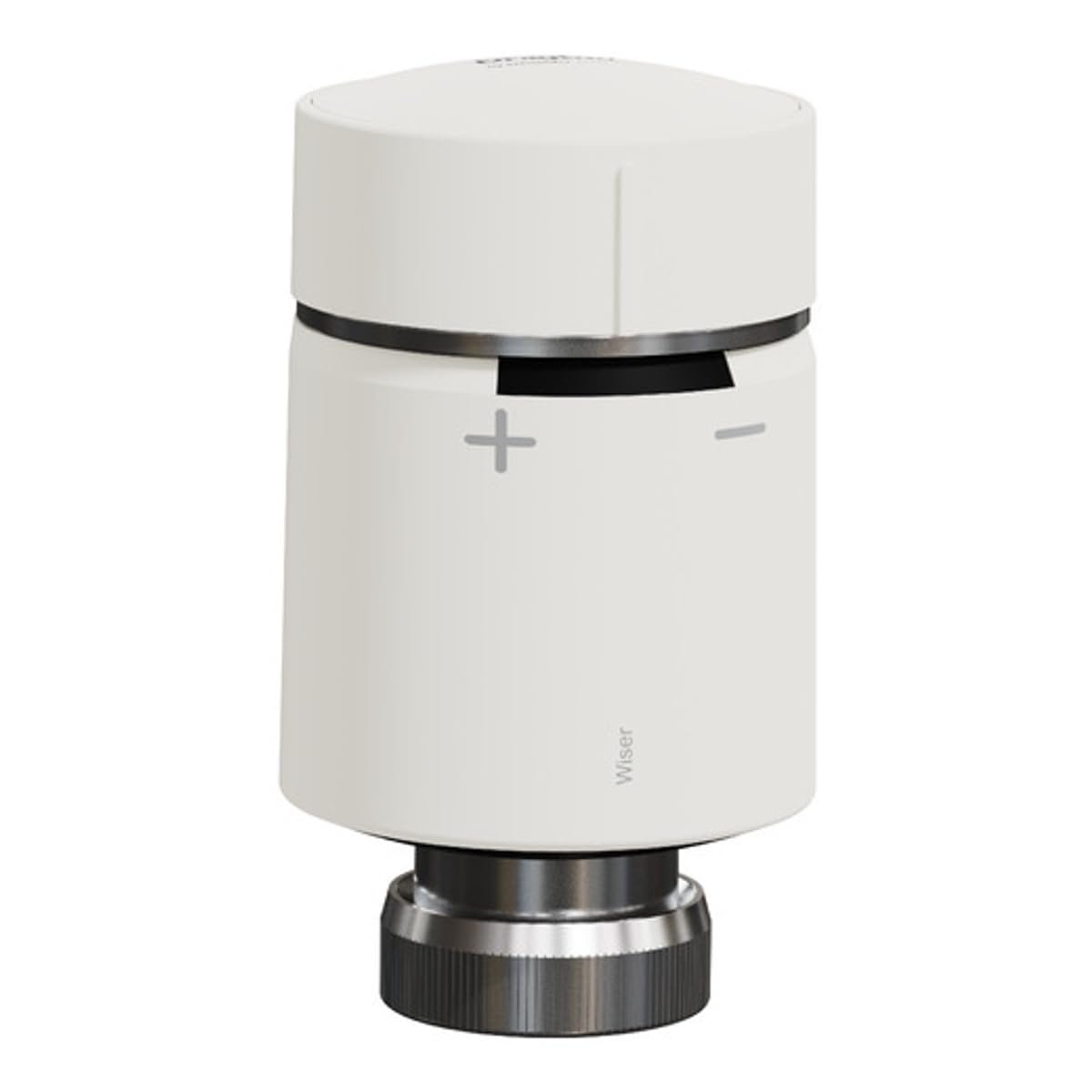
Drayton Wiser Smart Radiator Thermostat
Best for: Homes that want smart room control across several radiators without paying premium prices.
Drayton Wiser smart radiator thermostats are a good value route into room-by-room control. They make sense if you want to test better zoning across several rooms before making a larger heating system decision.
- Good value for multiple rooms
- Useful room-by-room scheduling
- Strong match with Drayton Wiser controls
- Good for family homes and spare rooms
- Practical upgrade path over time
Energy Monitors Before a Heat Pump
If you are considering a heat pump, it helps to understand your current electricity use. A heat pump will usually increase electricity consumption while reducing or removing gas use, so knowing your baseline can make later comparisons easier.
Energy monitoring can help you understand:
- Your current electricity use
- How much energy appliances use
- Whether your tariff suits your lifestyle
- How much usage may shift if you later install a heat pump
- Whether solar, battery storage or smart tariffs may be worth exploring later
Lower-Cost Heating Upgrades Before a Heat Pump
If you are not ready for a heat pump, these lower-cost upgrades can help you understand and control your existing heating first.
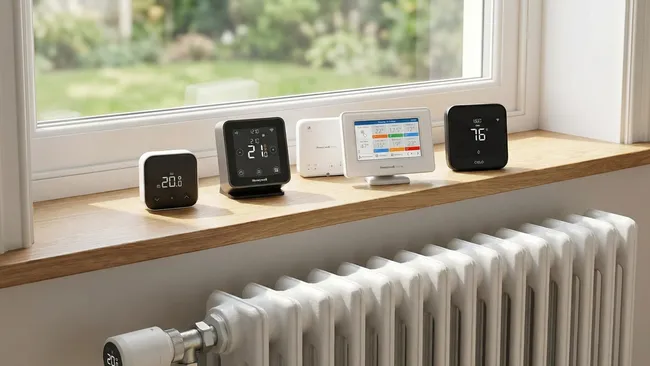
Smart Thermostats
Best for better schedules, app control and whole-home heating management.
Compare Thermostats →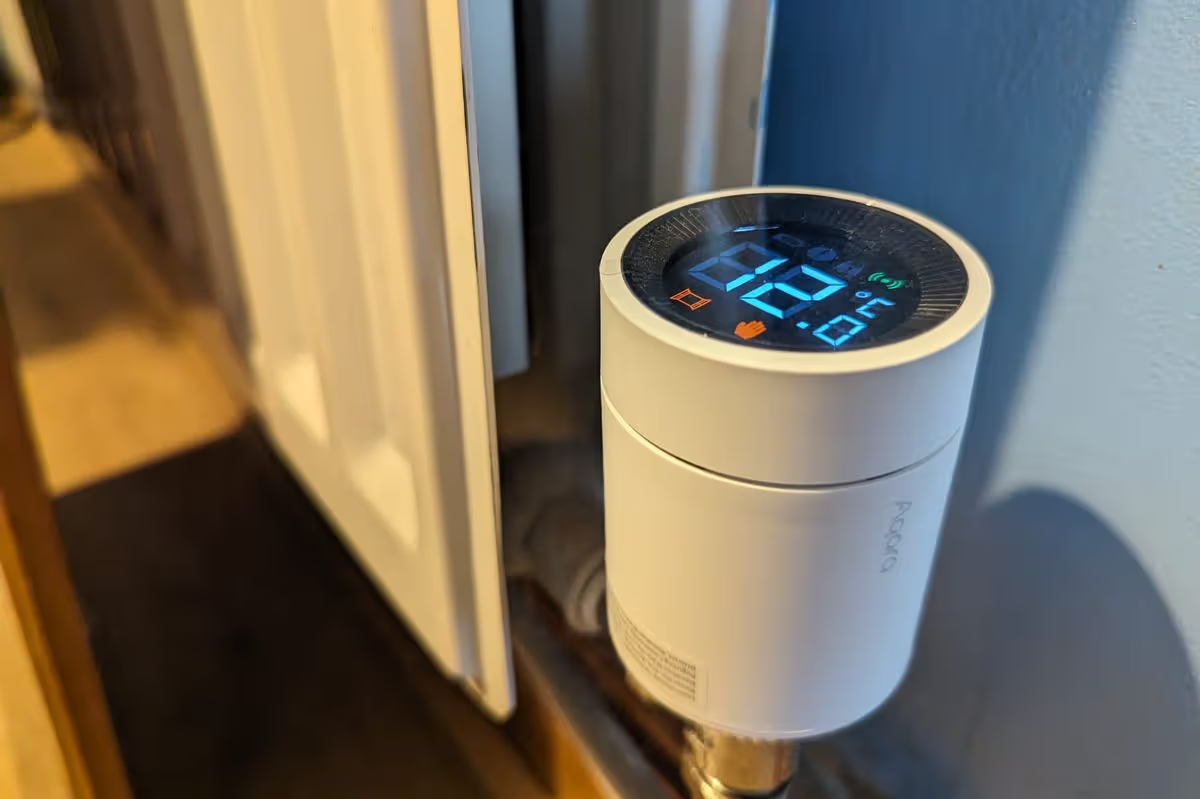
Smart TRVs
Best for room-by-room heating control, especially if some rooms are rarely used.
Compare Smart TRVs →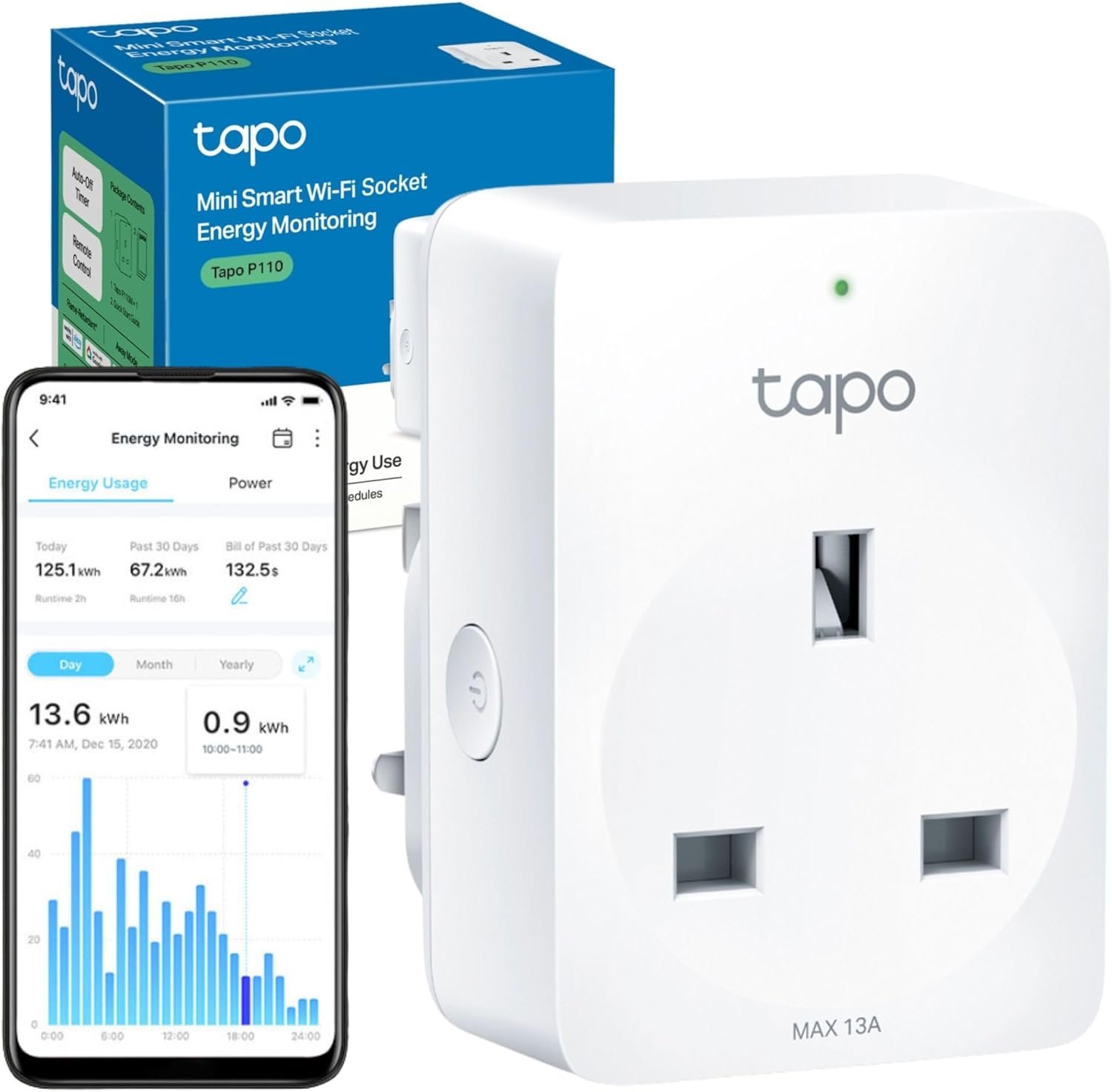
Energy Monitors
Best for understanding electricity use before moving more of your heating onto electric.
See Energy Monitors →When Smart Controls Will Not Be Enough
Smart controls can help reduce waste, but they will not solve every heating problem.
They are unlikely to fix:
- Poor insulation
- Major draughts
- Undersized radiators
- An inefficient or failing boiler
- Very uneven heating caused by poor system design
- High bills caused mainly by fuel prices rather than control habits
- A home that needs major heat loss improvements before any new heating system
If your home is already difficult to heat, smart controls may help you understand the problem, but you may still need broader heating or insulation improvements.
Final Verdict: Which Comes First?
If your boiler is old, your home is suitable and your priority is reducing carbon emissions, a heat pump may be the right long-term choice.
But if your boiler still works and your main aim is to reduce wasted heat, smart heating controls may be the better first step. They are cheaper, easier to trial and can help you understand how your home actually uses heat before you decide whether to spend thousands on a heat pump.
Best first move for many homeowners
Improve control first, learn how your home behaves, then decide whether a heat pump is the right long-term upgrade.
Compare Up to 3 Heat Pump Installers Near You
Tell us a little about your property to see installer options available in your area.
Free to use with no obligation
Not Ready for a Heat Pump Yet?
Start by improving how your current heating is controlled. Smart thermostats, smart radiator valves and energy monitors can help you reduce waste and make a better decision later.
Frequently asked questions
Should I get a heat pump or smart heating controls first?
If your boiler is old and you want to move away from gas, a heat pump may be worth exploring. If your boiler still works and you mainly want to reduce wasted heating, smart controls may be a lower-cost first step.
Can smart heating controls replace a heat pump?
No. Smart controls do not replace a heat pump. They help manage your current heating system more effectively, while a heat pump changes the way your home is heated.
Why do some people not save money with a heat pump?
Savings can be affected by poor system design, high flow temperatures, unsuitable radiators, poor commissioning, electricity tariffs, home insulation and unrealistic expectations.
Are smart radiator valves worth buying before a heat pump?
They may be useful if you heat rooms you rarely use or want better room-by-room control. They will not fix major insulation or heating design problems, but they can help reduce wasted heating in some homes.
Can smart thermostats guarantee lower bills?
No heating control can guarantee lower bills. The benefit depends on your home, system compatibility, heating habits and how well the controls are used.
Is this saying heat pumps are not worth it?
No. Heat pumps can be worth it when the home is suitable and the system is designed well. This guide simply explains why smart controls may be a sensible lower-cost step for homeowners who are not ready for a full heat pump installation.
Related guides
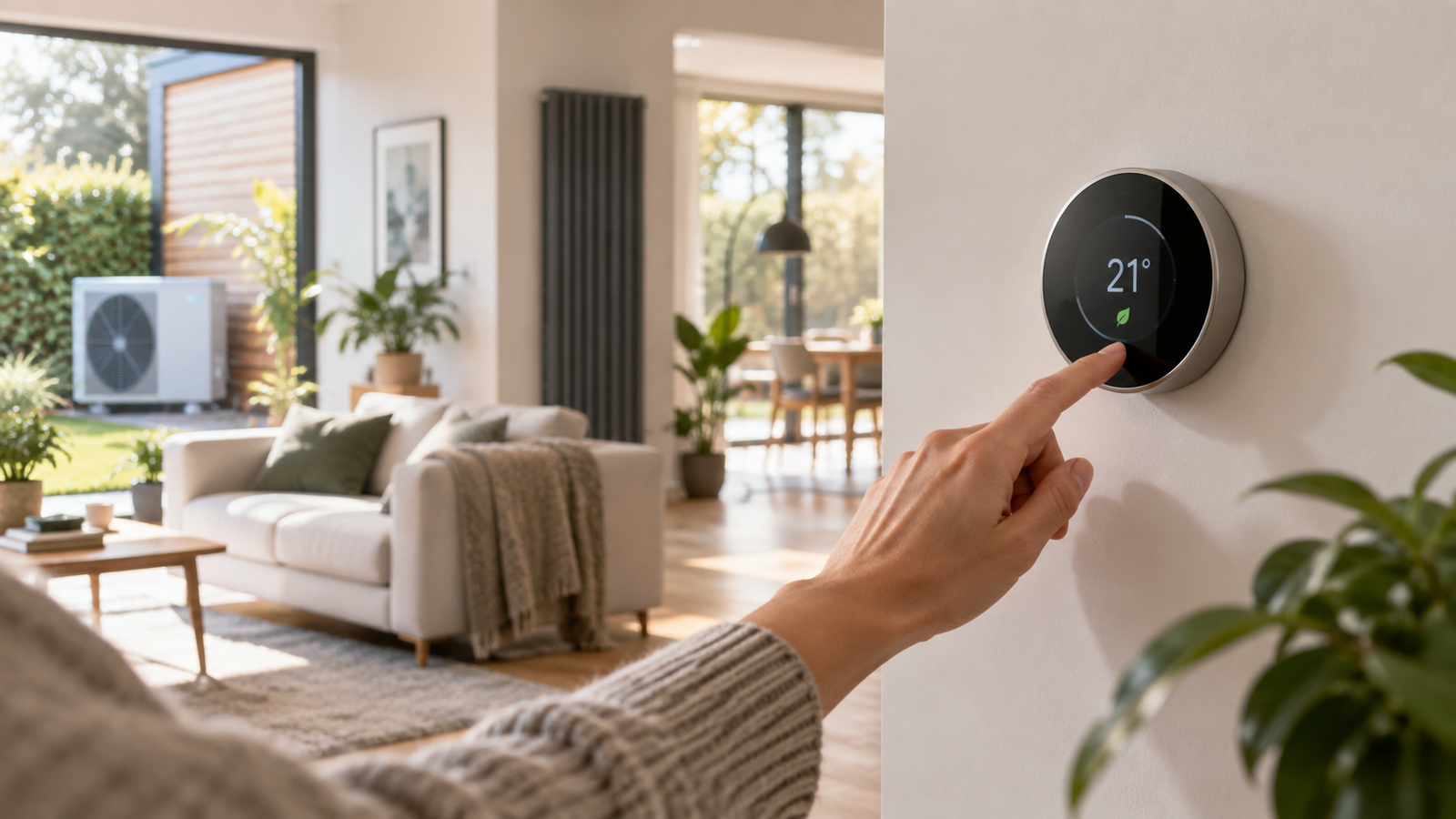 Best Smart Thermostats for Heat Pumps
Best Smart TRVs for Heat Pumps UK
Best Smart Thermostats for Heat Pumps
Best Smart TRVs for Heat Pumps UK
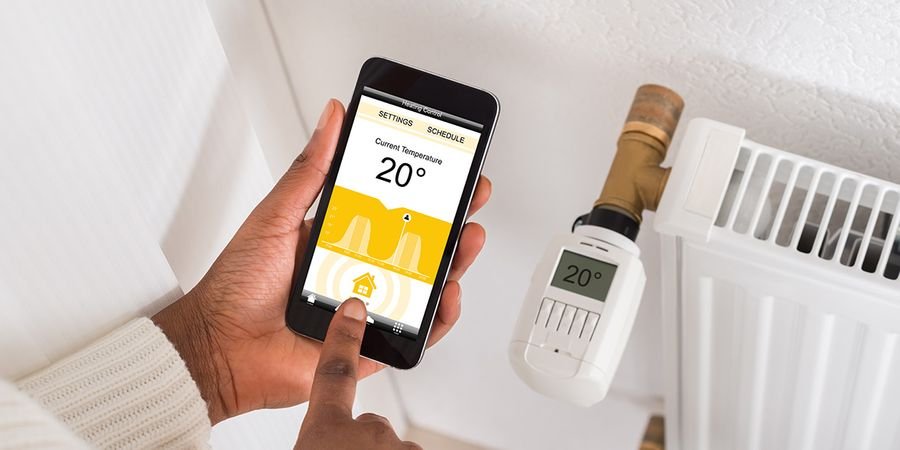 Smart Thermostat vs Smart TRV
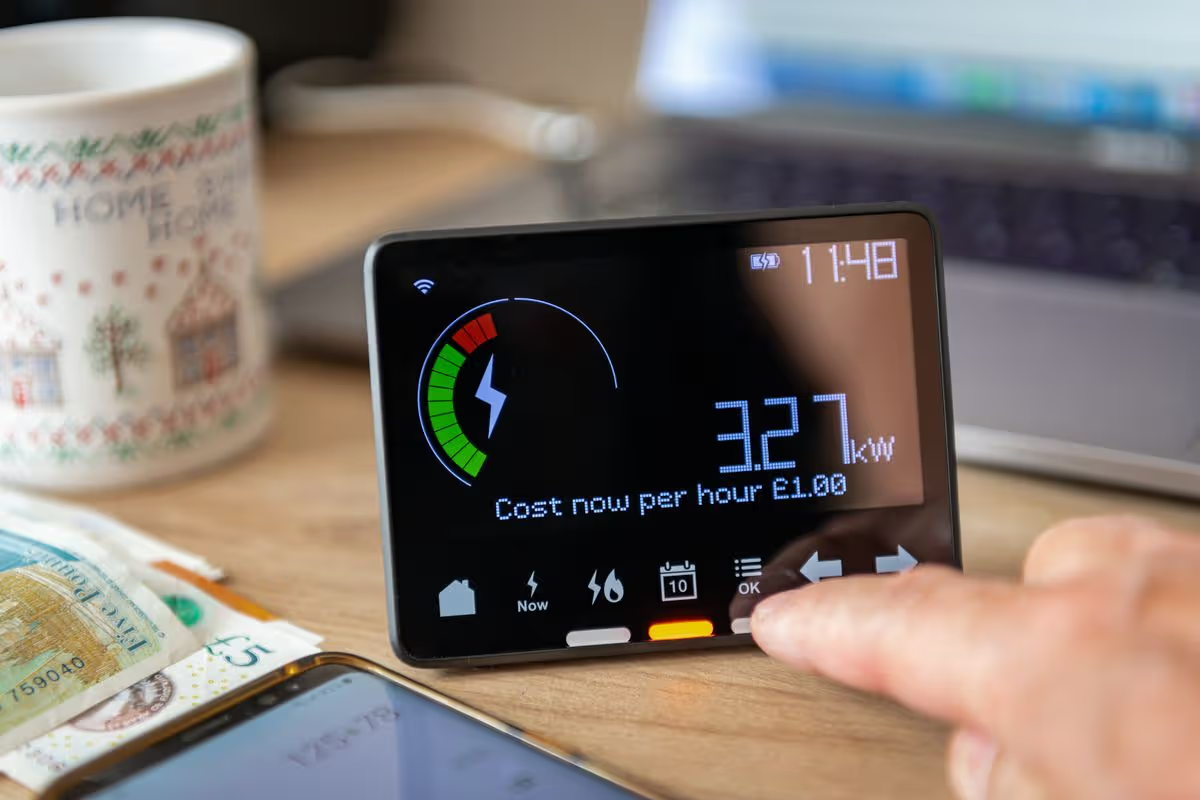 Do Smart Thermostats Save Money?
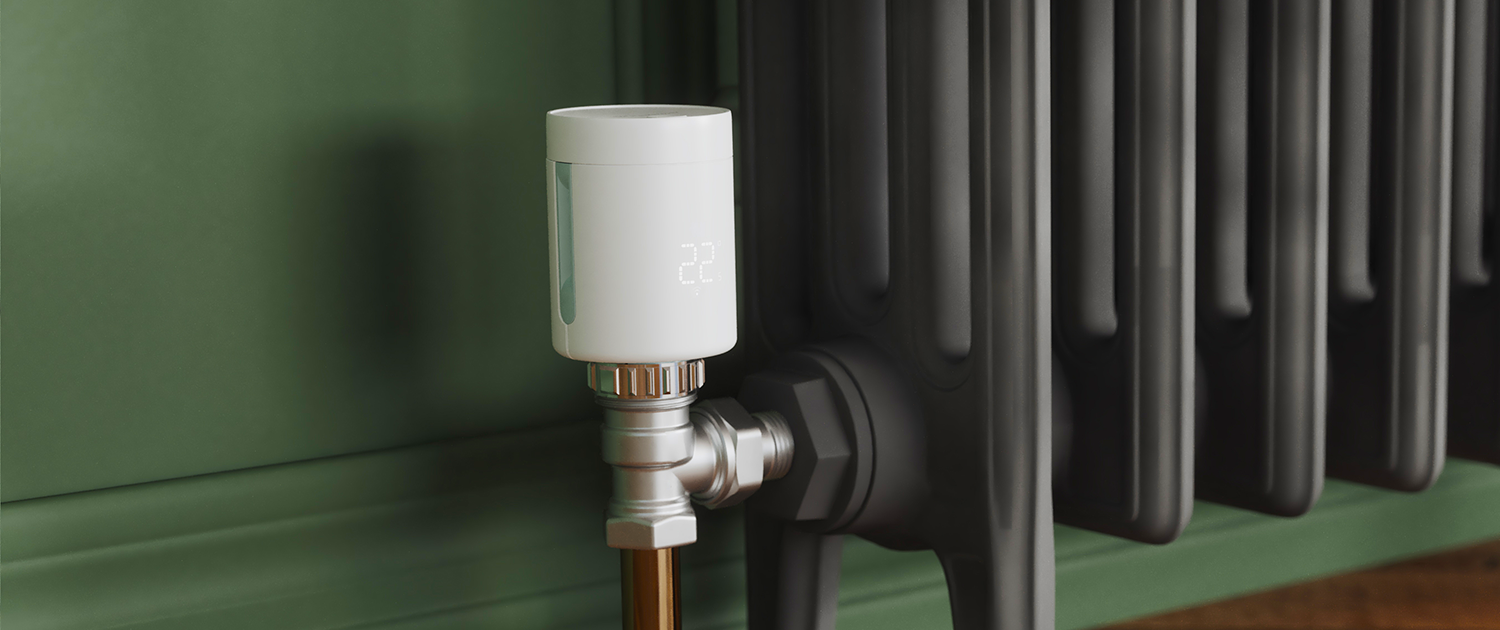 Are Smart TRVs Worth It?
 Best Heat Pump Accessories
 Are Heat Pumps Worth It?
 Heat Pump Running Costs UK
 Gas Boiler to Heat Pump UK
 Combi Boiler to Heat Pump UK
 Do You Need New Radiators for a Heat Pump?