
Do You Need Insulation Before Getting a Heat Pump?
Insulation is no longer a condition of the heat pump grant, and heat pumps work in every type of UK home. But how well your home holds heat still decides the size of heat pump you need, how many radiators change and what it costs to run. Here is what to do first, what can wait and what help is available.
- Grant rules checked 1 November 2026
- Ofgem, GOV.UK and Energy Saving Trust sources
- Independent research

Quick answer: do you need to insulate first?
See what to do firstNo, you do not have to insulate before getting a heat pump, and you do not need insulation to get the £7,500 Boiler Upgrade Scheme grant. But doing the cheap, simple measures first, such as topping up loft insulation, filling empty cavity walls and fixing draughts, usually means a smaller heat pump, fewer radiator changes and lower running costs.
Not a grant condition
Since 8 May 2024 you no longer need to fix loft or cavity wall recommendations to get the Boiler Upgrade Scheme grant. Since 28 April 2026 you do not need a valid EPC either.
Cheap measures first
Loft top-ups, cavity wall insulation and draught-proofing are usually low cost and quick, and they reduce the heat your new system has to supply.
Plan the big jobs
Expensive work such as solid wall insulation or new windows does not need to come first, but tell your installer if you plan it, so the heat pump is sized sensibly.
Heat pumps work in older and less insulated homes. A government-funded trial installed 742 heat pumps across Great Britain, including Victorian mid-terraces, and found no property type or era that was unsuitable. Older homes needed more careful design, not a different answer.
What the rules say about insulation in 2026
Older advice online often says you must insulate before you can get a heat pump grant. That has not been true since May 2024.
| Rule | Current position | Since |
|---|---|---|
| Loft and cavity wall insulation for the Boiler Upgrade Scheme | No longer required. Outstanding loft or cavity wall recommendations on an EPC do not stop you getting the grant. | 8 May 2024 |
| EPC for the Boiler Upgrade Scheme | No longer a standing requirement for existing homes. If you have a valid EPC, your installer still gives its number; if not, they provide other evidence such as bills or photos. | 28 April 2026 |
| Heat loss calculation | Still essential. MCS-certified installers design the system from a room-by-room heat loss survey, and that is where your insulation shows up. | Ongoing |
| Boiler Upgrade Scheme end date | Extended to 2030. | Ofgem guidance, April 2026 |
The grant itself is £7,500 for an air source or ground source heat pump in England and Wales, and £9,000 for eligible homes replacing oil or LPG until 31 March 2027. Our heat pump grants guide covers who qualifies.
Why insulation still matters for a heat pump
A heat pump is sized to replace the heat your home loses on a cold day. Less heat loss means a smaller unit, cooler radiators and less electricity, whatever system you use.
Smaller heat pump
Lower heat loss can mean a smaller outdoor unit, which is usually cheaper to buy and easier to place. Our sizing guide explains how output is worked out.
Fewer radiator changes
Heat pumps are most efficient at low flow temperatures. In a better-insulated room, an existing radiator is more likely to keep up at those temperatures. See do you need new radiators?
Lower running costs
Less heat lost means less heat to replace, and the lower flow temperature lifts the heat pump’s SCOP. How much you save depends on your home and tariff; see our running costs guide.
More comfort
Fewer draughts and warmer walls make rooms feel more comfortable at the same thermostat setting, with any heating system.
The Energy Saving Trust says heat pumps work in less insulated homes but are most efficient in well-insulated ones, which is true of any heating system. Where insulation is not practical, a good installer designs around it, for example with larger radiators or a high-temperature heat pump.
What to insulate first: a practical order
Start with the measures that are cheap, quick and low risk. Leave the expensive, disruptive ones until you know whether they are worth it for your home.
| Measure | Cost and disruption | Before a heat pump? |
|---|---|---|
| Draught-proofing (doors, windows, loft hatch, floorboards) | Low cost; often DIY | Yes, almost always. Keep vents and extractor fans working. |
| Loft insulation top-up (to around 270mm) | Low cost; a few hours | Yes, if your loft has less than this. |
| Cavity wall insulation | Moderate cost; a day or two | Yes, if the cavity is empty and suitable. The Energy Saving Trust says it should pay back in five years or less. |
| Hot water cylinder and pipe insulation | Low cost | Yes. A new heat pump cylinder will be well insulated; lag exposed pipes in unheated spaces. |
| Suspended timber floor insulation | Moderate cost; disruptive unless floors are already up | Worth it if you are doing other floor work. |
| Window upgrades | High cost | Replace failed or single glazing if you can; otherwise not needed first. |
| Solid wall insulation (internal or external) | High cost; very disruptive | Usually not first. Often better value to size the heat pump and radiators for the walls you have. |
Around a third of the heat in an uninsulated home escapes through the walls, according to the Energy Saving Trust, so walls matter. But solid wall insulation is expensive, and the government’s Warm Homes Plan now says it has become less viable because of supply-chain costs. For many solid-wall homes, the practical route is a well-designed heat pump with larger radiators, plus loft, floor and draught work.
Compare Up to 3 Heat Pump Installers Near You
Tell us a little about your property to see installer options available in your area.
Free to use with no obligation
How insulation shows up in your heat loss survey
Your installer’s heat loss calculation is where insulation turns into a heat pump size. Tell them exactly what you have and what you plan.
Have this ready for the surveyor
- Loft insulation depth, and whether any rooms are in the roof
- Whether cavity walls are filled, and when
- Window types and any single glazing
- Floors: solid or suspended timber
- Rooms that are hard to heat or draughty now
- Any insulation work you plan in the next two years
Questions to ask your installer
- What heat loss figure did you calculate, and what does insulation change?
- Would topping up the loft or filling the cavity let you fit a smaller unit?
- Which radiators need changing at your design flow temperature?
- If I insulate later, will this heat pump still suit the house?
- What did you assume for air leakage and ventilation?
Read more in our heat loss survey guide, and see the installation process for what happens next.
Insulate first or heat pump first?
Do the quick, cheap measures before your heat loss survey, and tell your installer about any bigger work you plan. That way the heat pump is sized for the home you will actually have.
Why do the cheap measures first
- The survey reflects lower heat loss, so the heat pump can be smaller.
- Fewer radiators may need changing.
- Loft, cavity and draught work is quick, so it rarely delays the project.
Why not wait for everything
- Big projects such as solid wall insulation can take years to fund and plan.
- A heat pump sized for today’s heat loss still heats your home properly.
- The grant does not depend on insulation, so waiting gains nothing on that front.
The one thing to avoid: installing a heat pump sized for a draughty, uninsulated house and then insulating heavily straight afterwards. The unit can end up larger than you need, which costs more and can lead to short-cycling. If big insulation work is planned within a year or two, ask your installer to design for it.
Damp and ventilation: insulate safely
Sealing a home up without thinking about moisture can cause condensation and mould. A few rules keep insulation work safe.
- Fix any existing damp before insulating walls. The Energy Saving Trust says walls with internal damp patches should not be insulated until the cause is sorted.
- Do not block airbricks, wall vents or window trickle vents. Installers must leave intentional ventilation open.
- Make sure kitchen and bathroom extractor fans work, and use them.
- Ask for a survey before cavity wall insulation. Cavities that are narrow, full of rubble or on walls exposed to driving rain may not be suitable.
- Use registered installers who offer a guarantee for insulation work.
Grants and loans for insulation and heat pumps in 2026
The support available has changed a lot this year. Here is where things stand, checked 1 November 2026. Schemes differ in Scotland, Wales and Northern Ireland.
| Scheme | What it covers | Who can get it | Status |
|---|---|---|---|
| Boiler Upgrade Scheme | £7,500 towards a heat pump (£9,000 for eligible oil and LPG homes until 31 March 2027). Not insulation. | Property owners in England and Wales replacing fossil fuel heating | Open; extended to 2030 |
| Warm Homes: Local Grant | Insulation, heating, solar and other upgrades | Low-income households in England in homes rated EPC D to G, through councils | Open where your council takes part |
| ECO4 | Insulation and heating, funded by energy suppliers | Mainly low-income and benefit-receiving households | Ends 31 December 2026; no successor scheme |
| Great British Insulation Scheme | Single insulation measures | n/a | Closed 31 March 2026 |
| Warm Homes Loan Scheme | No- and low-interest loans for heat pumps (up to £20,000), solar and batteries. Insulation is not listed. | Households across the UK, subject to lender checks | First lenders live from autumn 2026 |
For full eligibility rules, see our heat pump grants guide and, for oil and LPG homes, the £9,000 grant explainer.
Frequently asked questions
Will a heat pump work in a house with no insulation?
Yes, if it is designed properly. A government-funded trial of 742 installations found no property type or era that was unsuitable, though older homes needed more careful design. In a poorly insulated home you may need a larger heat pump or bigger radiators, and running costs will be higher than in the same home with insulation.
Do I need cavity wall or loft insulation to get the Boiler Upgrade Scheme grant?
No. The requirement to have no outstanding loft or cavity wall insulation recommendations was removed on 8 May 2024.
Do I need an EPC to get a heat pump grant?
Not any more for existing homes. From 28 April 2026, Ofgem’s guidance says a valid EPC is no longer a standing requirement. If you have one, your installer gives its number; if not, they provide other evidence.
Should I insulate before or after getting a heat pump?
Do the cheap, quick measures such as loft top-ups, cavity wall insulation and draught-proofing before your heat loss survey. For bigger projects, tell your installer what you plan so they can size the heat pump sensibly.
Is solid wall insulation worth doing before a heat pump?
Not usually as a first step. It is expensive and disruptive. For many solid-wall homes, a well-designed heat pump with larger radiators, plus loft, floor and draught work, is better value. Consider it when you are doing other major work, such as re-rendering or refurbishing rooms.
Can insulation cause damp?
It can if it is fitted badly or blocks ventilation. Fix existing damp first, keep airbricks and trickle vents open, use extractor fans and choose a registered installer who surveys the property first.
Related guides
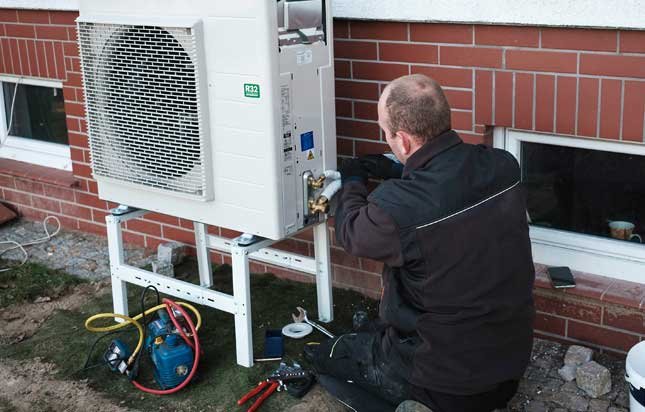 Heat Loss Survey for Heat PumpsWhat the calculation includes
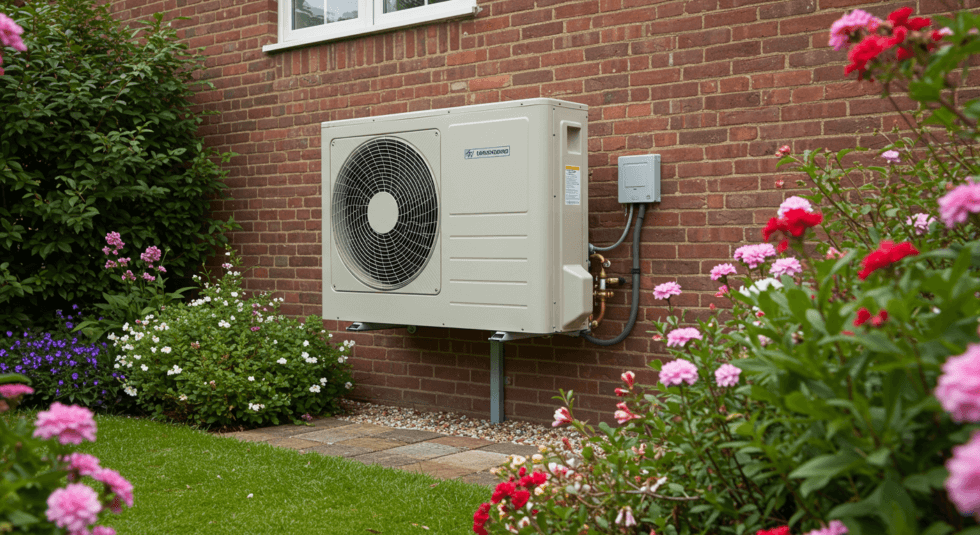 What Size Heat Pump Do I Need?How output is worked out
 Do You Need New Radiators?Checking your emitters
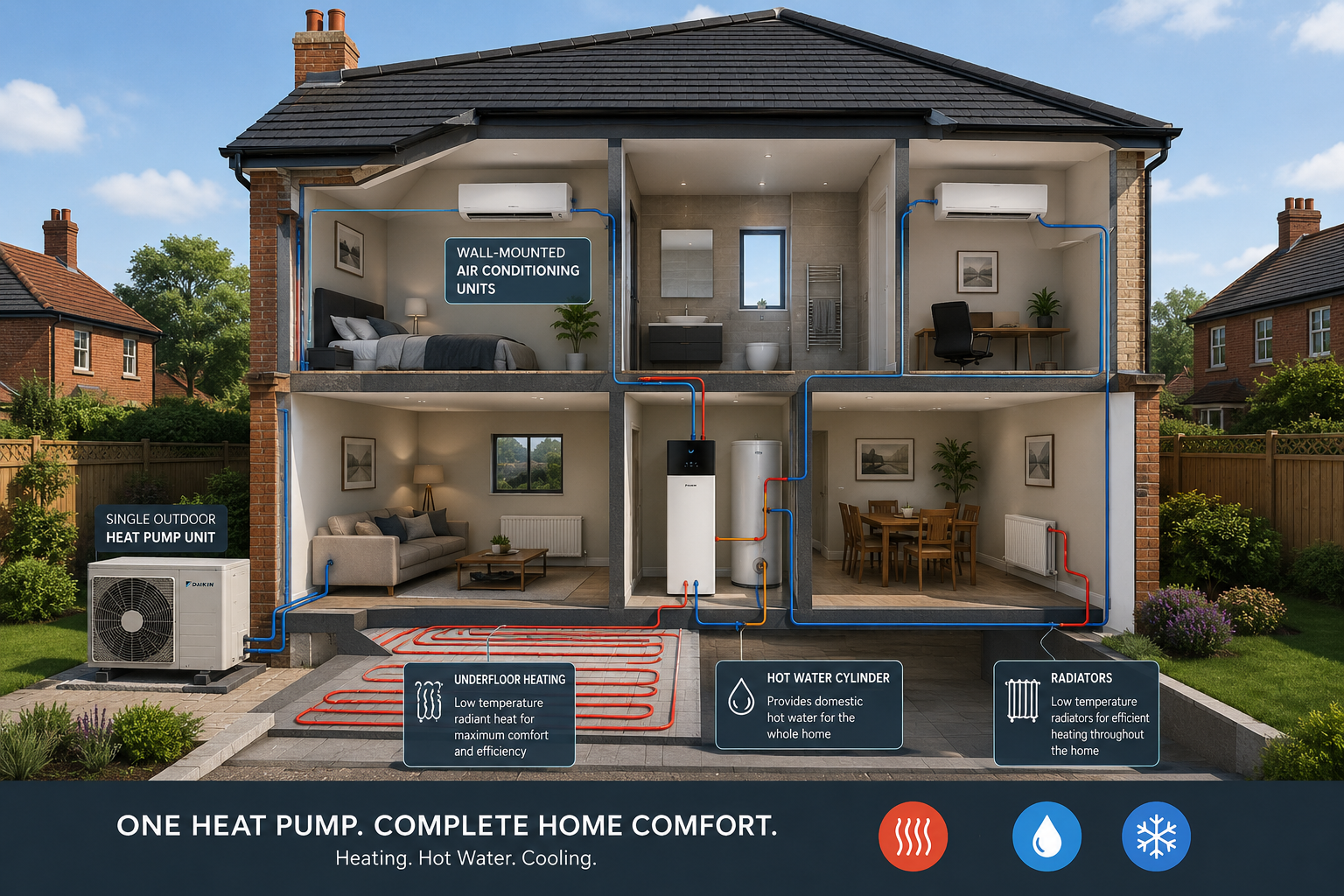 Best Upgrades Before Replacing Your BoilerControls, radiators and heat loss
 Heat Pump Grants UKBoiler Upgrade Scheme and other support
 Are Heat Pumps Worth It?Pros, cons and suitability
Sources and further reading
All sources checked on 1 November 2026. Grant and scheme rules change, so check the current position before committing to work.
- Ofgem: Summary of updates to Boiler Upgrade Scheme guidance for installers, version 5 (April 2026)
- MCS: Changes to the Boiler Upgrade Scheme (insulation requirement removed, May 2024)
- GOV.UK: Boiler Upgrade Scheme eligibility
- GOV.UK: Warm Homes Plan
- GOV.UK: Extending the ECO4 end date, government response (January 2026)
- GOV.UK: Warm Homes Loan Scheme factsheet (October 2026)
- Energy Systems Catapult: Electrification of Heat trial finds heat pumps suitable for all housing types
- Energy Saving Trust: Heat pumps are suitable for all property types
- Energy Saving Trust: Cavity wall insulation
- Energy Saving Trust: Roof and loft insulation