
Can One Heat Pump Provide Heating, Hot Water and Air Conditioning?
Most UK heat pumps are designed to provide central heating and hot water. Newer combined systems are starting to offer heating, hot water and air conditioning from one outdoor unit. This guide explains how they work, who they may suit and whether UK homeowners should wait.
- UK homeowner advice
- Covers heating, hot water and cooling
- Updated for 2026

Quick Answer
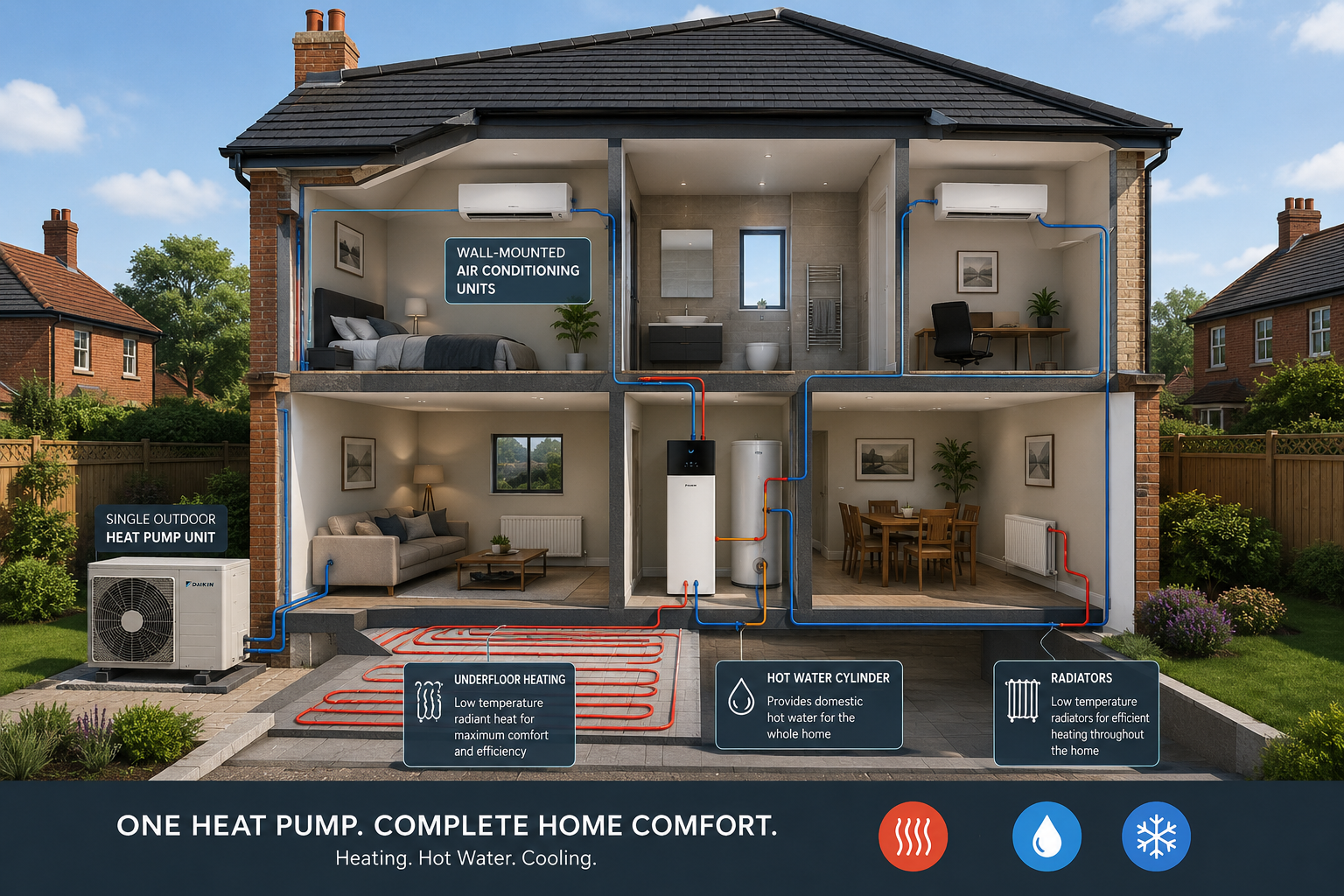
Yes, one heat pump can provide heating, hot water and air conditioning, but only if it is specifically designed as a combined or mixed system.
Most air source heat pumps installed in the UK are air-to-water systems. They heat water for radiators, underfloor heating and hot water cylinders. They normally do not provide air conditioning.
Some newer systems combine air-to-water heat pump technology with air-to-air indoor units. This means one outdoor unit can potentially support central heating, domestic hot water and room cooling.
The key point
For most UK homeowners, a standard air-to-water heat pump is still the simpler boiler replacement. Combined systems are most interesting if you are also considering air conditioning, renovating your home or planning a whole-home comfort upgrade.
Compare Current Heat Pumps →What Is a Combined Heating, Hot Water and Cooling Heat Pump?
A combined heating, hot water and cooling heat pump is a system designed to handle more than one job around the home.
Instead of only replacing your boiler, it may be able to:
- Heat your home in winter
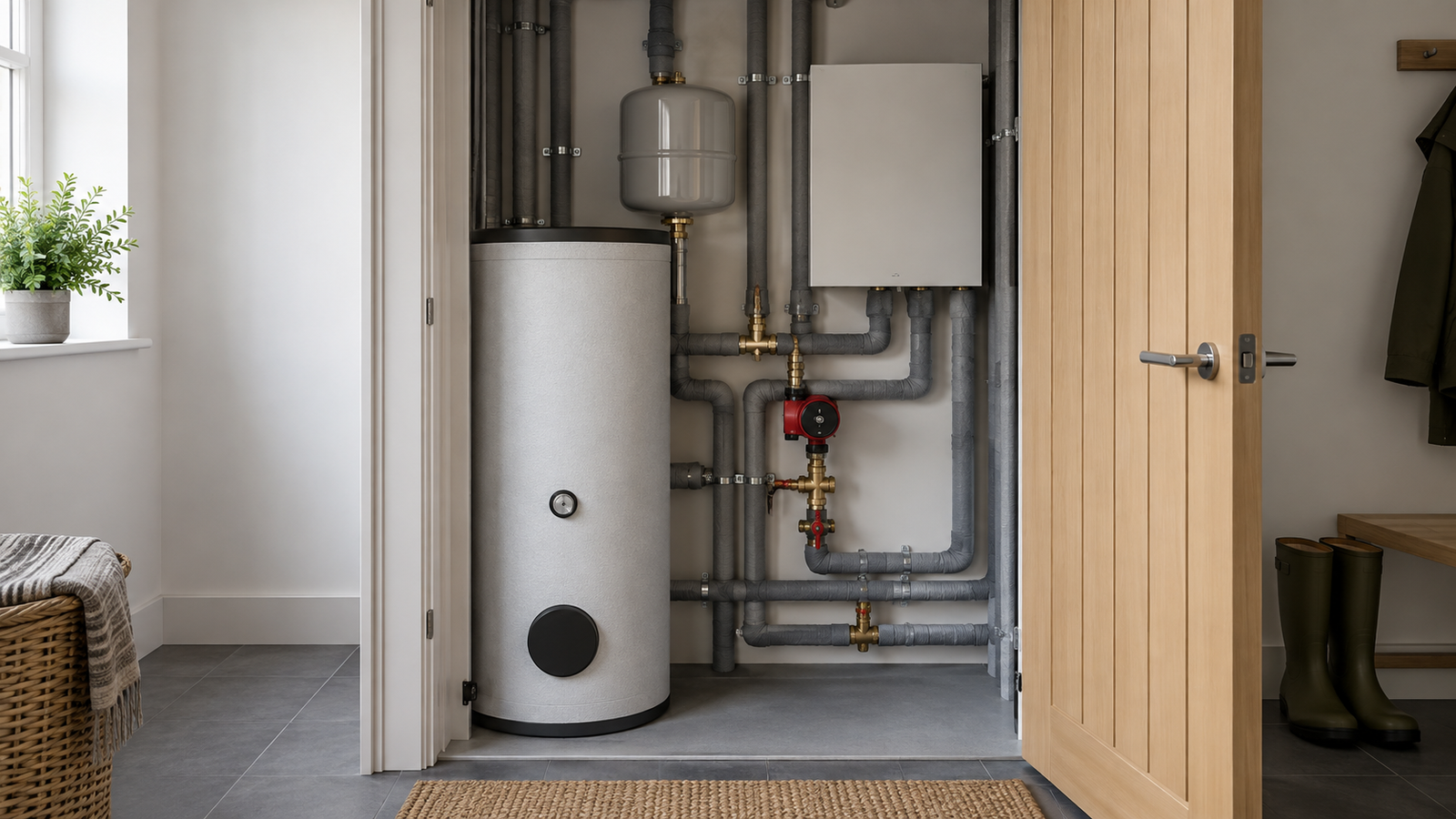
- Heat your domestic hot water cylinder
- Provide cooling in selected rooms during summer
- Give room-by-room control using indoor air units
This is different from a standard UK air source heat pump installation, which usually connects to radiators, underfloor heating and a hot water cylinder.
The main types of air source heat pumps are explained below.
Air-to-water heat pump
An air-to-water heat pump heats water. That water is circulated through radiators, underfloor heating or a hot water cylinder.
This is the most common type of heat pump used to replace gas, oil and LPG boilers in UK homes.
Air-to-air heat pump
An air-to-air heat pump heats or cools the air directly. These systems use indoor units, often wall-mounted, floor-mounted or ducted.
Air-to-air systems are commonly associated with air conditioning, but many can provide both heating and cooling.
Mixed or combined system
A mixed system brings both ideas together. The air-to-water side deals with wet central heating and hot water, while the air-to-air side provides direct room heating and cooling.
How Does One Outdoor Unit Do Everything?
A heat pump does not create heat in the same way as a boiler. It moves heat from one place to another.
In heating mode, the system extracts heat from the outside air and transfers it into the home. This heat can be used to warm water for radiators, underfloor heating or domestic hot water.
In cooling mode, the process is reversed. Heat is removed from inside the home and released outdoors. That is how air conditioning works.
The main difference with a combined system is that it can serve more than one type of indoor system from the same outdoor unit.
Winter example
- Underfloor heating keeps the ground floor warm.
- Radiators heat upstairs rooms.
- The hot water cylinder is reheated when needed.
- Indoor air units may provide fast top-up heating in selected rooms.
Summer example
- Central heating is off.
- Hot water is still produced by the heat pump.
- Indoor air units cool bedrooms, living rooms or home offices.
- The home can stay comfortable without a separate air conditioning condenser.
Standard Heat Pump vs Combined Heating and Cooling System
The table below shows the practical difference between a normal air source heat pump and a combined system.
| Feature | Standard Air-to-Water Heat Pump | Combined Heating, Hot Water and Cooling System |
|---|---|---|
| Central heating | Yes | Yes |
| Hot water | Yes, with a cylinder | Yes, with a cylinder |
| Air conditioning | Usually no | Yes, where indoor air units are fitted |
| Radiators | Usually supported | Usually supported through the hydraulic side |
| Underfloor heating | Often ideal | Often ideal |
| Outdoor units | Usually one | Potentially one for heating, hot water and cooling |
| Complexity | Lower | Higher |
| Best suited to | Boiler replacement | Renovations, modern homes and homes also considering cooling |
If you simply want to replace your boiler, our guide to the best air source heat pumps in the UK may be a better place to start.
What About Daikin X Series?
Daikin has announced the X Series, a mixed residential heat pump system designed to combine air-to-air heating and cooling with air-to-water hydraulic heating and domestic hot water from one outdoor unit.
According to Daikin, the system is designed for new-build and fully renovated homes up to around 150m². It can connect up to four air-to-air indoor units alongside one Daikin Altherma hydraulic indoor unit for underfloor heating, radiators and domestic hot water.
Daikin says the X Series will launch across Europe in phases from September 2026, with exact availability varying by country.
Important UK note: Homeowners should check UK availability, installer support, grant eligibility and final pricing before making decisions based on this type of system.
The Daikin X Series is useful because it shows where the heat pump market may be heading. However, this guide is not only about one product. The bigger topic is whether UK homes will increasingly use one system for heating, hot water and cooling.
Can You Add Cooling to an Existing Air-to-Water Heat Pump?
Sometimes, but it is not as simple as running cold water through ordinary radiators. Some reversible systems use chilled water with purpose-designed fan-coil units and condensation protection. Other manufacturer-approved cooling designs, including Octopus Cosy Cooler, use the existing pipework differently. Ordinary radiators cannot simply be converted into air conditioners.
Octopus Cosy Cooler: a different approach to retrofit cooling
Octopus Energy announced the Cosy Cooler in October 2026 for homes with compatible existing Cosy heat pumps. The indoor unit connects to the home’s heating pipework, removing heat from room air and transferring that heat through the pipework to the outdoor Cosy heat pump. Octopus has clarified that its system does not circulate chilled water through ordinary radiators. The water is kept at a temperature intended to prevent condensation on radiators. The indoor unit cools the air through a built-in heat exchanger and fan.
Octopus says the add-on is planned for 2027 and is expected to cost £500–£600 when added to an existing Cosy system. Installation is expected to take around three hours. One unit is intended to cool an individual room, while some Cosy heat pump models may support two or three Cooler units at the same time.
This is not a universal heat-pump retrofit. Cosy Cooler has been announced specifically for compatible Octopus Cosy systems and is still being trialled. Octopus has not yet published a full technical datasheet or independent cooling-performance results, so homeowners should not assume the same approach will work with another manufacturer’s heat pump.
It Does Not Turn Radiators Into Air Conditioners
The existing pipework carries chilled water, but cooling is delivered by the dedicated fan-assisted indoor unit. Standard radiators are not being used to blow cold air into the room.
Compatibility Comes First
If you already own an air-to-water heat pump and want cooling, ask the manufacturer or installer whether the outdoor unit supports active cooling and which indoor emitters, controls and condensation arrangements are approved for that system.
Benefits of a Heat Pump That Also Provides Air Conditioning
1. Better comfort all year round
A normal boiler or air-to-water heat pump solves the winter heating problem. It does not solve summer overheating.
Combined systems may be more attractive as UK summers become warmer and homes become better insulated.
2. Less outdoor equipment
If you install a normal heat pump and separate air conditioning, you may end up with more than one outdoor unit.
A combined system may reduce external clutter, which can be useful for terraces, small gardens, side passages and homes where appearance matters.
3. Good fit for renovations
If you are already renovating, exposing floors, replacing radiators or installing underfloor heating, it may be easier to design a complete system from the start.
This is where combined systems may make the most sense.
4. Useful for bedrooms and home offices
Many homeowners do not need cooling in every room. They usually care most about bedrooms, loft rooms, home offices and south-facing living spaces.
A combined system could provide traditional wet heating throughout the home while adding cooling only where it is most useful.
5. Potentially simpler controls
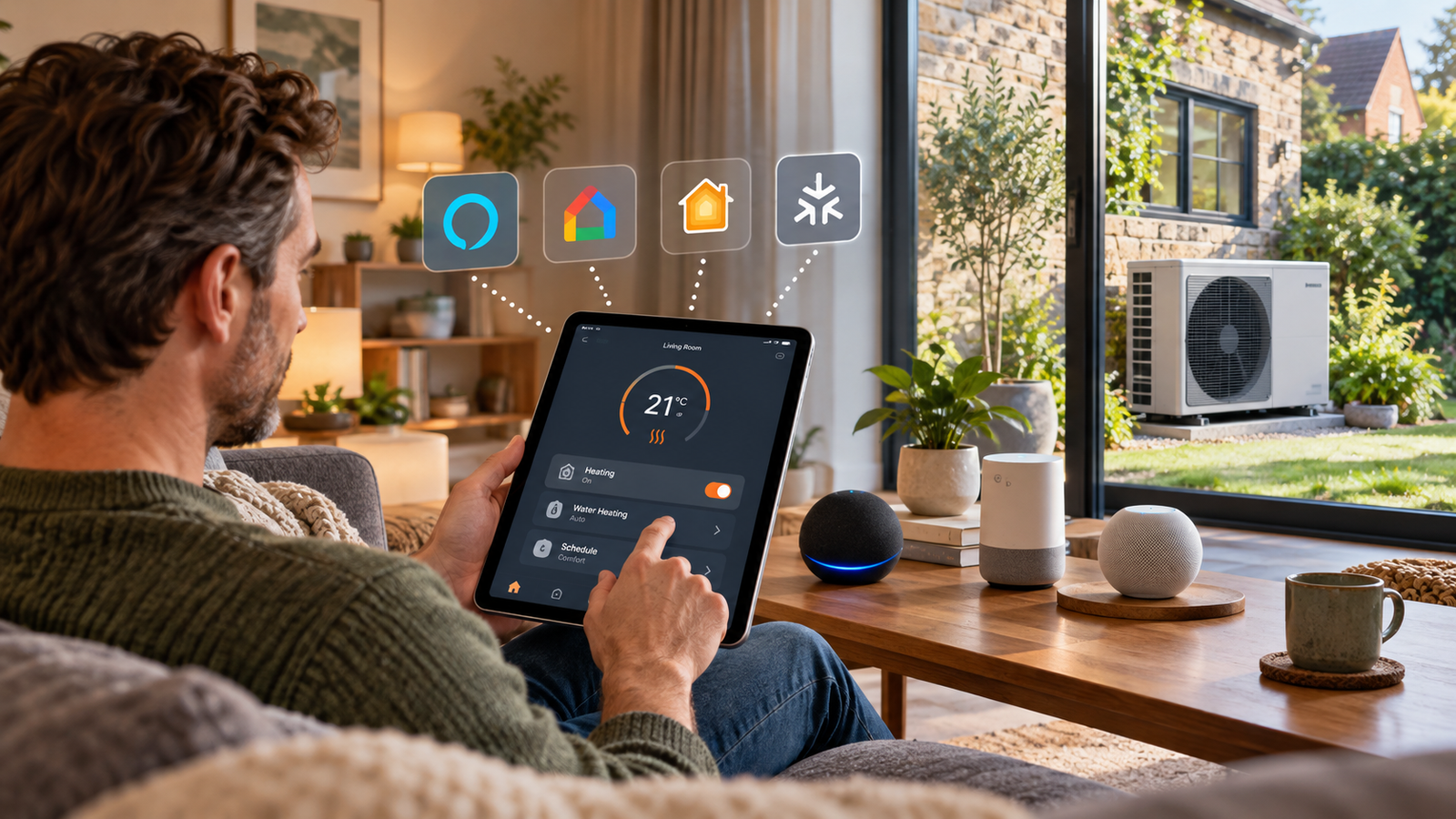
In future, homeowners may be able to control heating, hot water, cooling, scheduling and energy use through one connected ecosystem.
If you are already reviewing controls, see our guide to smart heating controls.
Useful Controls and Accessories to Consider
Whether you choose a standard heat pump or a more advanced combined system, the right controls and accessories can make a big difference to comfort and running costs.
- Smart heating controls can improve scheduling and visibility.
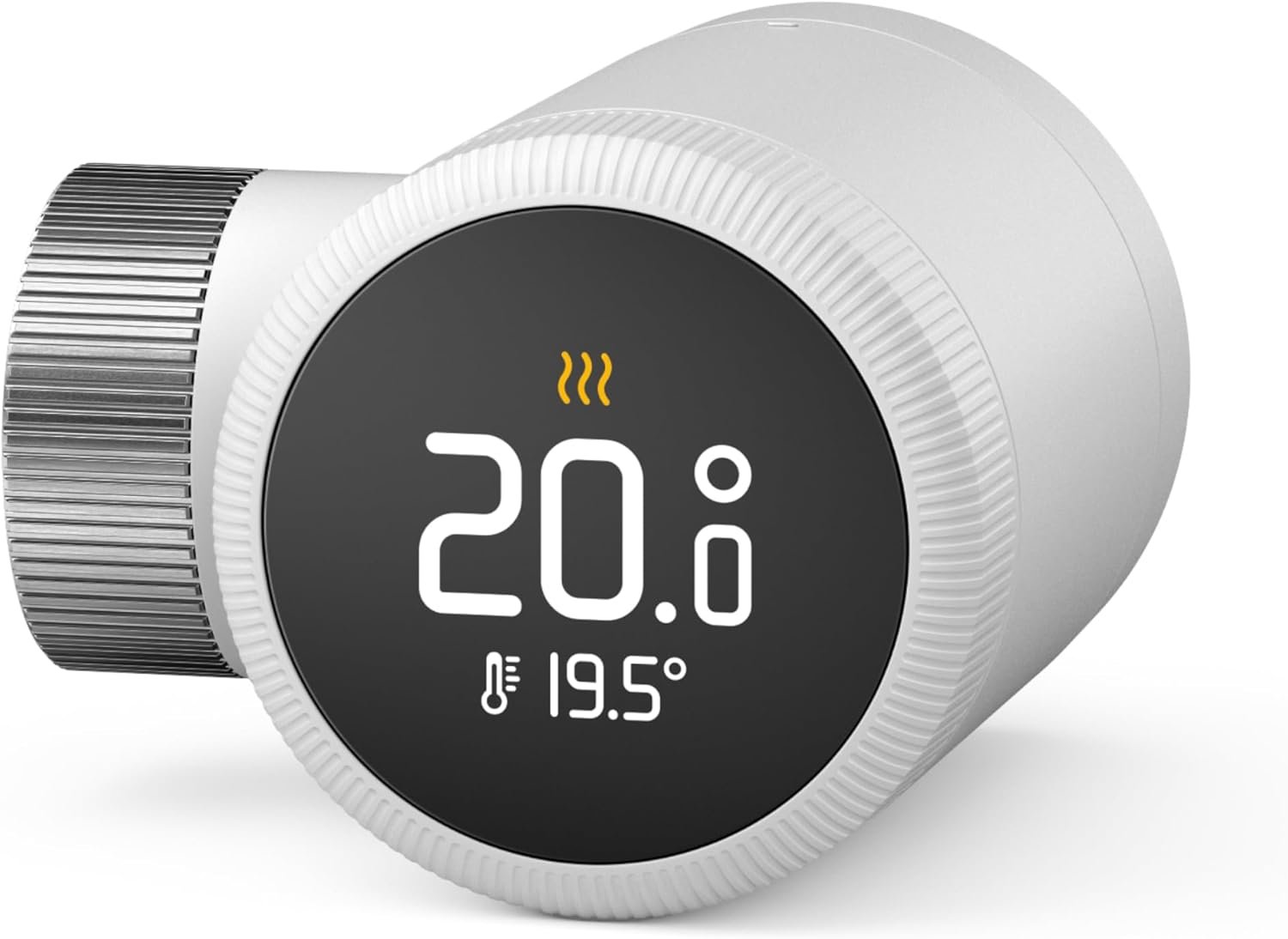
- Smart TRVs for heat pumps can help manage room-by-room comfort.
- Heat pump accessories can help monitor, protect or improve the system.
Drawbacks and Limitations
1. More complex than a standard heat pump
A combined system has more design considerations than a straightforward boiler replacement.
The installer needs to think about heating demand, hot water demand, cooling demand, indoor unit placement, pipe routes, refrigerant connections and controls.
2. It may cost more
Adding cooling usually means adding indoor air units. That increases equipment and installation costs.
For some homeowners, installing a simpler air-to-water heat pump may be more cost-effective.
For a full breakdown of typical installation costs, read our guide to air source heat pump costs in the UK.
3. Not every home needs cooling
Some UK homes rarely overheat. Others can be improved with shading, ventilation, blinds, insulation improvements or better loft ventilation.
Cooling is useful, but it is not essential for every property.
4. UK grant eligibility may need checking
The Boiler Upgrade Scheme is designed to support eligible low-carbon heating installations. However, homeowners should always check the current rules and confirm eligibility with an MCS-certified installer.
Read our updated guide to heat pump grants in the UK before assuming a system will qualify.
5. Product availability may vary
New systems often launch in phases. A product may be announced for Europe before it is widely available in the UK.
Installer familiarity also matters. A great product on paper still needs to be designed, installed and commissioned properly.
Who Might Benefit Most?
A combined heating, hot water and cooling heat pump may be worth considering if your home fits several of the following points.
Potentially a Good Fit
- You are carrying out a major renovation.
- Your home is well insulated.
- You are already considering air conditioning.
- You have limited outdoor space for multiple units.
- You want cooling in bedrooms, a loft room or a home office.
- You are replacing radiators, pipework or underfloor heating anyway.
Needs More Careful Thought
- Older homes with high heat loss.
- Homes needing a simple, lower-cost boiler replacement.
- Properties where cooling is rarely needed.
- Homes where internal air units would be difficult to position neatly.
- Homeowners wanting the most straightforward grant-funded installation.
If your main concern is whether a heat pump will be affordable to run, read our guide to heat pump running costs.
Should You Wait for Combined Heat Pump Systems?
This is the key question for many homeowners.
If your boiler is working, you are planning a major renovation and you are also interested in air conditioning, it may be worth keeping an eye on combined systems as they become more widely available.
However, if your heating system needs replacing soon, it may not be sensible to delay purely for a new product category.
| You May Want to Wait If | You Probably Should Not Wait If |
|---|---|
| You are not in a rush to replace your boiler. | Your boiler is unreliable or expensive to run. |
| You are planning a deep retrofit or extension. | You want to use current heat pump grants. |
| You want air conditioning as well as heating. | You do not need cooling. |
| You want one integrated system rather than separate equipment. | You want a simpler and more proven installation. |
| You are happy to wait for clearer UK pricing and installer availability. | Your installer has already designed a suitable air-to-water system. |
The best system is not always the newest system. It is the system that suits your home, heat loss, budget, lifestyle and installer capability.
Simple Decision Guide
| Your Situation | Most Sensible Next Step |
|---|---|
| You want to replace a boiler soon | Compare standard air-to-water heat pumps first |
| You are planning a full renovation | Ask installers about combined heating and cooling options |
| You already want air conditioning | Compare separate AC against a combined system |
| You have a poorly insulated older home | Improve insulation and check heat loss before choosing a system |
| You want lowest upfront cost | A conventional air source heat pump may be more suitable |
What Should UK Homeowners Do Next?
If you are interested in a heat pump that can provide heating, hot water and cooling, the best next step is not to choose a product first.
Start with the home.
- Check your heat loss.
- Review your insulation.
- Decide whether you really need cooling.
- Think about which rooms overheat.
- Compare standard heat pumps with combined systems.
- Ask whether the system is supported by qualified UK installers.
- Check grant eligibility before committing.
For most homeowners, the best starting point is still understanding whether a heat pump makes financial and practical sense for their property.
Our Verdict
One heat pump can provide heating, hot water and air conditioning, but only if it is designed as a combined system.
For UK homeowners, this is an exciting development because it changes the way we think about heat pumps. They are not only boiler replacements. In some homes, they may become complete comfort systems for winter heating, hot water and summer cooling.
However, the basics still matter most. Your heat loss, insulation, radiators, underfloor heating, cylinder, controls and installer quality will have a bigger impact than the product name alone.
Compare Up to 3 Heat Pump Installers Near You
Tell us a little about your property to see installer options available in your area.
Free to use with no obligation
Frequently asked questions
Can a heat pump provide heating and air conditioning?
Yes, some heat pumps can provide both heating and cooling. Air-to-air heat pumps commonly do this. Standard UK air-to-water heat pumps usually provide heating and hot water, but not air conditioning.
Can one heat pump provide hot water and cooling?
Some combined systems are designed to provide domestic hot water and cooling from one outdoor unit. These systems are different from normal air-to-water heat pumps and may require indoor air units for cooling.
Can I add cooling to my existing air-to-water heat pump?
Possibly, but only if the heat pump and heating system are designed to support active cooling. Ordinary radiators cannot simply be used as air conditioners. Some reversible systems use chilled water and purpose-designed fan-coil units with appropriate condensation management. Octopus Energy’s Cosy Cooler, expected in 2027 for compatible Cosy heat pumps, works differently: it removes heat from room air and transfers the heat through existing heating pipework to the outdoor heat pump, without deliberately circulating chilled water through ordinary radiators. Homeowners should confirm manufacturer-approved cooling options for their exact system.
Do normal air source heat pumps cool your house?
Most standard UK air source heat pumps do not provide air conditioning. Some reversible systems may offer cooling in specific setups, but this is not the same as fitting dedicated indoor air conditioning units.
Is a combined heat pump better than a standard heat pump?
Not always. A combined system may be better if you also want cooling, but a standard air-to-water heat pump is often simpler and more suitable for a straightforward boiler replacement.
Are combined heating and cooling heat pumps available in the UK?
Some mixed heating, cooling and hot water systems exist, but availability varies by manufacturer, installer and product range. Always check current UK availability and suitability before making a decision.
Will a combined heat pump qualify for the Boiler Upgrade Scheme?
Eligibility depends on the system, installation and current scheme rules. Homeowners should confirm this with an MCS-certified installer before assuming a grant is available.
Should I wait for systems like Daikin X Series?
If you are planning a renovation and also want cooling, it may be worth watching this category. If you need to replace a boiler soon, a proven air-to-water heat pump may still be the better option.



Sources and further reading
This guide uses official manufacturer information and UK homeowner guidance to explain combined heating, hot water and cooling systems.