Why Is My Heating Always On?
Does your heating seem to run constantly? Discover when it’s normal, when it signals a problem, and what you can do to improve comfort and reduce energy bills.
- Updated for 2026
- UK homeowner guide
- Independent advice

Quick Answer
Your heating may be running constantly because of thermostat settings, heating schedules, cold weather, poor insulation, faulty controls or simply because the system is working as designed.
Importantly, a heating system running for long periods is not always a problem.
Heat pumps are different
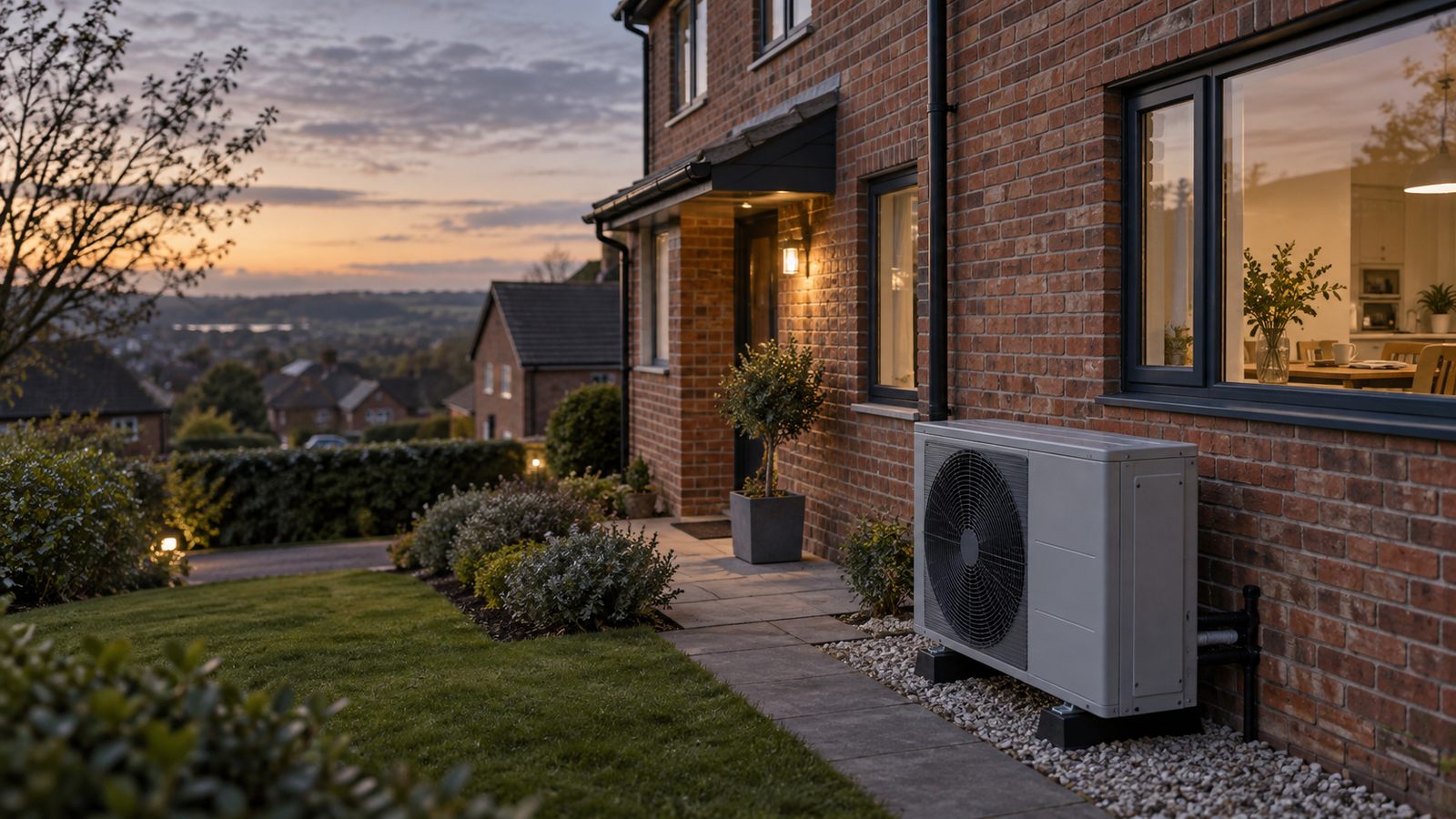
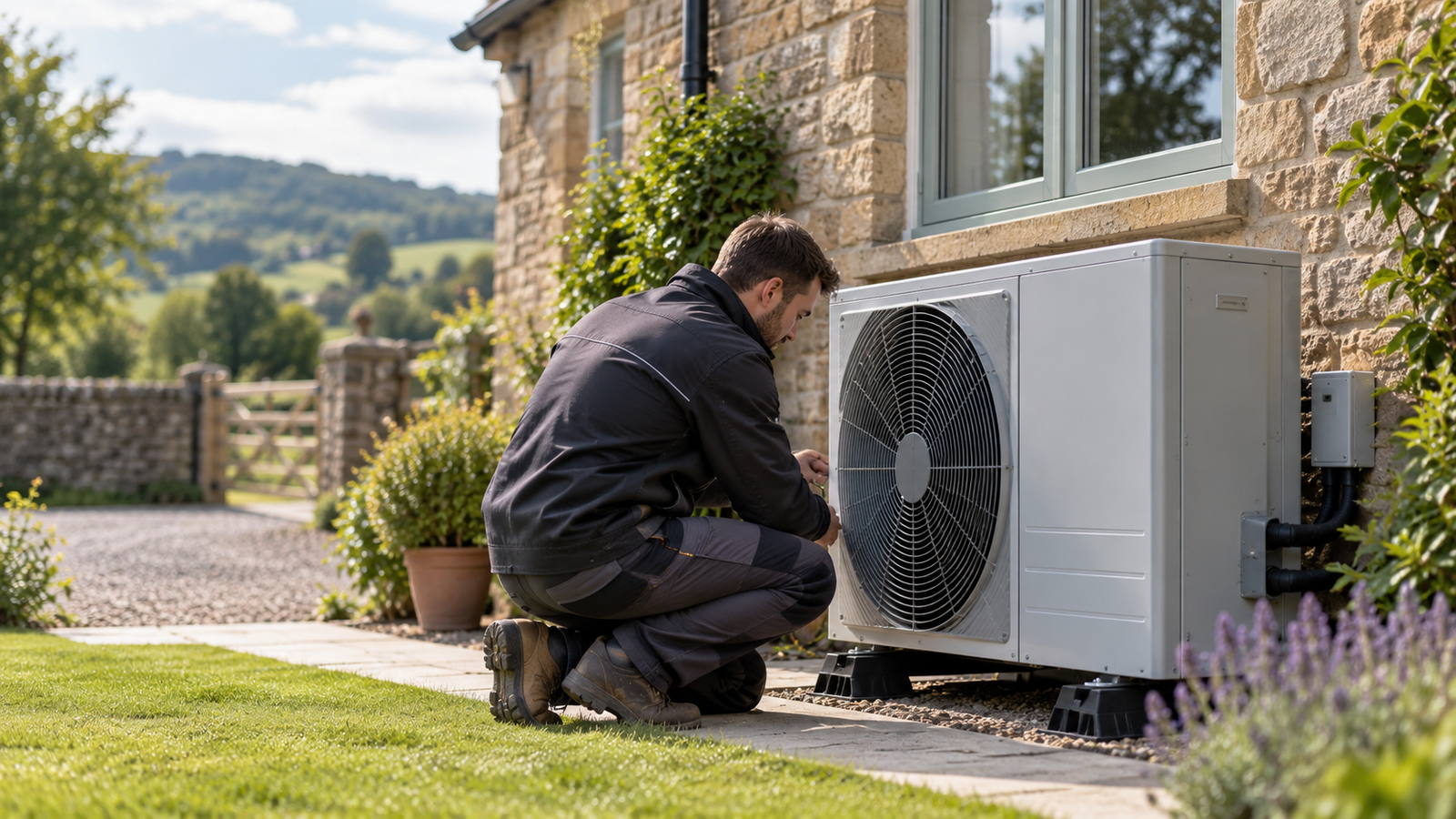
Many homeowners moving from a gas boiler to a heat pump are surprised by how long the system runs. In many cases, this is completely normal and can actually improve efficiency.
Is It Normal For Heating To Run All Day?
Sometimes, yes.
During very cold weather, many heating systems run for much longer than homeowners expect.
Modern heating systems often prioritise maintaining a stable indoor temperature rather than repeatedly turning on and off.
| Heating System | Typical Behaviour |
|---|---|
| Traditional gas boiler | More likely to cycle on and off |
| Combi boiler | Regular cycling depending on demand |
| Heat pump | Often runs for long periods at lower output |
| Weather compensated heating | May operate almost continuously in winter |
1. Your Thermostat Is Set Too High
The simplest explanation is often the correct one.
If your thermostat is set to 23°C or higher, your heating system may struggle to reach that target during colder weather.
This can cause the heating to run almost continuously.
2. Your Heating Schedule Is Incorrect
Many homeowners accidentally leave heating schedules running longer than intended.
Common examples include:
- 24-hour schedules enabled
- Duplicate heating programmes
- Incorrect smart thermostat setup
- Holiday mode disabled
- Multiple users changing schedules
A quick review of your thermostat schedule can often solve the issue.
3. Poor Insulation Is Making The System Work Harder
If your home loses heat quickly, the heating system must constantly replace that lost heat.
Common causes include:
- Insufficient loft insulation
- Old windows
- Draughts around doors
- Uninsulated walls
- Poorly insulated extensions
The heating may be operating correctly but working much harder than necessary.
4. Your Thermostat Is In The Wrong Location
If the thermostat is installed in a cold hallway, near a draught, or away from the rooms you actually use, it may keep calling for heat longer than necessary.
This can result in some rooms overheating while the thermostat still thinks the house is cold.
5. Your Heat Pump Is Working Normally
This surprises many homeowners.
Unlike traditional boilers, heat pumps are designed to operate for long periods at lower temperatures.
Rather than producing short bursts of very hot water, they maintain comfort steadily throughout the day.
As a result, a heat pump running for most of the day is often completely normal.
Important: Long run times do not automatically mean high running costs. Heat pumps are often most efficient when running steadily.
When Constant Running Becomes A Problem
You should investigate further if:
- Your energy bills have increased significantly
- The house still feels cold
- Some rooms never reach temperature
- The heating runs constantly even during mild weather
- The system repeatedly enters boost modes
- Hot water heating seems excessive
These symptoms can point to setup issues, incorrect controls or heating system faults.
Could Smart Controls Help?
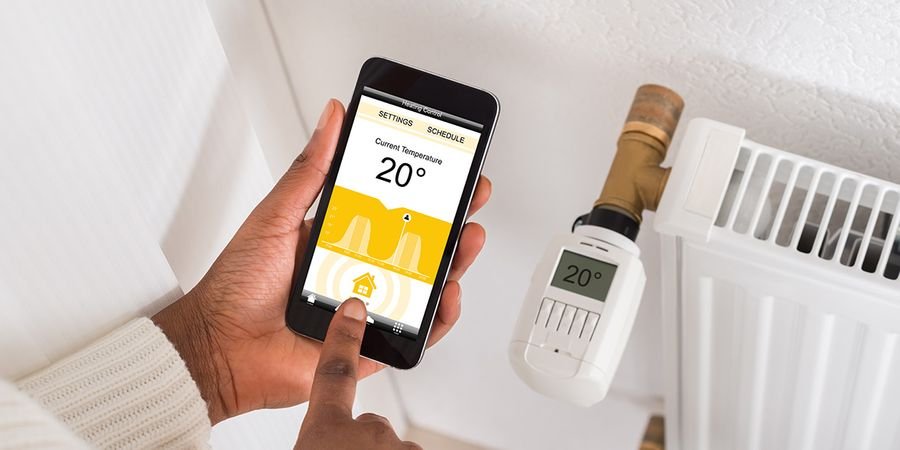
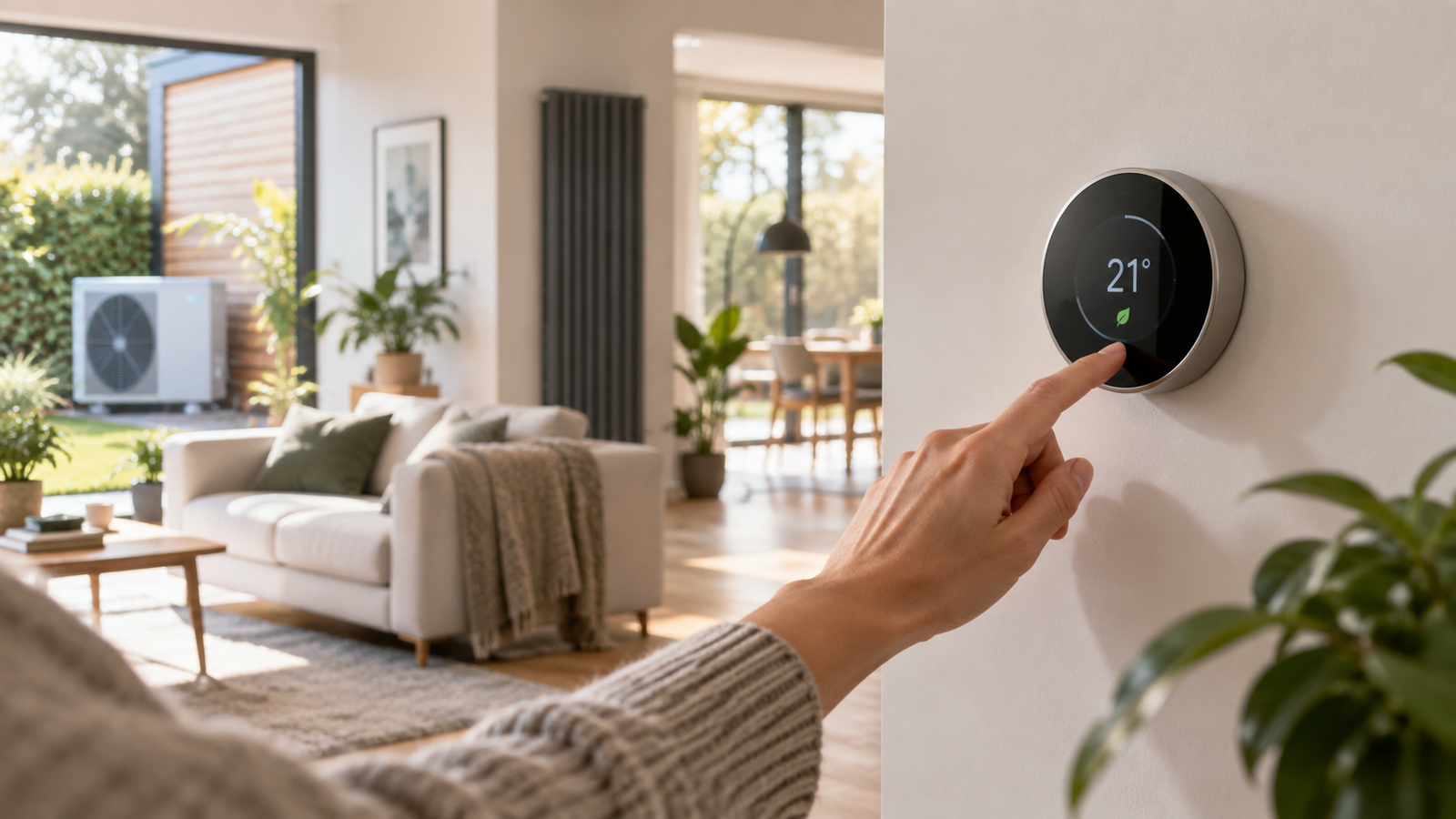
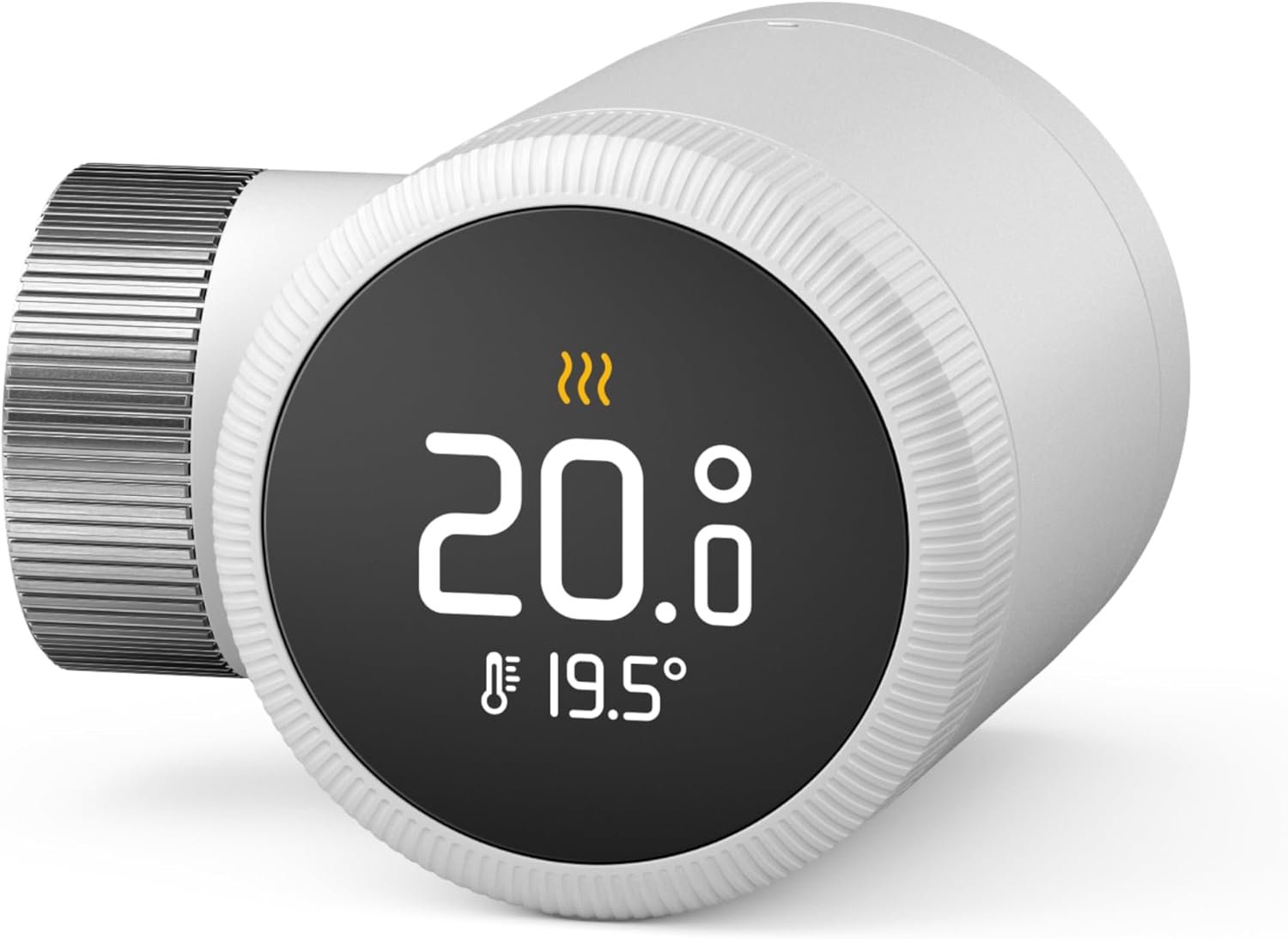
In many homes, smarter controls reduce unnecessary heating hours by making schedules easier to manage and improving room-by-room control.
Smart Thermostat Benefits
- Better scheduling
- Remote control
- Usage insights
- Geofencing features
Smart TRV Benefits
- Room zoning
- Reduced overheating
- Improved comfort
- Greater control
Our Verdict
If your heating appears to be running all the time, don’t automatically assume something is wrong.
Many systems, particularly heat pumps, are designed to run for long periods.
The real question is whether your home is comfortable and whether your energy bills are reasonable.
Key takeaway
If your home is warm, comfortable and energy costs are under control, long heating run times are often perfectly normal.