
Why Are My Energy Bills So High?
If your gas and electricity bills seem much higher than expected, there is usually more than one reason. This guide explains the most common causes of high energy bills in UK homes and the practical upgrades that can help reduce wasted heating without sacrificing comfort.
- Updated for 2026
- UK homeowner guide
- Affiliate links disclosed

Quick Answer: Why Are Your Energy Bills So High?
High energy bills are usually caused by a combination of heating costs, poor insulation, inefficient controls, hot water use, tariff changes and everyday household habits.
For most UK households, heating is usually the first place to investigate because it is often the largest part of home energy use. If your heating runs for too long, heats unused rooms or is controlled by an old thermostat, bills can rise quickly.
The biggest culprit
In many UK homes, the biggest opportunity is not replacing every appliance. It is improving heating control, reducing wasted heat and making sure rooms are only heated when needed.
Affiliate disclosure: This page contains Amazon affiliate links. If you buy through one of these links, Heat Pump Guide UK may earn a commission at no extra cost to you. Affiliate relationships do not determine our recommendations.
Most Common Reasons Energy Bills Increase
Energy bills can rise for several reasons at once. The table below shows the most common areas to check first.
| Cause | Potential Impact | How Common? | First Step |
|---|---|---|---|
| Heating running longer than needed | High | Very common | Review schedules and thermostat settings |
| Poor insulation or draughts | High | Very common | Check loft insulation, doors, floors and windows |
| Old heating controls | Medium to high | Very common | Consider a smart thermostat |
| Rooms overheating | Medium | Common | Use TRVs or smart TRVs to reduce waste |
| Heating unused rooms | Medium to high | Very common | Add room-by-room control |
| Hot water use | Medium | Common | Check cylinder schedules, showers and immersion use |
| Energy tariff changes | High | Common | Review unit rates and standing charges |
| Faulty heating controls | Medium | Moderately common | Check whether heating is turning off properly |
1. Your Heating System Is Using More Energy Than You Realise
Many homeowners focus on appliances when investigating energy bills, but heating is often the biggest contributor. Even a small problem with heating schedules or thermostat settings can have a noticeable effect over a full winter.
Common heating issues include:
- Heating running all day
- Thermostat set too high
- Poor heating schedules
- Overheated rooms
- Heating empty rooms unnecessarily
- Heating coming on when nobody is home
- Rooms staying warm long after they are no longer being used
If your heating is running for longer than expected, start by checking the timer, thermostat schedule and room temperature settings before replacing any major equipment.
2. Poor Insulation Is Wasting Heat
If heat escapes quickly, your heating system has to work harder and for longer. This is especially common in older UK homes, solid-wall properties, homes with older windows and houses with draughty floors or doors.
Common problem areas include:
- Loft insulation
- External walls
- Old windows
- Draughty doors
- Suspended timber floors
- Uninsulated pipework
- Cold gaps around loft hatches or floorboards
Even the best heating control setup cannot fully compensate for excessive heat loss. Smart controls can reduce wasted heating, but insulation and draught-proofing still matter.
Practical tip: If rooms cool down very quickly after the heating turns off, heat loss may be a bigger issue than the thermostat itself.
3. Some Rooms May Be Overheating
Many homes waste energy heating rooms that do not need to be as warm as they are. Bedrooms, spare rooms, hallways and home offices often have different heating needs, but traditional thermostats treat the home as one big zone.
This can mean the whole house is heated just because one room needs more warmth, or unused rooms stay warm all evening even when nobody is in them.
Room-by-room temperature control is one of the easiest ways to reduce wasted heating energy.
Best fix for overheating rooms
Smart radiator valves can be useful if some rooms are too hot, rarely used or need different schedules. They are often a better upgrade than replacing the main thermostat alone.
4. Your Thermostat Could Be Costing You Money
Old thermostats and basic heating timers often provide limited control. They may be difficult to programme, awkward to adjust and poor at adapting to your real routine.
Every degree matters. A slightly higher thermostat setting can increase heating demand, especially during colder months. Poor schedules can also mean the heating runs when nobody is home or when rooms are already warm enough.
Traditional Thermostat
- Basic schedules
- Limited control
- No usage insights
- No remote access
- Harder to adjust around routines
Smart Thermostat
- Smarter schedules
- Remote control
- Energy monitoring features
- Better optimisation
- Easier control from your phone
5. Smart TRVs Could Help If You Are Heating Empty Rooms
If your bills are high because rooms are being heated when they do not need to be, smart TRVs may be more useful than replacing the main thermostat alone.
A smart thermostat controls the main heating schedule. Smart TRVs help control individual rooms. This matters because many homes have spare bedrooms, home offices, guest rooms or upstairs rooms that do not need the same temperature all day.
Smart TRVs can help if:
- Spare bedrooms are heated every day
- Bedrooms get too hot at night
- You work from home in one room
- One room is colder than the rest
- Upstairs rooms overheat while downstairs feels cooler
- You want different schedules for different rooms
Best use case
Use a smart thermostat for the main heating schedule, then use smart TRVs in rooms where heating is being wasted or temperatures are difficult to control.
Best Upgrades To Help Reduce Heating Waste
If your bills are high because of heating waste, a smart thermostat or smart radiator valve setup may help. These upgrades are not magic fixes, but they can make it much easier to reduce unnecessary heating.
The best choice depends on the problem you are trying to solve.
| Problem | Best Upgrade | Why It Helps |
|---|---|---|
| Old timer or basic thermostat | Smart thermostat | Easier schedules and app control |
| Heating empty rooms | Smart TRVs | Room-by-room control |
| One room too cold | Smart TRVs plus radiator checks | Better control and diagnosis |
| Family routines change daily | Smart thermostat with geofencing | Less heating when nobody is home |
| Larger or older home | Smart thermostat plus smart TRVs | Better control across different rooms |
Recommended Smart Controls for High Energy Bills
These are the smart heating upgrades that fit this problem best. The aim is not to buy gadgets for the sake of it, but to reduce heating waste where it is actually happening.
Best overall starting point
For many UK homes, start with a smart thermostat if your current controls are old or awkward. Add smart TRVs later if specific rooms are wasting heat or overheating.
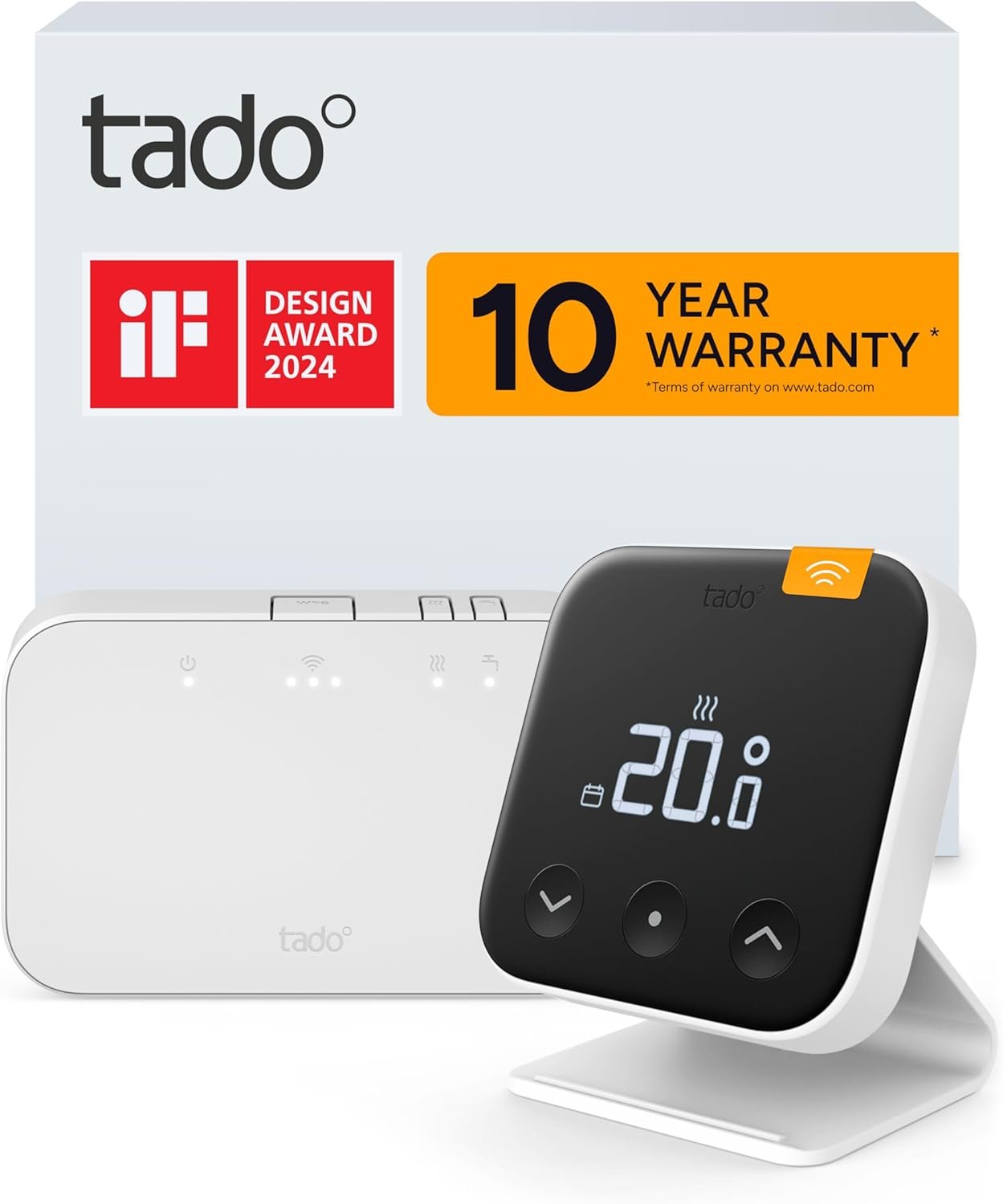
tado° Smart Thermostat X
Best for: Homes that need better scheduling, app control and the option to add smart radiator valves later.
tado° is a strong choice if your bills are high because heating runs when it is not needed, rooms are used at different times or you want a smarter upgrade path over time.
Its biggest advantage is flexibility. You can start with the main thermostat and then add smart radiator valves to rooms that overheat, stay cold or are rarely used.
- Excellent app control and scheduling
- Good energy-saving features
- Strong smart TRV support
- Useful for room-by-room upgrades
- Good fit for homes with changing routines
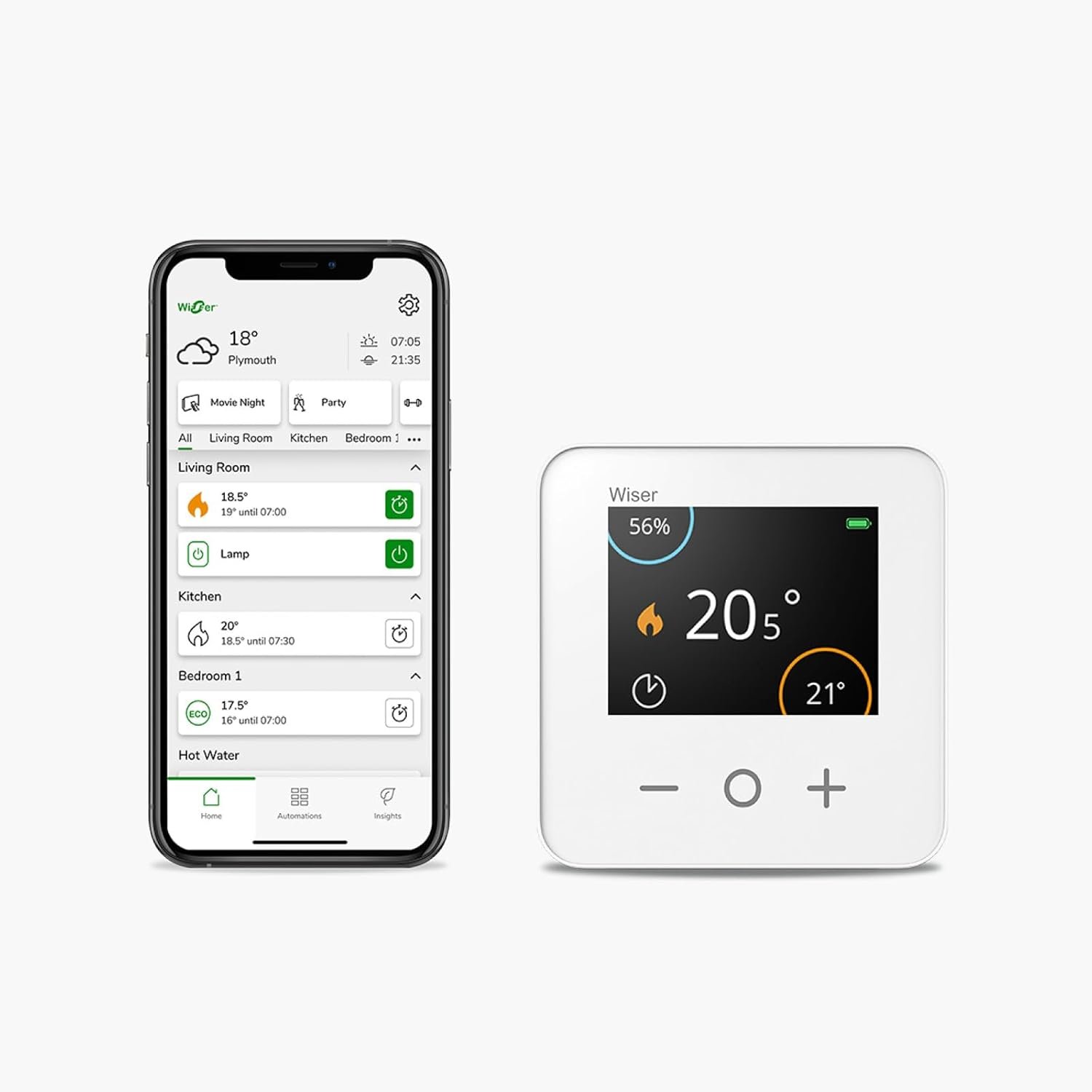
Drayton Wiser
Best for: Homes where some rooms are used more than others and value is important.
Drayton Wiser is a strong option if you want better room control without paying the highest prices. It is especially useful for homes where bedrooms, spare rooms or home offices need different heating schedules.
If your high energy bills are partly caused by heating rooms that do not need to be warm all day, Drayton Wiser is worth considering.
- Good value for money
- Strong smart TRV support
- Useful for room-by-room heating
- Good app control
- Expandable over time
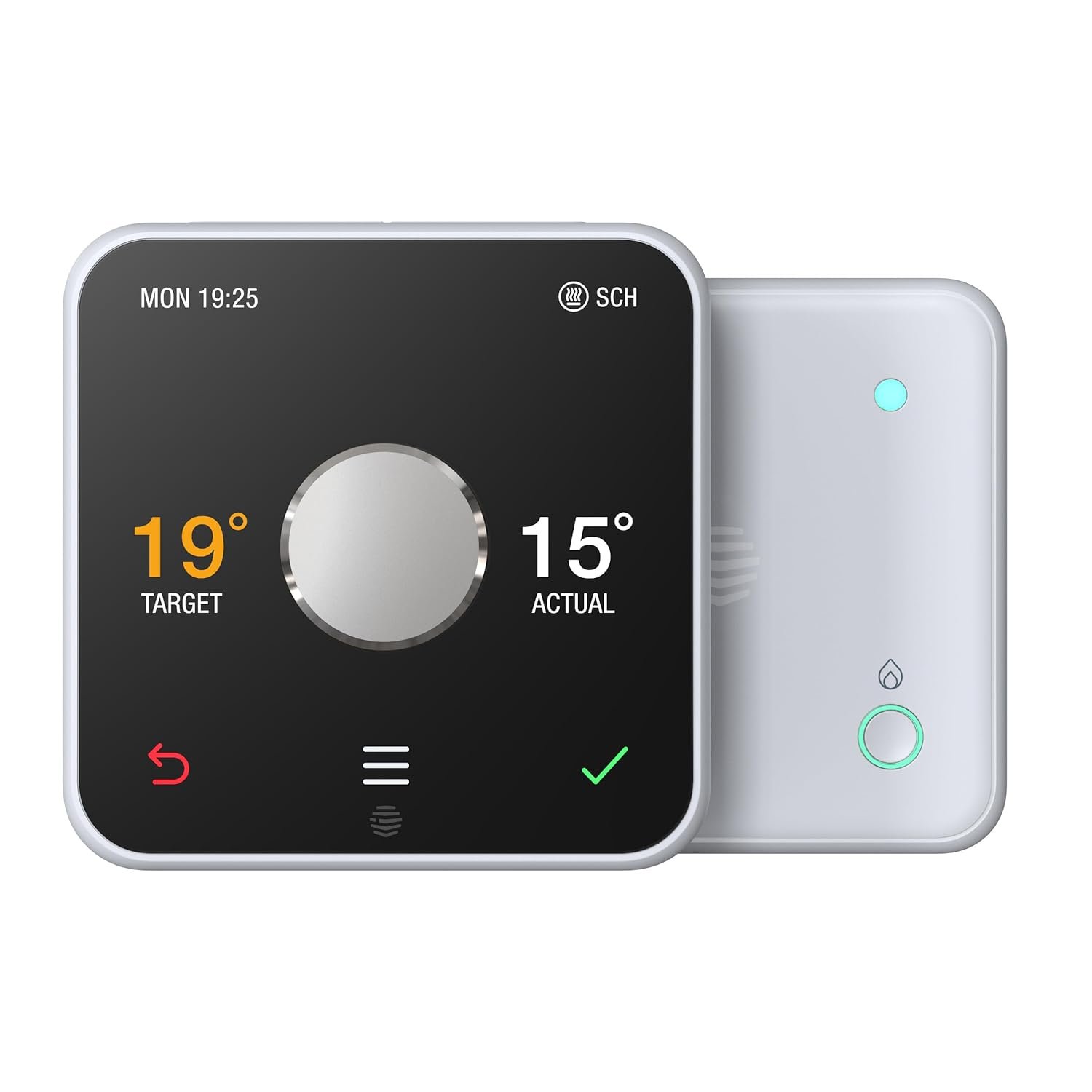
Hive Active Heating
Best for: Homes with old heating timers or basic thermostats that are hard to control.
Hive is a good choice if you want a simple smart thermostat without too much complexity. It may not be the most advanced system for zoning, but it can still be a major improvement if your current controls are outdated.
For many households, simply making heating easier to control from a phone can reduce waste because schedules are easier to adjust and heating can be turned down when plans change.
- Very easy to use
- Simple app control
- Good upgrade from old timers
- Familiar UK brand
- Best for straightforward heating control
Smart TRVs That Can Help Reduce Wasted Heating
If your main problem is heating rooms that are not being used, smart TRVs may be more useful than replacing the main thermostat alone.
They allow you to create room-by-room schedules, which can be useful for spare bedrooms, home offices, guest rooms and rooms that overheat.
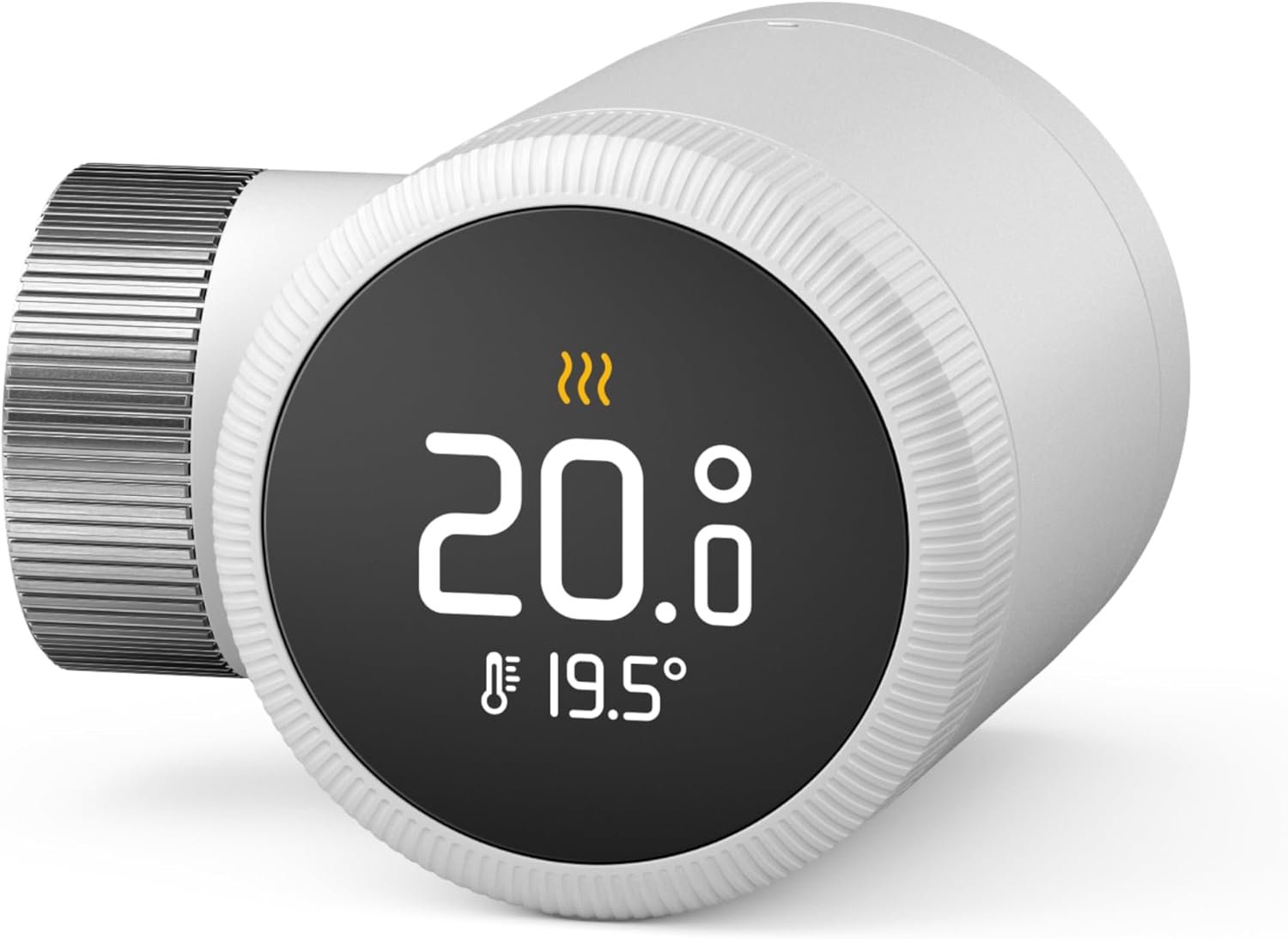
tado° Smart Radiator Thermostat X
Best for: Homes that want strong room-by-room control and may already use, or plan to use, tado° smart heating controls.
The tado° Smart Radiator Thermostat X is useful if your heating is often left on because different rooms need heat at different times. It can help reduce unnecessary heating in bedrooms, spare rooms and home offices.
- Excellent room-by-room scheduling
- Strong app control
- Good match with tado° thermostats
- Useful for unused or overheating rooms
- Best all-round smart TRV choice for most homes
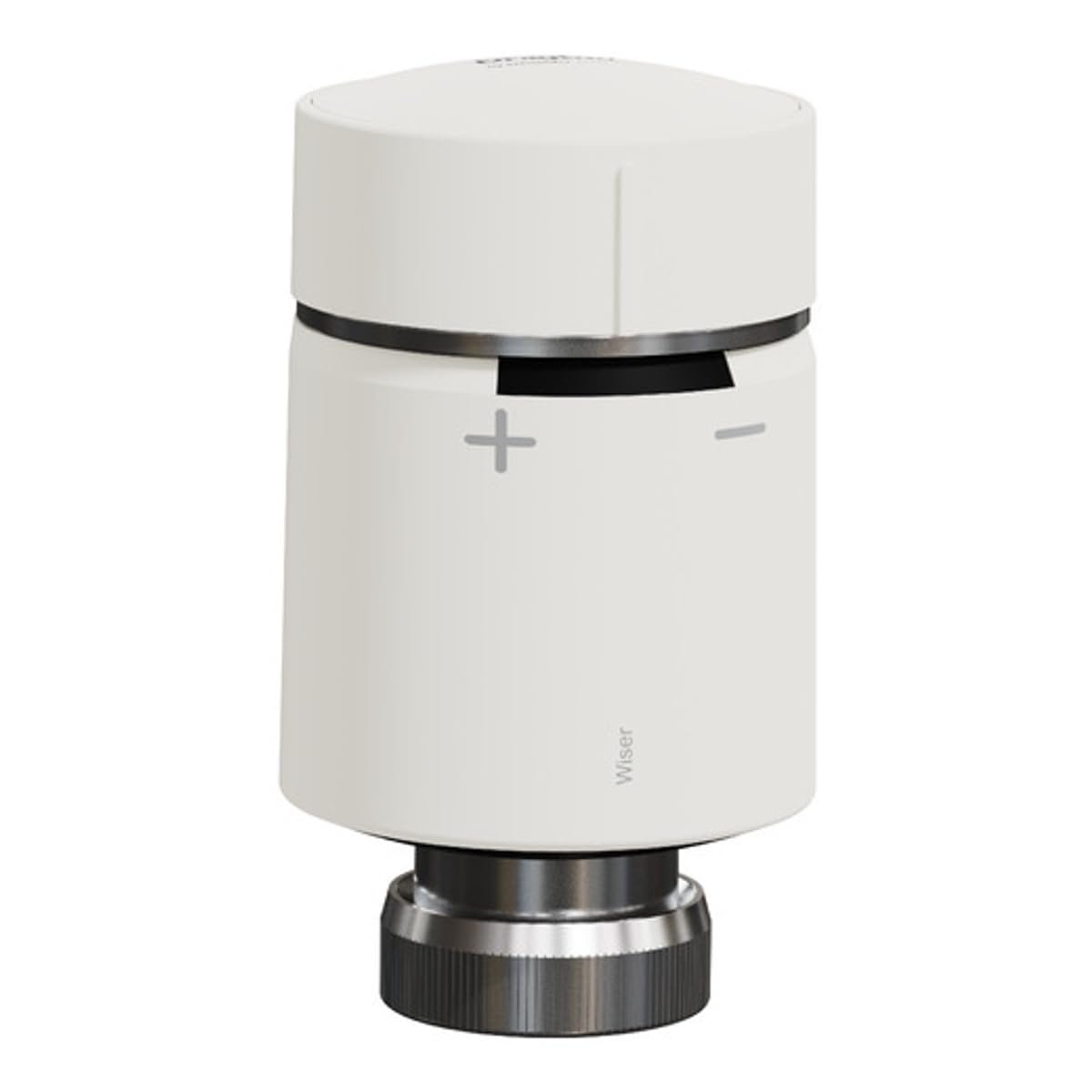
Drayton Wiser Smart Radiator Thermostat
Best for: Homes that want room-by-room control across several radiators without spending as much as premium systems.
Drayton Wiser TRVs are a strong option if your heating waste comes from multiple rooms being heated when they are not needed. They are especially useful when paired with a wider Wiser setup.
- Good value for multiple rooms
- Useful room-by-room scheduling
- Strong match with Drayton Wiser controls
- Good for family homes and spare rooms
- Practical upgrade path over time
5. Hot Water Could Be Adding More Than Expected
Hot water can add more to energy bills than many people expect, especially in homes with cylinders, electric immersion heaters or long shower use.
Common causes of excessive hot water costs include:
- Overheated hot water cylinders
- Long shower times
- Immersion heaters left on
- Poor hot water schedules
- Leaking hot taps
- Poorly insulated cylinders or pipework
If your heating use looks sensible but bills are still high, hot water settings and usage are worth checking next.
6. Energy Prices or Tariffs May Have Changed
Sometimes bills increase even when your usage has not changed much. This can happen because of higher unit rates, standing charges, tariff changes or estimated bills being corrected later.
Check your bill for:
- Unit rates for gas and electricity
- Daily standing charges
- Estimated readings
- Direct debit changes
- Seasonal usage changes
If your bill is based on estimates, submit an accurate meter reading or check your smart meter data where available.
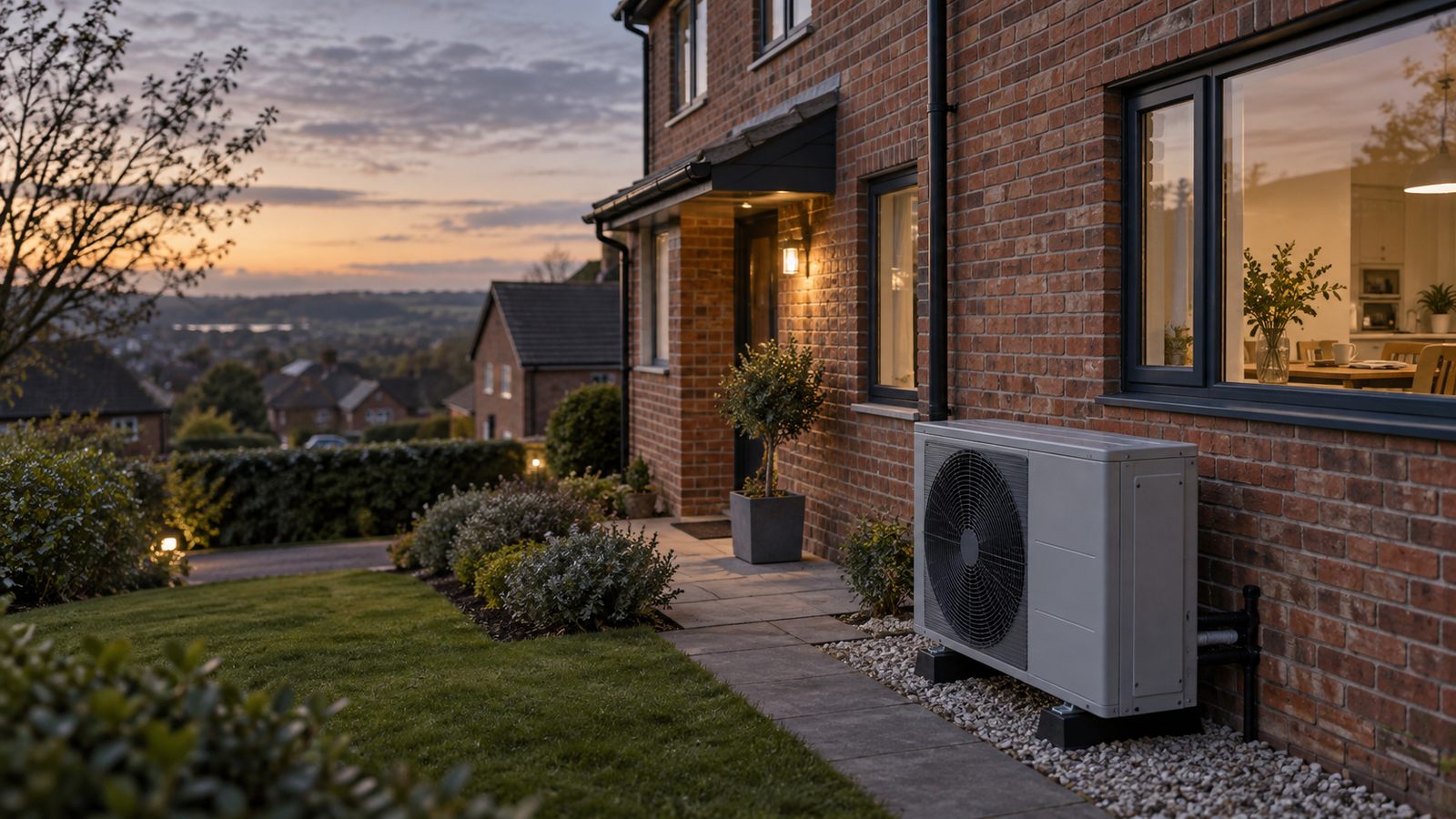
Could a Heat Pump Reduce Energy Bills?
Possibly, but not always.
A well-designed heat pump can reduce running costs in some homes, particularly when replacing oil, LPG or direct electric heating. However, for homes currently using mains gas, the savings are less predictable and depend heavily on the property and tariff.
Heat pump running costs depend on insulation, radiator sizing, flow temperatures, installer design, electricity prices and how the system is used.
Important: If your bills are high because your current home loses heat quickly, fix the heat loss and heating controls first. A poorly prepared home can make any heating system more expensive to run.
Quick Wins To Reduce Energy Bills
Before spending money on major upgrades, start with the lowest-cost checks first.
- Review thermostat settings
- Improve heating schedules
- Lower temperatures in unused rooms
- Use TRVs properly
- Consider smart controls if your current controls are poor
- Consider smart TRVs if rooms are heated unnecessarily
- Seal obvious draughts
- Check loft insulation levels
- Submit accurate meter readings
- Review your energy tariff
- Reduce unnecessary hot water heating
Best place to start
Start with heating controls and obvious heat loss. These are often the quickest areas to improve before considering bigger investments.
Our Verdict
If your energy bills are high, start by looking at your heating system, hot water use, insulation and tariff before replacing major appliances.
For many UK homes, the biggest opportunity is reducing wasted heating. Smart thermostats and smart TRVs can help, especially if your current controls are old, awkward or heating rooms unnecessarily.
For the best all-round smart control upgrade, tado° Smart Thermostat X is a strong starting point. For value room-by-room control, Drayton Wiser is worth considering. For a simple upgrade from old controls, Hive Active Heating is often the easiest option.
Frequently asked questions
Why are my energy bills so high all of a sudden?
Sudden increases can be caused by colder weather, higher tariffs, estimated readings being corrected, heating running longer than usual, hot water use or changes in household routines.
What uses the most energy in a UK home?
Heating and hot water are usually the biggest areas to check first, especially during autumn and winter.
Can a smart thermostat reduce energy bills?
A smart thermostat can reduce bills if it helps you improve schedules, avoid heating an empty home and reduce wasted heating. Savings depend on how your heating is currently used.
Are smart TRVs worth it for high energy bills?
Smart TRVs can be useful if some rooms are unused, too hot, too cold or occupied at different times. They allow more room-by-room control than a single thermostat.
Can smart TRVs stop rooms being heated unnecessarily?
Smart TRVs can help by allowing individual rooms to follow their own schedules. They are useful for spare rooms, home offices and bedrooms that do not need to be heated all day.
Should I turn the heating off or leave it on low?
For most gas boiler homes, heating only when needed is usually more cost-effective than leaving it on all day. Some heat pump systems work differently and may perform better with steadier temperatures.
Will a heat pump reduce my energy bills?
It depends. Heat pumps can reduce running costs in some homes, especially when replacing oil, LPG or direct electric heating, but results depend on system design, insulation, tariffs and flow temperatures.
Related guides
 Why Is My Heating Always On?
Is It Cheaper To Leave The Heating On All Day?
Why Are My Upstairs Rooms Too Hot?
Why Is My Heating Always On?
Is It Cheaper To Leave The Heating On All Day?
Why Are My Upstairs Rooms Too Hot?
 Why Is One Room Colder Than The Rest Of The House?
 Are Smart Thermostats Worth It?
 Do Smart Thermostats Save Money?
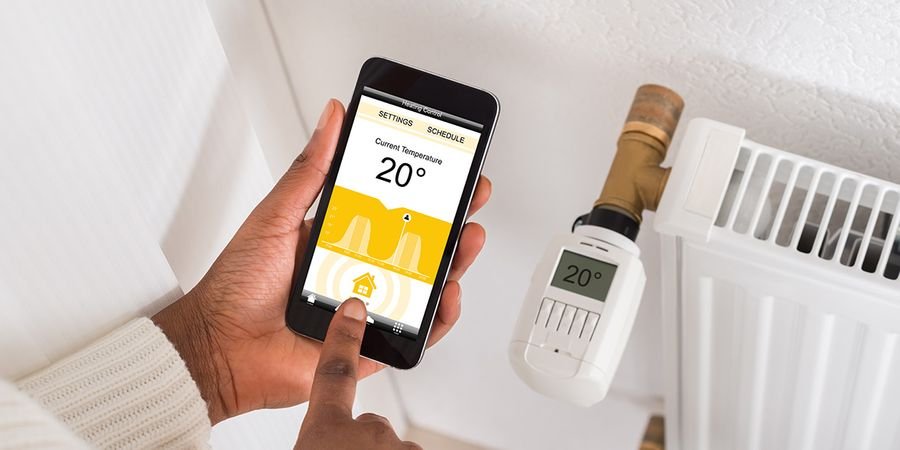 Smart Thermostat vs Smart TRV
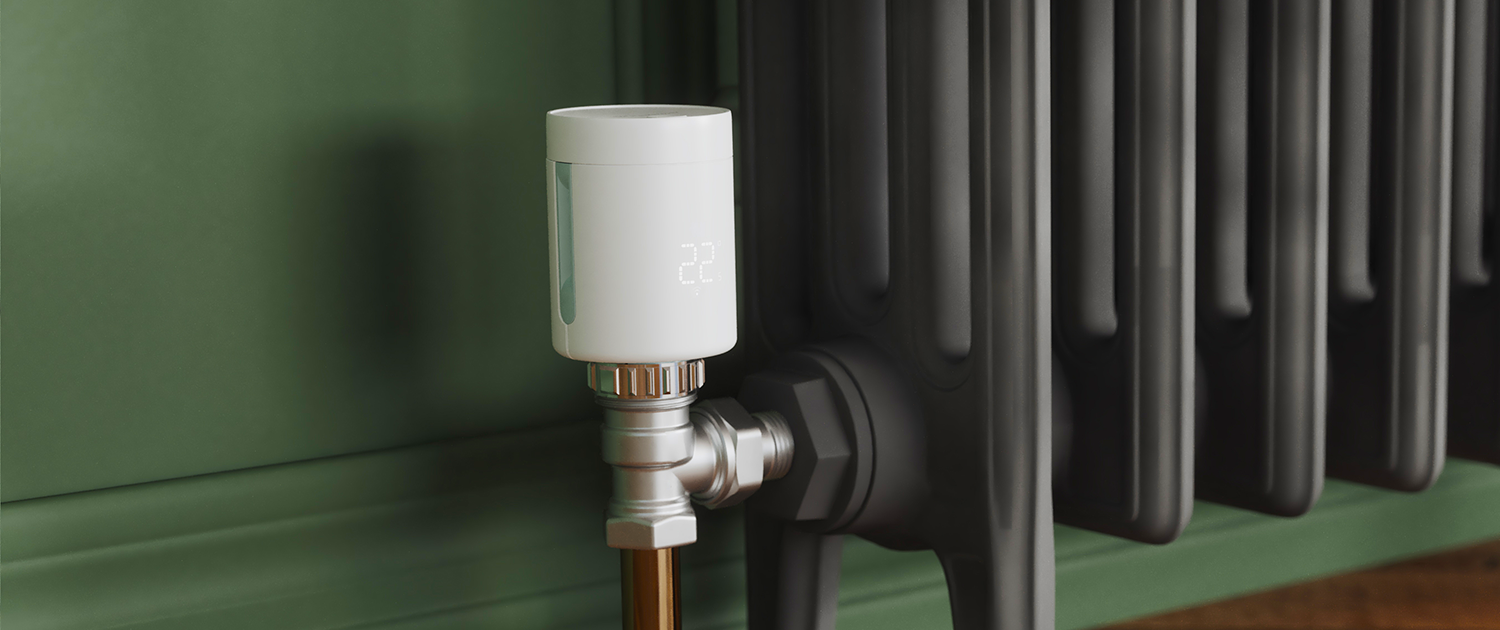 Are Smart TRVs Worth It?
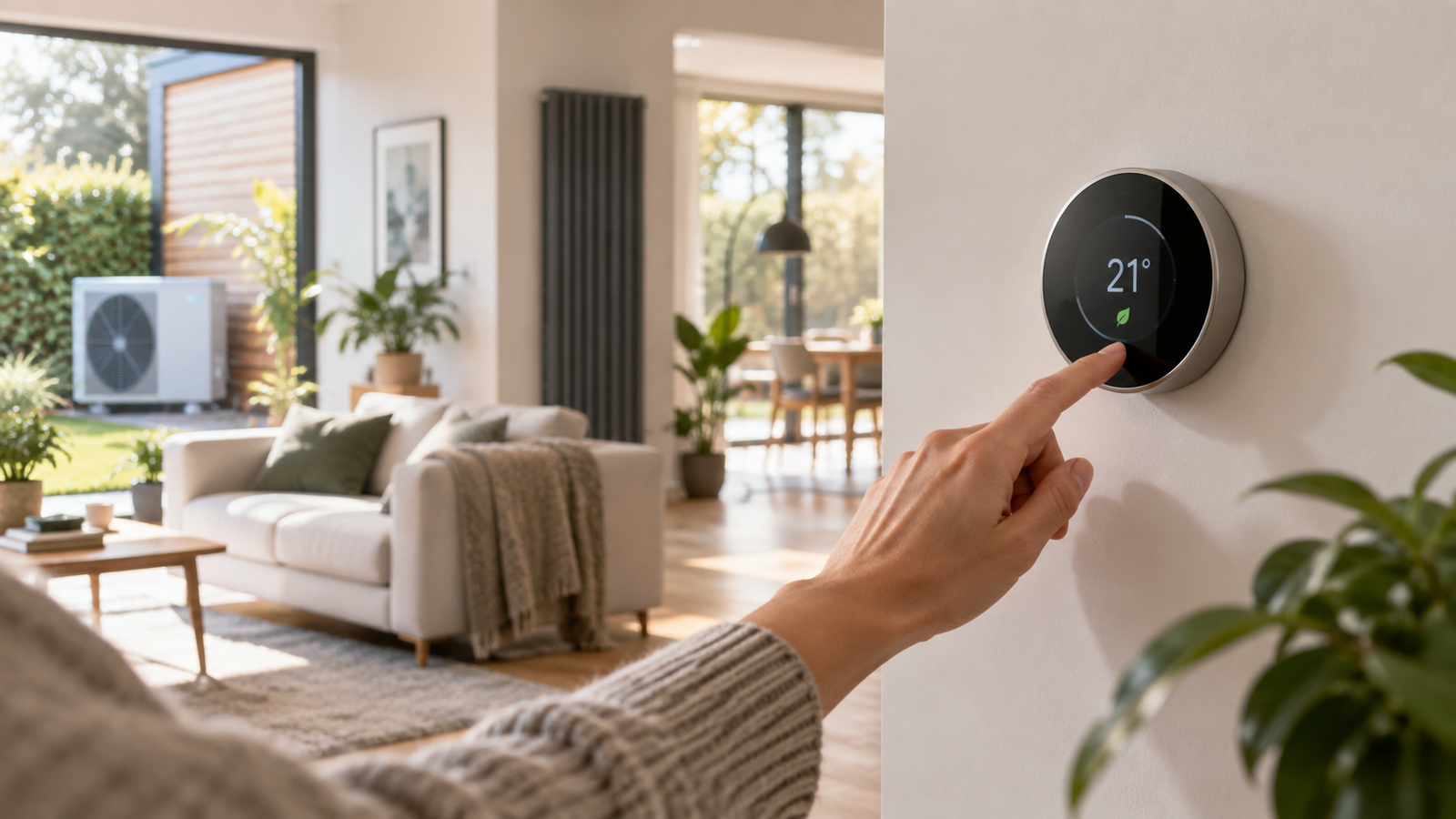 Best Smart Thermostats
Best Smart TRVs
Best Smart Thermostats
Best Smart TRVs
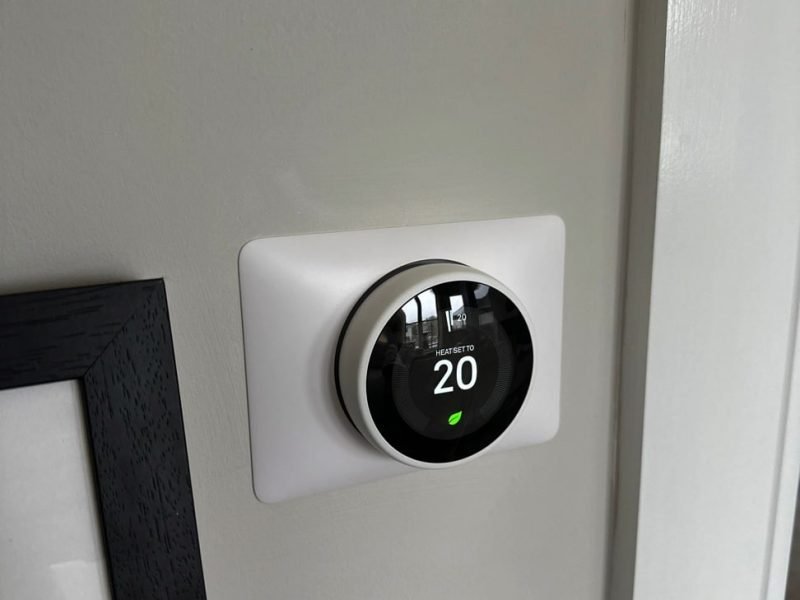 Best Smart Thermostat for Gas Boilers
 Heat Pump Running Costs