
Daikin vs Mitsubishi Heat Pumps: Which Is Better for UK Homes?
Compare Daikin Altherma and Mitsubishi Ecodan heat pumps for efficiency, winter performance, noise, controls, installation suitability, running costs and overall value.
- Updated for 2026
- UK homeowner comparison
- Independent brand guide

Quick verdict: Daikin vs Mitsubishi
See both brands in detailDaikin Altherma is often the better all-round choice for many UK homes because it offers a strong balance of efficiency, quiet operation, installer familiarity, controls and product range. Mitsubishi Ecodan is often the stronger choice for homeowners who prioritise winter reliability, long-term reputation and installer confidence, especially where the property needs dependable performance through colder weather.
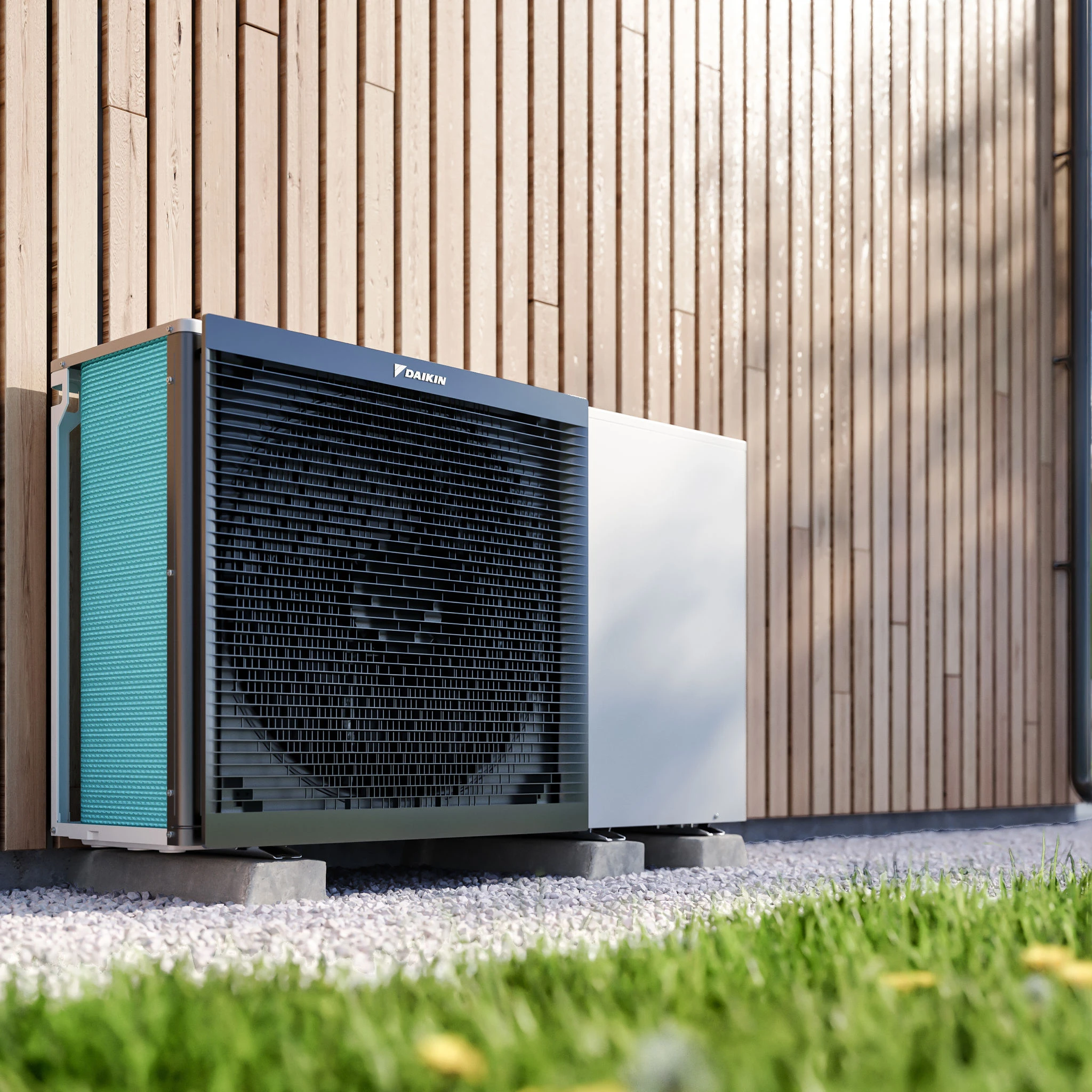
Daikin Altherma
Balanced performance, comfort and usability for a typical UK home.
Read our notes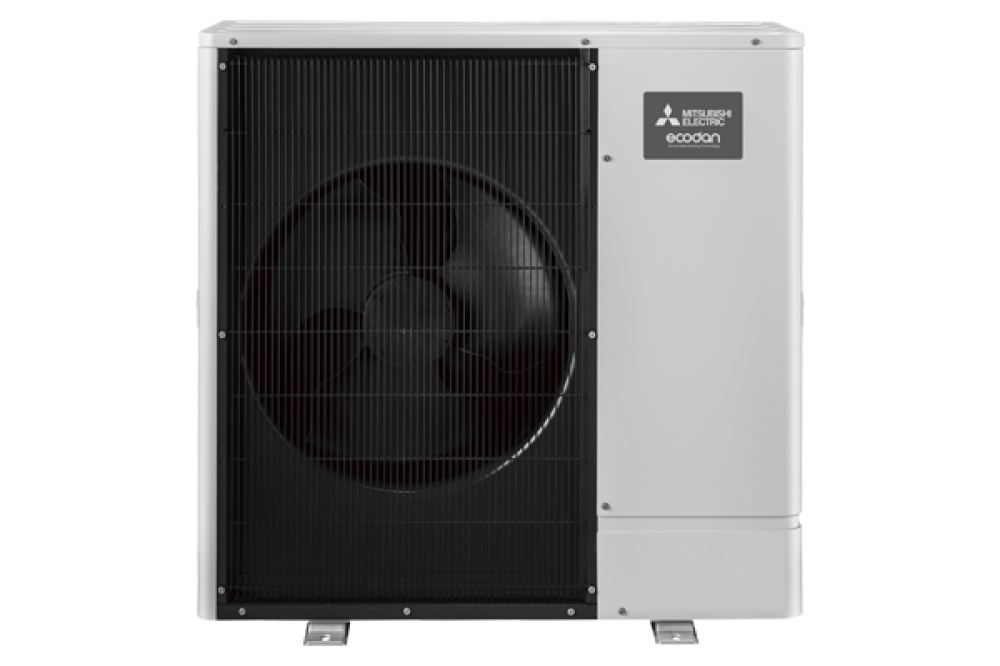
Mitsubishi Ecodan
Cold-weather confidence and a long-standing UK reputation.
Read our notesSimple answer: Choose Daikin if you want the most balanced package. Choose Mitsubishi if your main concern is proven cold-weather dependability and a long-standing UK reputation.
Neither brand is automatically “best” for every home. The right choice depends on your heat loss, radiator sizes, hot water demand, outdoor unit location, installer design and budget. If you are comparing more brands, start with our Best Air Source Heat Pumps UK guide.
Daikin vs Mitsubishi: at-a-glance comparison
| Category | Daikin Altherma | Mitsubishi Ecodan | Winner |
|---|---|---|---|
| Best overall fit | Excellent all-rounder for many UK homes | Excellent, especially for reliability-focused installs | Daikin slightly |
| Winter performance | Strong, with high-temperature models available | Very strong reputation for colder conditions | Mitsubishi slightly |
| Noise | Generally strong, especially on selected low-noise models | Generally strong, but depends heavily on model and siting | Draw |
| Controls | Good app and system control options | Good control options including MELCloud-compatible systems | Draw |
| Installer familiarity | Widely installed and supported | Very widely recognised by UK installers | Draw |
| Retrofit suitability | Good, especially with correct design and radiator checks | Good, particularly where robust heating output is needed | Depends on home |
| Best for | Balanced performance, comfort and usability | Cold-weather confidence and long-term reputation | Depends on priorities |
Daikin and Mitsubishi in detail
What each range does well, where to be careful and who it suits.
Daikin Altherma overview
Daikin Altherma is one of the most recognised air source heat pump ranges in the UK. It is a strong option for homeowners who want a dependable, mainstream system with a good balance of efficiency, design flexibility and support.
Daikin offers different Altherma options, including low-temperature systems for efficient homes and higher-temperature models for homes that need warmer flow temperatures. This matters because not every UK property has the same radiator sizes, insulation level or heat demand.
Daikin Altherma is best suited to
- Homeowners wanting a safe all-round choice
- Modern or upgraded homes with good insulation
- Properties where quiet operation is a priority
- Homes where the installer is experienced with Daikin systems
- Homeowners who want strong controls and a familiar brand
Potential drawbacks of Daikin
- The best model depends heavily on the property design
- High-temperature models may cost more than standard low-temperature options
- Performance still depends on correct heat loss calculations and radiator sizing
Daikin is a strong brand to shortlist if you want a balanced system. However, before choosing any model, make sure your installer has checked whether your existing emitters are suitable. Our guide on whether you need new radiators for a heat pump explains this in more detail.
Mitsubishi Ecodan overview
Mitsubishi Ecodan is another major UK heat pump range and is especially well known among installers. It has a long-standing reputation for reliability, cold-weather operation and suitability across a wide range of homes.
For homeowners who are nervous about winter performance, Mitsubishi is often one of the first brands recommended by installers. The Ecodan range is commonly used in UK retrofit projects, new-build homes and larger heating systems where dependable operation is important.
Mitsubishi Ecodan is best suited to
- Homeowners who want a proven, established heat pump brand
- Properties where winter performance is a major concern
- Homes needing a robust system with strong installer support
- Retrofit projects where the system design must be carefully matched
- Homeowners who value long-term reputation over the lowest upfront price
Potential drawbacks of Mitsubishi
- Some systems may be more expensive than budget alternatives
- Noise and performance depend heavily on model choice and siting
- As with Daikin, poor installation design can undermine results
If your biggest concern is whether an air source heat pump can cope in cold weather, read our full guide: Do Heat Pumps Work in Winter UK?
Efficiency, winter performance and noise
The three areas homeowners ask about most, and why system design matters as much as the brand.
Efficiency: which brand is cheaper to run?
Efficiency is one of the most important areas to compare, but it is also one of the easiest to misunderstand. A heat pump’s real-world efficiency is not just about the brand name. It depends on the full system design.
Both Daikin and Mitsubishi can deliver efficient heating when correctly installed. In practice, the biggest running cost factors are usually:
- Correct heat loss calculation
- Low enough flow temperature
- Suitable radiator or underfloor heating output
- Good insulation and draught reduction
- Weather compensation settings
- Smart control setup
- Electricity tariff
For a deeper breakdown of electricity use, seasonal efficiency and what affects bills, read our Heat Pump Running Costs UK guide.
Winter performance: Daikin or Mitsubishi?
Mitsubishi Ecodan has a particularly strong reputation for winter dependability, which is why many homeowners and installers associate it with cold-weather confidence. Daikin also performs strongly and has high-temperature Altherma models designed for homes that need warmer water temperatures.
For most UK homes, the main question is not whether either brand can work in winter. Both can. The more important question is whether the system has been sized and designed properly for your home’s heat demand. Winter performance depends on:
- The home’s heat loss on a cold day
- The required flow temperature
- Outdoor unit sizing
- Radiator or underfloor heating output
- Defrost cycle management
- Hot water demand
- Weather compensation settings
If you live in a colder, exposed or poorly insulated property, Mitsubishi may be worth prioritising. If your property is reasonably well insulated and your installer is confident in the design, Daikin can be just as sensible.
Important efficiency point: A well-designed Mitsubishi system will usually beat a poorly designed Daikin system — and a well-designed Daikin system will usually beat a poorly designed Mitsubishi system. The installer and system design matter as much as the badge on the outdoor unit.
Noise: which is quieter?
Noise is a common concern with air source heat pumps, but brand comparisons can be misleading because sound levels vary by model, output size, fan speed, installation position and operating conditions.
Both Daikin and Mitsubishi offer models that can be suitable for residential use, but the real-world result depends heavily on where the unit is positioned. Noise depends on:
- Outdoor unit location
- Distance from bedrooms, windows and boundaries
- Whether the unit is oversized or undersized
- Anti-vibration mounting
- Fan speed in colder weather
- Whether the unit has clear airflow
If your home has limited outdoor space, terraced boundaries or nearby bedroom windows, ask your installer to explain the sound assessment before choosing either brand.
Controls and smart heating compatibility
Both Daikin and Mitsubishi have their own control ecosystems, and both can work well when set up correctly. The most important thing is that your heat pump is controlled in a heat pump-friendly way.
Heat pumps normally perform best when they run steadily rather than being switched on and off like a traditional gas boiler. That means your controls should support stable temperatures, weather compensation and sensible schedules. Control features to compare:
- App control and remote monitoring
- Weather compensation
- Hot water scheduling
- Room temperature control
- Installer access for diagnostics
- Compatibility with smart thermostats or zoning
If controls are important to you, compare options in our Best Smart Thermostats for Heat Pumps guide and our Best Smart TRVs for Heat Pumps UK guide.
Installation suitability: which one fits your home?
The right brand depends on your property. Daikin and Mitsubishi both offer options for different home types, but the best result comes from matching the system to your building rather than choosing a brand first.
Choose Daikin if…
You want a strong all-round heat pump with good comfort, efficiency, controls and installer availability.
Choose Mitsubishi if…
You want a long-established system with a strong reputation for cold-weather performance and reliability.
Check radiators if…
Your home is older, has small radiators, poor insulation or currently needs high boiler temperatures to feel warm.
Radiator guideCheck costs if…
You need to compare system price, installation work, cylinder upgrades, controls, radiators and grant eligibility.
Cost guideDaikin vs Mitsubishi for older UK homes
Older homes can work well with either Daikin or Mitsubishi, but they need more careful design. The biggest risk is not choosing the “wrong” brand — it is installing a heat pump into a home where the emitters, insulation or controls are not suitable. For older homes, you should ask your installer:
- What flow temperature has the system been designed around?
- Will any radiators need upgrading?
- Has a room-by-room heat loss calculation been completed?
- Will the hot water cylinder need replacing?
- Where will the outdoor unit be located?
- How will the system be controlled?
- What seasonal efficiency should you realistically expect?
If you are still at the research stage, read Are Heat Pumps Worth It? for a broader look at pros, cons, savings and suitability.
Cost: is Daikin or Mitsubishi more expensive?
There is no single fixed price difference between Daikin and Mitsubishi. The total installed cost depends on the model, output size, hot water cylinder, controls, pipework, radiators, electrical work, installation complexity and whether the property qualifies for a grant.
When comparing quotes, check
In many cases, the quote difference between brands is less important than what is included in the installation. A cheaper quote can become poor value if it skips radiator upgrades, uses weak controls or does not include proper commissioning.
- Exact model and output size
- Heat loss calculation
- Hot water cylinder specification
- Radiator upgrades
- Controls included
- Warranty terms
- Commissioning and handover
- Aftercare and servicing
Best choice by homeowner priority
| Your priority | Better shortlist choice | Why |
|---|---|---|
| Best all-rounder | Daikin | Strong balance of comfort, efficiency, controls and support |
| Cold-weather confidence | Mitsubishi | Excellent reputation for dependable winter performance |
| Quiet installation | Depends on model and siting | Both can work well if the outdoor unit is correctly positioned |
| Older home retrofit | Depends on design | Radiators, insulation and flow temperature matter more than brand |
| Smart controls | Draw | Both brands offer good control options when set up correctly |
| Installer confidence | Draw | Both are familiar, established brands in the UK market |
Questions to ask before choosing Daikin or Mitsubishi
Before accepting a quote, ask your installer these questions. The answers will tell you more than the brand name alone.
- What heat loss figure has been calculated for my home?
- What flow temperature is the system designed to run at?
- Will my existing radiators work efficiently?
- What seasonal efficiency do you expect?
- Where will the outdoor unit be installed?
- How loud will it be at the nearest window or boundary?
- What controls are included?
- Will I need a new hot water cylinder?
- What warranty and aftercare are included?
- How will you show me how to run the system efficiently?
Compare Up to 3 Heat Pump Installers Near You
Tell us a little about your property to see installer options available in your area.
Free to use with no obligation
Common mistakes when comparing Daikin and Mitsubishi
Choosing by brand alone
Both brands can perform well. The installer, design and setup often make the bigger difference.
Ignoring radiator sizing
If radiators are too small, the system may need higher flow temperatures, which can reduce efficiency.
Assuming the cheapest quote is best
A lower quote may exclude important upgrades, controls or aftercare.
Focusing only on the outdoor unit
The cylinder, controls, pipework and emitters all affect comfort and running costs.
Using boiler-style heating habits
Heat pumps usually work best with steady operation and lower flow temperatures, not short blasts of high heat.
Final verdict: Daikin or Mitsubishi?
Choose Daikin Altherma if you want the most balanced all-round option for a typical UK home.
Choose Mitsubishi Ecodan if you care most about cold-weather confidence, installer familiarity and long-term reputation.
The best decision is to compare both brands against your property design, not just each other.
FAQ: Daikin vs Mitsubishi heat pumps
Is Daikin better than Mitsubishi?
Daikin is often better if you want a balanced all-round system. Mitsubishi is often better if winter reliability and long-term reputation are your main priorities.
Is Mitsubishi Ecodan better in winter?
Mitsubishi Ecodan has a very strong reputation for cold-weather performance. However, winter results depend on sizing, radiator output, insulation and setup.
Which is quieter, Daikin or Mitsubishi?
Both brands offer residential heat pumps that can be suitable for UK homes. Noise depends on the exact model, output size, fan speed, location and installation quality.
Which is cheaper to run?
There is no guaranteed winner. Running costs depend more on system design, flow temperature, insulation, controls and electricity tariff than the brand alone.
Which is better for an older house?
Either can work in an older house if the system is properly designed. Older homes may need insulation improvements, radiator upgrades or a higher-temperature system.
Should I choose the brand my installer recommends?
Installer experience matters. A well-designed system from a brand your installer knows well is usually safer than choosing a brand they rarely fit.
Related guides
 Best Air Source Heat Pumps UKLeading brands compared for UK homes
 Air Source Heat Pump Cost UKWhat a full installation includes
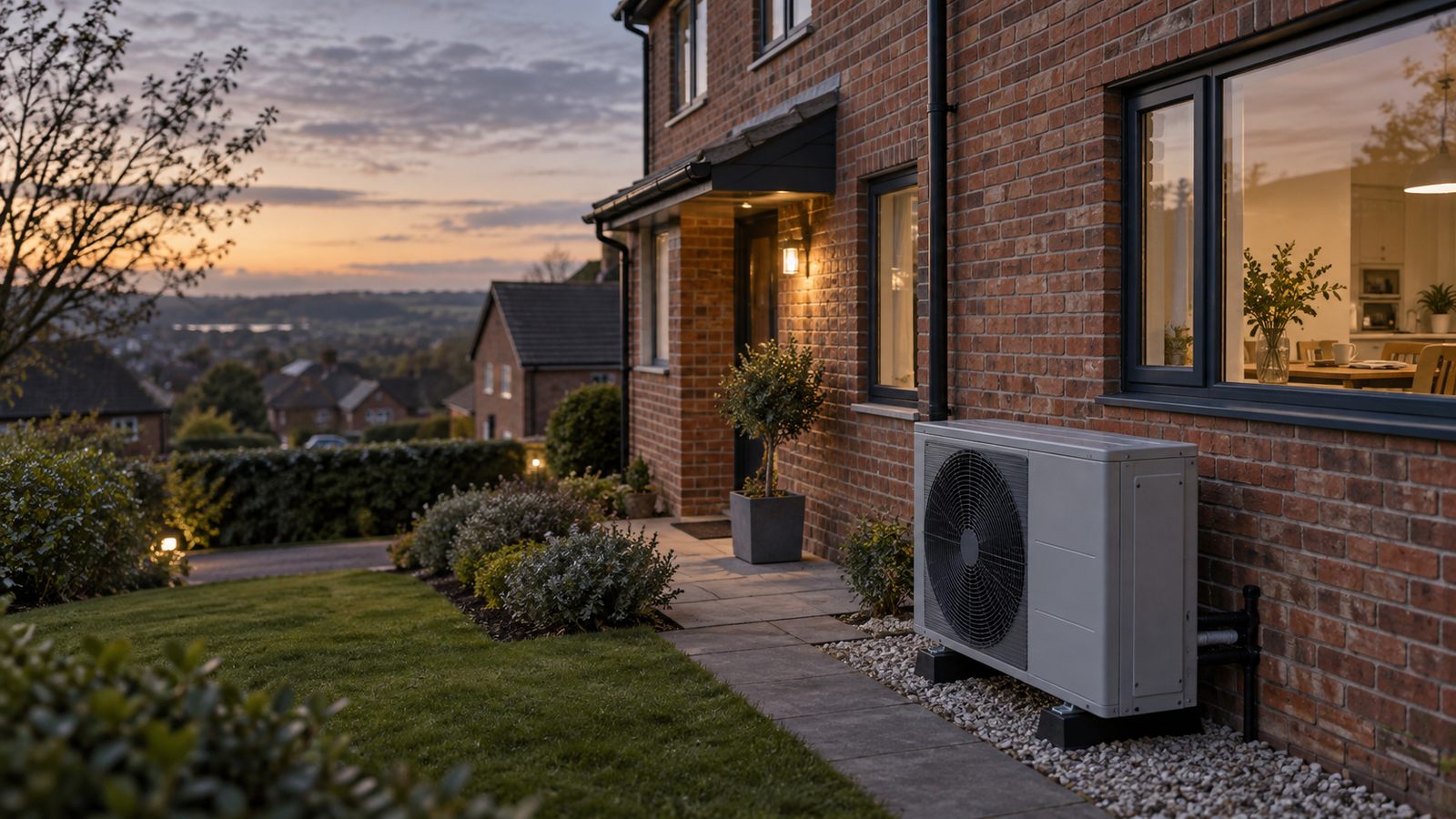 Heat Pump Running Costs UKWhat affects your electricity bills
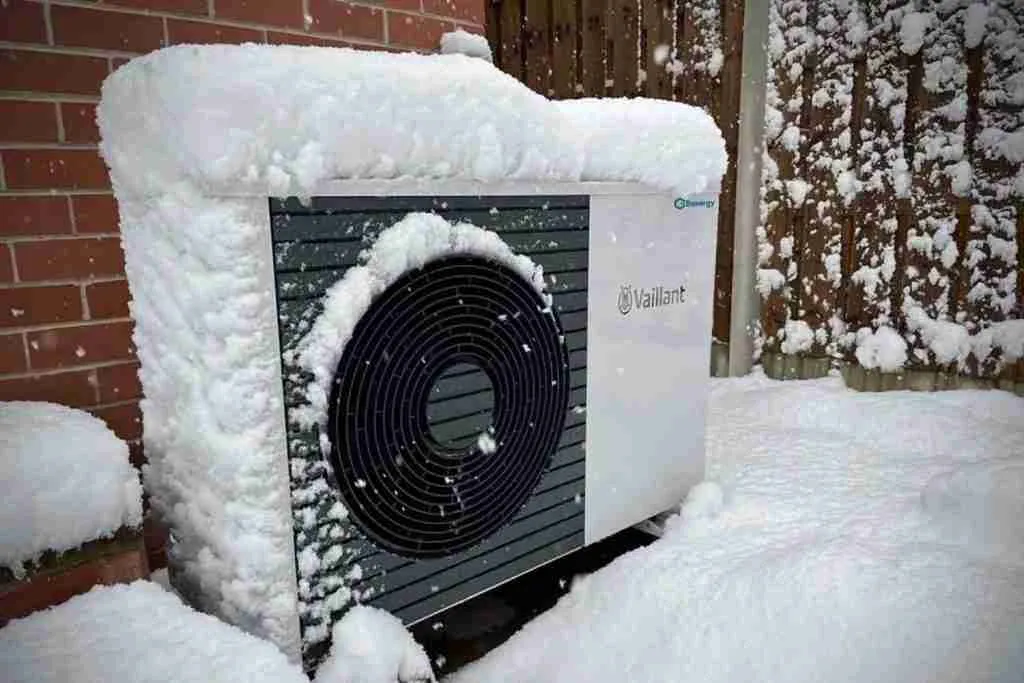 Do Heat Pumps Work in Winter UK?Cold-weather performance explained
 Do You Need New Radiators?Checking your emitters for a heat pump
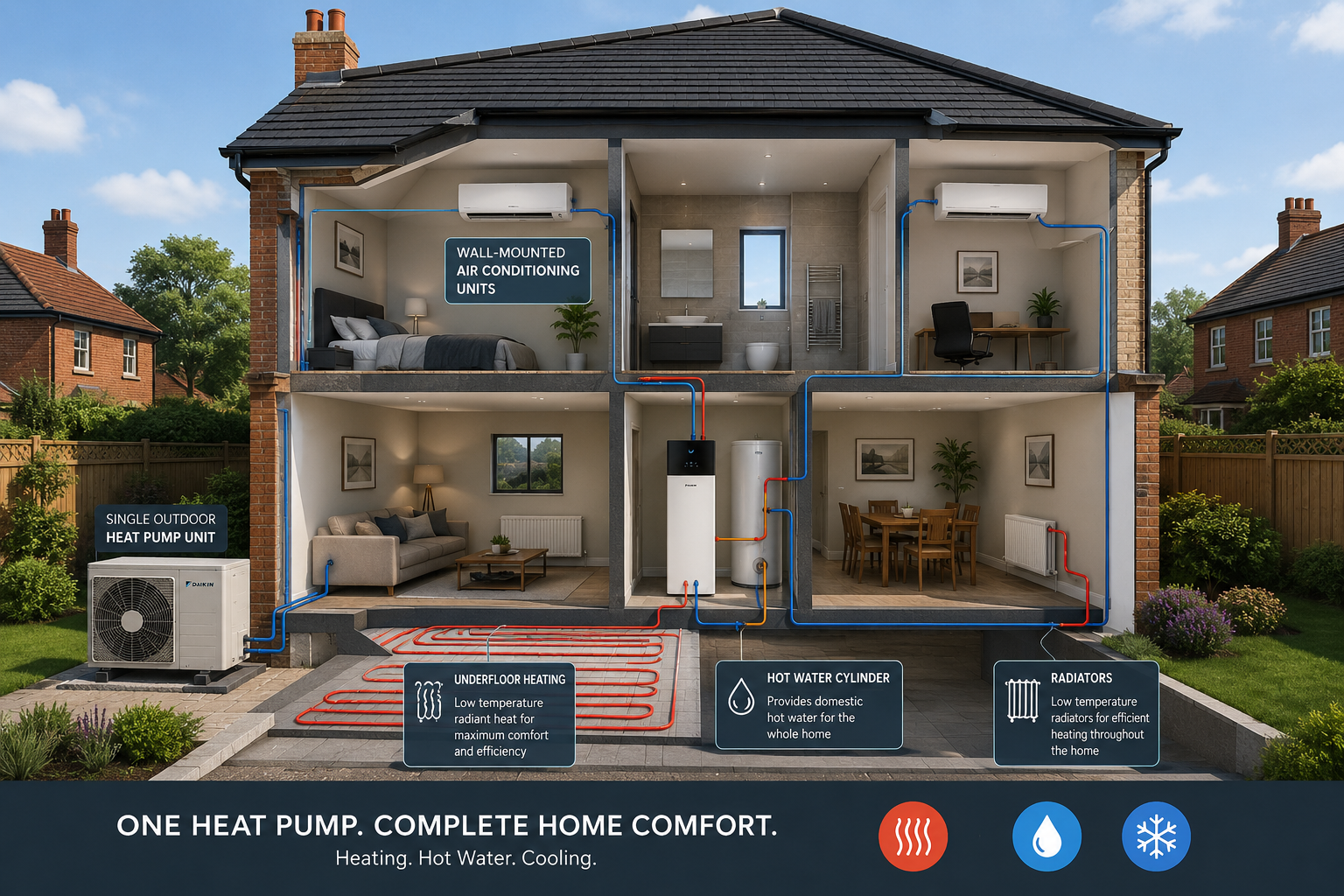 Are Heat Pumps Worth It?Pros, cons, savings and suitability
 Best Smart Thermostats for Heat PumpsControls that suit steady heating
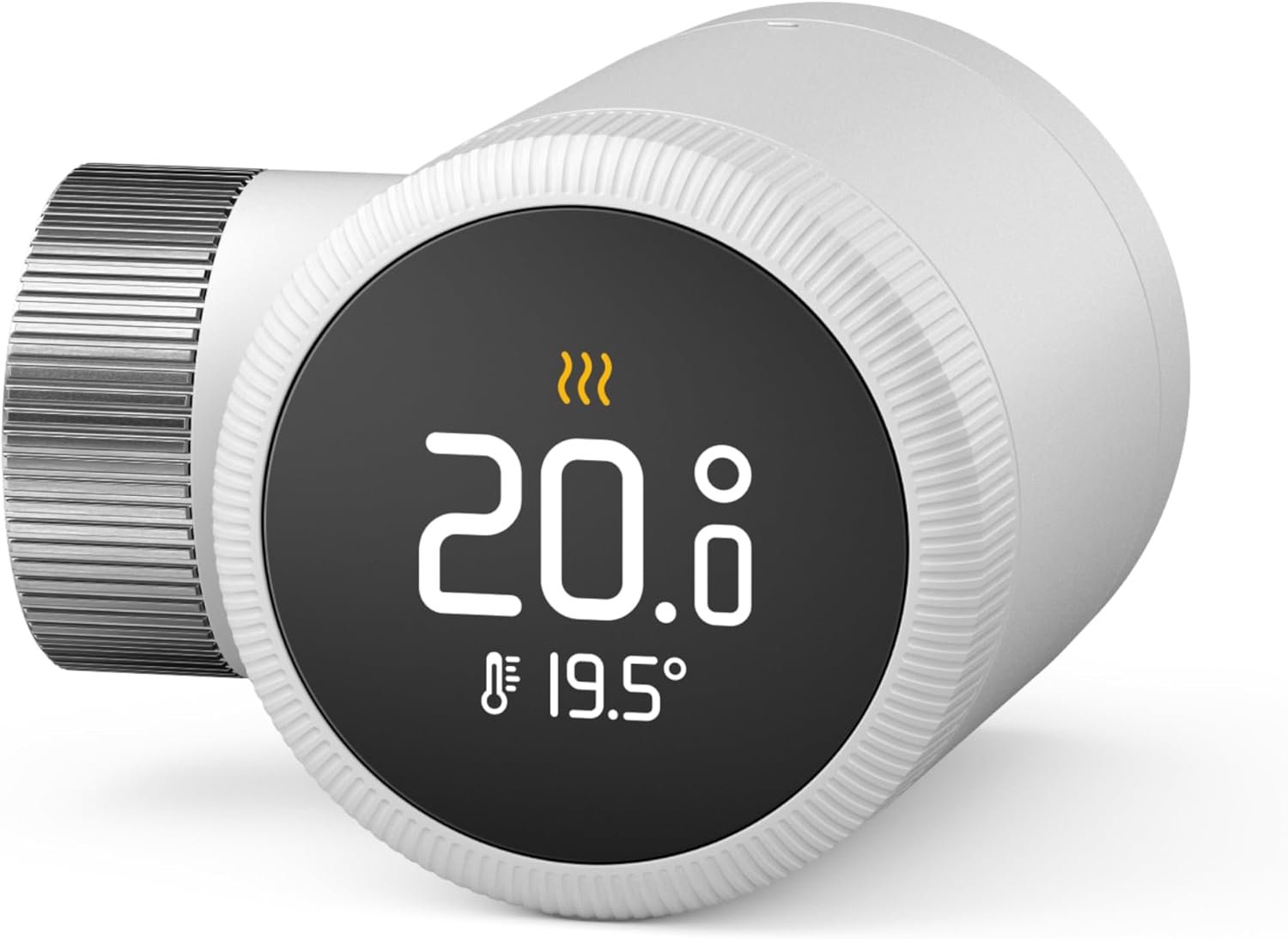 Best Smart TRVs for Heat Pumps UKRoom-by-room radiator control
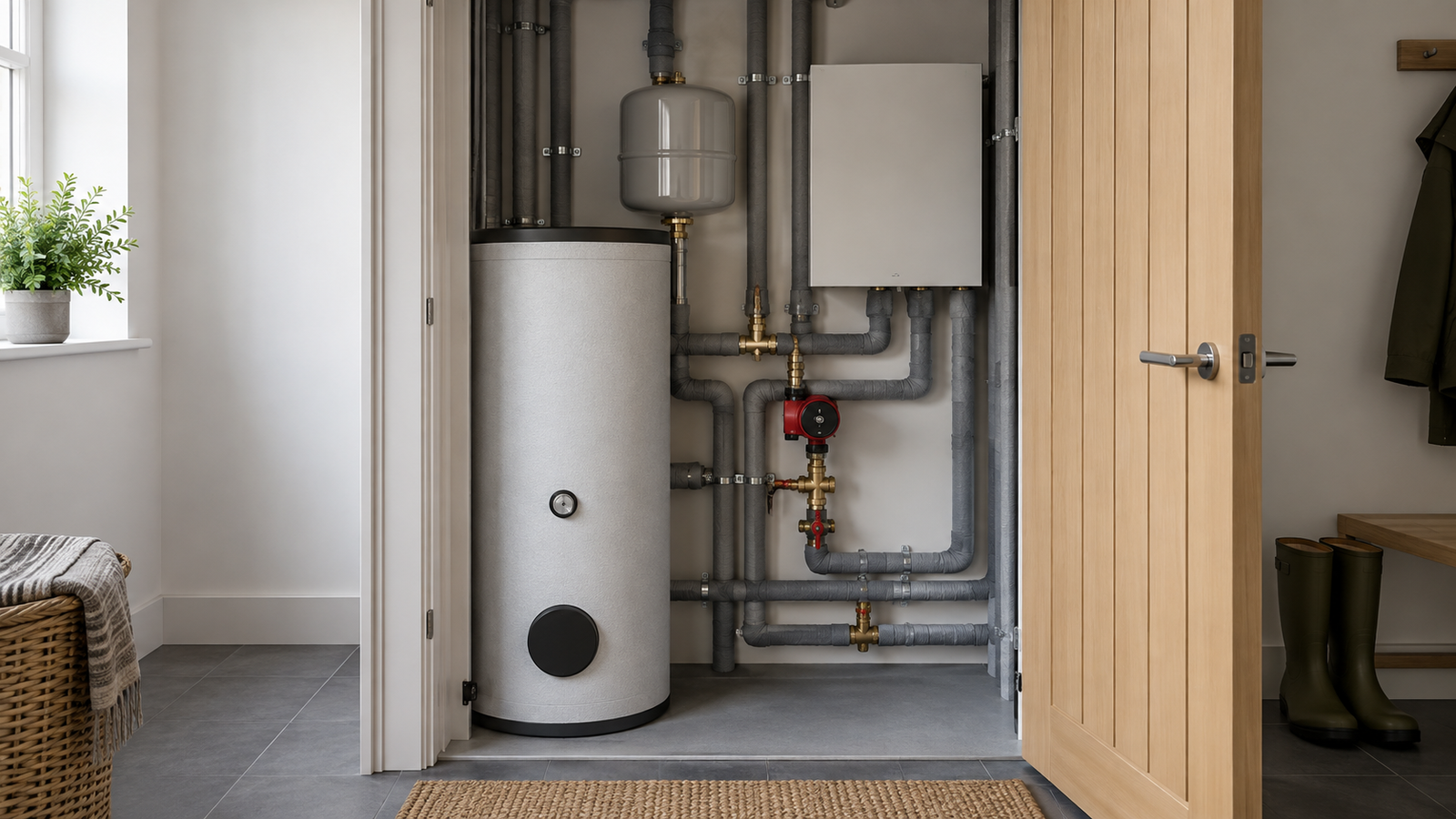 Best Heat Pump AccessoriesUseful extras for heat pump owners