
Heat Pump Not Saving Money?
If your heat pump is costing more to run than expected, the issue is usually not the unit alone. Settings, controls, insulation, radiator sizing, electricity tariffs and system design all affect real-world savings.
- Updated for 2026
- UK running-cost guide
- Sources included

Short Answer
A heat pump should be efficient, but it is not automatically cheaper to run than gas in every home. If your heat pump is not saving money, the cause is often poor setup, high flow temperatures, unsuitable radiators, weak insulation, expensive electricity, or controls that do not suit heat pump operation.
Heat pumps can deliver strong efficiency, but savings depend on the whole system. A well-designed system with good controls and suitable emitters can perform very differently from one that has simply been installed and left on default settings.
To understand typical bills first, read our Heat Pump Running Costs UK guide. If the home also feels cold, see Heat Pump Not Heating Properly?.
Common Reasons a Heat Pump Costs More Than Expected
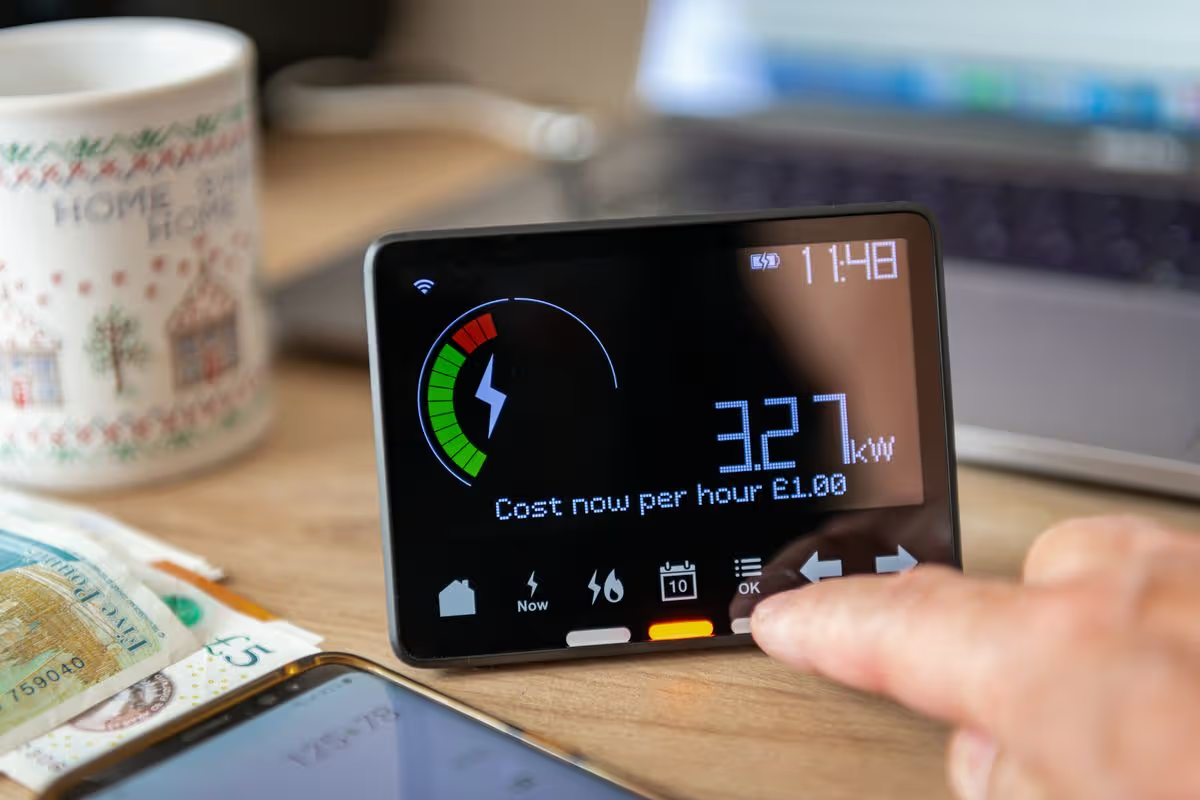
When a heat pump does not save money, it usually comes down to one or more of these issues:
- Electricity is much more expensive than gas per unit.
- The heat pump is running at high flow temperatures.
- Controls are causing poor schedules or unnecessary heating.
- Radiators or emitters are not suited to low-temperature heating.
- The home loses heat quickly due to insulation or draught issues.
- Hot water settings or boost modes are using more energy than expected.
- The system has not been commissioned or fine-tuned properly.
The key point
A heat pump not saving money is usually a system performance issue, not just a product issue. Before blaming the brand, check settings, controls, flow temperatures, radiator suitability and tariff.
Why Heat Pumps Do Not Always Save Money Straight Away
Heat pumps are very efficient because they move heat rather than generating it directly. However, UK electricity is usually more expensive per unit than gas, so the heat pump needs to run efficiently enough to offset that price difference.
This is why the system’s real-world efficiency matters so much. A heat pump running efficiently at low flow temperatures may be competitive with gas. A poorly set up system running at high temperatures can cost far more than expected.
Good to know: A heat pump can be technically working and still be costing too much if it is running with poor controls, high flow temperatures or unsuitable radiators.
1. Poor Thermostat and Control Setup
Many heat pumps underperform because the controls are not set up for the way heat pumps actually work. If the system is being used like a traditional boiler, it may cycle too aggressively, recover slowly after big setbacks, or run inefficiently.
Common control issues include:
- Large overnight temperature drops
- Short heating windows followed by long off periods
- Thermostat located in the wrong room
- Zoning that fights against the main heat pump controls
- Boost settings being used too often
Better controls can help, especially if they support steadier heat pump operation and better room-by-room comfort.
2. Incorrect Temperature Settings
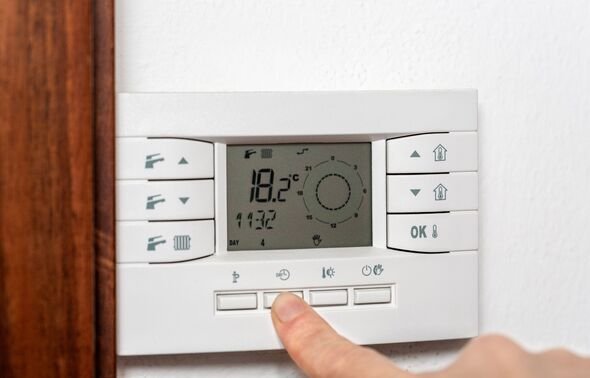
Heat pumps usually work best with steady, moderate settings. Large temperature swings can make the system work harder, especially in winter.
If you turn the heating off for long periods and then ask the heat pump to recover quickly, it may need higher output and higher flow temperatures. That can reduce efficiency and increase electricity use.
The best approach is usually to maintain a steadier background temperature and avoid aggressive boiler-style scheduling.
3. Flow Temperature Is Too High
Flow temperature is one of the biggest factors in heat pump efficiency. The hotter the water the heat pump has to send to your radiators or underfloor heating, the harder it works.
High flow temperatures are sometimes needed in colder weather or in homes with smaller radiators, but if the system is always running hotter than necessary, running costs can rise quickly.
Weather compensation can help by adjusting flow temperature based on outdoor conditions, rather than running one fixed high temperature all the time.
Important: Lower flow temperature can improve efficiency, but only if the home still stays warm. The goal is not the lowest possible setting — it is the lowest setting that maintains comfort.
4. Radiators or Emitters Are Not Suitable
If radiators are too small, the system may need to run at higher temperatures to heat the rooms properly. That can reduce efficiency and increase electricity use.
This is one of the most common reasons a heat pump costs more than expected after replacing a boiler. The old radiators may have worked well with hot boiler water, but not with lower-temperature heat pump operation.
- Single-panel radiators in larger rooms can be a problem.
- Cold rooms may force higher flow temperatures for the whole system.
- Undersized emitters can reduce comfort and increase costs.
- Some rooms may need larger radiators, fan-assisted radiators or underfloor heating.
5. Weather Compensation Is Not Optimised
Weather compensation adjusts the heat pump’s flow temperature based on the outdoor temperature. When it is milder outside, the system can run cooler. When it is colder, it can raise the flow temperature to maintain comfort.
If the heating curve is too high, bills can rise. If it is too low, the home may not feel warm enough. Getting this right is one of the most important parts of optimising running costs.
Your installer should set this up during commissioning, but many systems benefit from fine-tuning after real-world use.
6. Hot Water Settings Are Using Too Much Energy
Space heating is usually the biggest energy use, but hot water settings can still affect running costs. If hot water is stored too hot, boosted too often or reheated unnecessarily, electricity use can increase.
Legionella protection cycles are important, but they should be configured sensibly. Your installer should explain how your system handles hot water, boost settings and hygiene cycles.
If you are unsure, check whether your heat pump is repeatedly using electric backup or boost modes for hot water.
7. Your Home May Be Losing Heat Too Quickly
If insulation is poor, draughts are significant or certain rooms lose heat quickly, the heat pump must work harder to maintain comfort. That increases electricity use.
This does not always mean a heat pump was the wrong choice. It may mean the home needs targeted improvements such as loft insulation, draught-proofing, radiator upgrades or better zoning.
Older homes can still work with heat pumps, but system design and heat loss are especially important.
8. Your Electricity Tariff May Be Working Against You
Even a well-performing heat pump can look expensive if your electricity tariff is poor. Because heat pumps use electricity, the unit price you pay has a direct impact on running costs.
Some households may benefit from time-of-use tariffs or heat pump-specific tariffs, but these only work if your usage pattern and system setup match the tariff. A badly chosen tariff can make bills worse rather than better.
When comparing running costs, always look at:
- Your electricity unit rate
- Standing charges
- Time-of-use windows
- Hot water timing
- Whether the system can shift demand without losing comfort
9. Backup or Immersion Heating May Be Kicking In
If electric backup, immersion heating or boost modes are running more often than expected, costs can increase quickly. These modes may be needed occasionally, but they should not be doing the main heating job unless the system is designed that way.
Check your controller or app for signs of:
- Frequent electric boost use
- Immersion heater running for hot water
- Backup heating during normal weather
- High electricity spikes during hot water cycles
If this is happening regularly, ask your installer to review settings and system design.
10. The System Was Not Properly Commissioned
A heat pump can be installed correctly in a basic sense but still not optimised. Commissioning is where flow temperatures, heating curves, controls, balancing and hot water settings are checked and adjusted.
Poor commissioning can leave you with a system that works, but costs more than it should.
If bills are high and comfort is poor, the system may need a proper performance review rather than a new heat pump.
Quick Troubleshooting Table
| Problem | Likely Cause | What to Check |
|---|---|---|
| High bills but home feels comfortable | Tariff, hot water settings or high flow temperature | Electricity rate, boost modes, heating curve |
| High bills and poor comfort | Poor design, radiator sizing or commissioning | Heat loss, emitters, flow temperature |
| Costs spike in cold weather | Normal higher demand or poor winter setup | Weather compensation, insulation, radiator output |
| Electricity use jumps at hot water times | Immersion or boost heating | Hot water schedule and backup settings |
| Rooms need high temperatures to feel warm | Heat loss or emitter issue | Radiator size, draughts, insulation |
What to Check First
- Review thermostat schedules and target temperatures.
- Check whether the system is being turned on and off too aggressively.
- Check flow temperature and heating curve settings with your installer.
- Look at radiator performance in colder rooms.
- Check whether hot water boost or immersion heating is being used too often.
- Compare your electricity tariff against your usage pattern.
- Look for obvious draughts, heat loss or insulation weaknesses.
- Compare your usage to typical heat pump running costs.
Can Accessories and Monitoring Help?
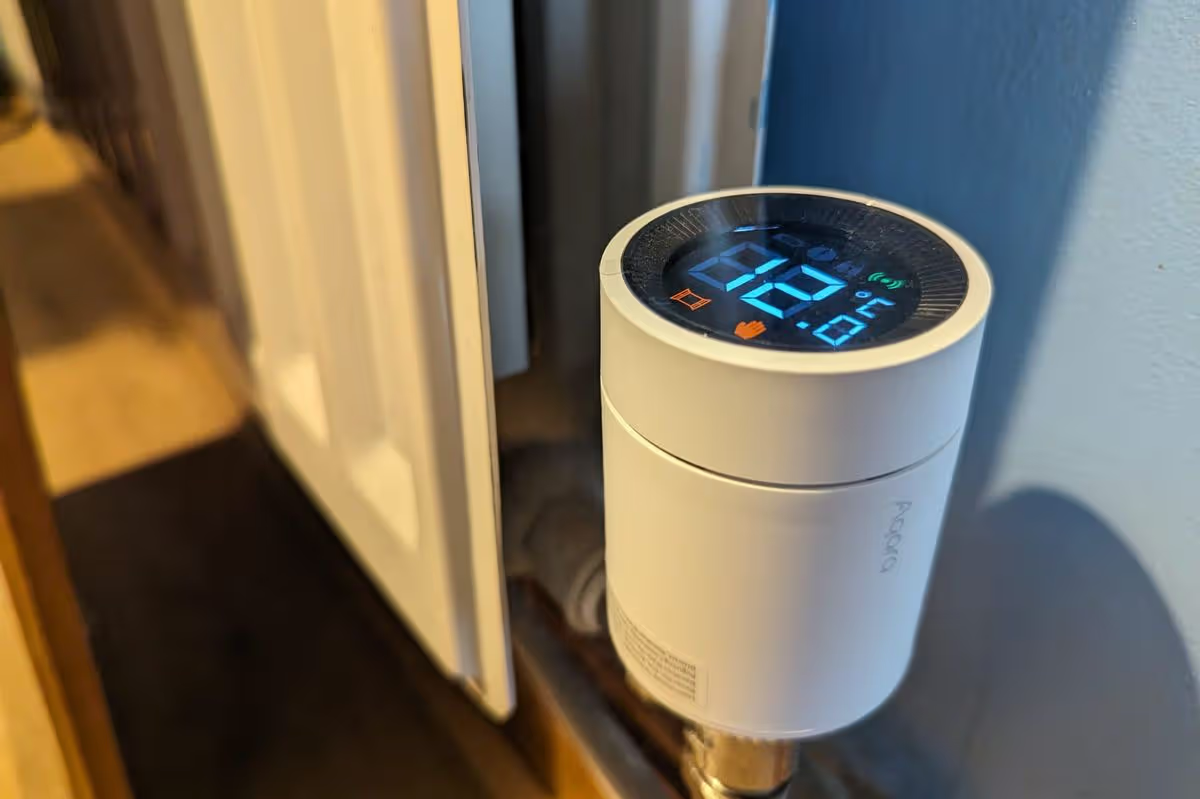
Yes, but they should be used for the right reasons. Energy monitors, smart radiator valves, room sensors and better thermostats can help identify problems and improve control.
They are especially useful if you do not know which rooms are cold, when electricity use is highest, or whether your controls are causing unnecessary heating.
However, accessories cannot fix a fundamentally poor heat pump design. They work best once the core system is correctly sized, balanced and commissioned.
When to Contact Your Installer
If simple checks do not explain the high running costs, contact your installer and ask for a system review.
Ask them to check:
- Flow temperature and weather compensation curve
- Electric backup or immersion heater usage
- Radiator output and room heat loss
- System balancing
- Hot water schedule and boost settings
- Control logic and thermostat placement
- Whether the unit is correctly sized for the property
Important: A heat pump not saving money is usually a system or setup issue, not just a product issue. Small changes to controls, settings, emitters or tariffs can make a significant difference.
Frequently asked questions
Why is my heat pump not saving money?
The most common reasons are high electricity prices, poor controls, high flow temperatures, unsuitable radiators, poor insulation or a system that has not been commissioned properly.
Are heat pumps always cheaper to run than gas boilers?
No. Heat pumps can be cheaper in suitable homes, but savings depend on electricity prices, system efficiency, home insulation and how the heating is controlled.
What setting makes a heat pump cheaper to run?
Heat pumps are usually cheaper to run with steady temperatures, sensible schedules, low practical flow temperatures and correctly set weather compensation.
Can bigger radiators reduce heat pump running costs?
Yes, in some homes. Larger radiators can allow the system to heat rooms at lower flow temperatures, which can improve heat pump efficiency.
Can a smart thermostat lower heat pump bills?
A smart thermostat can help if it improves scheduling and avoids wasted heating, but it cannot fix poor system design or undersized radiators.
Related guides
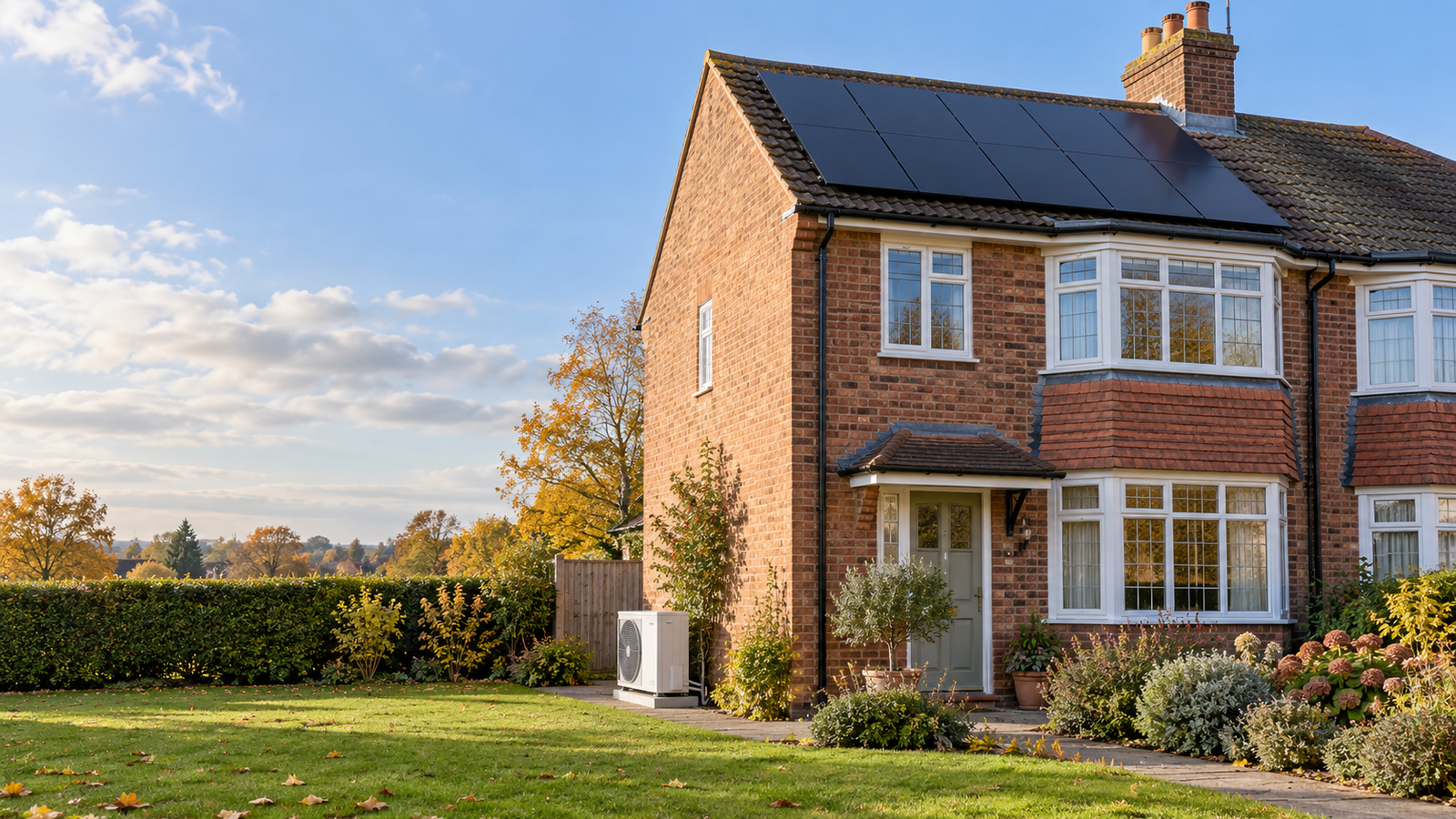 Heat Pump with Solar and BatteryWhat solar and a battery really save
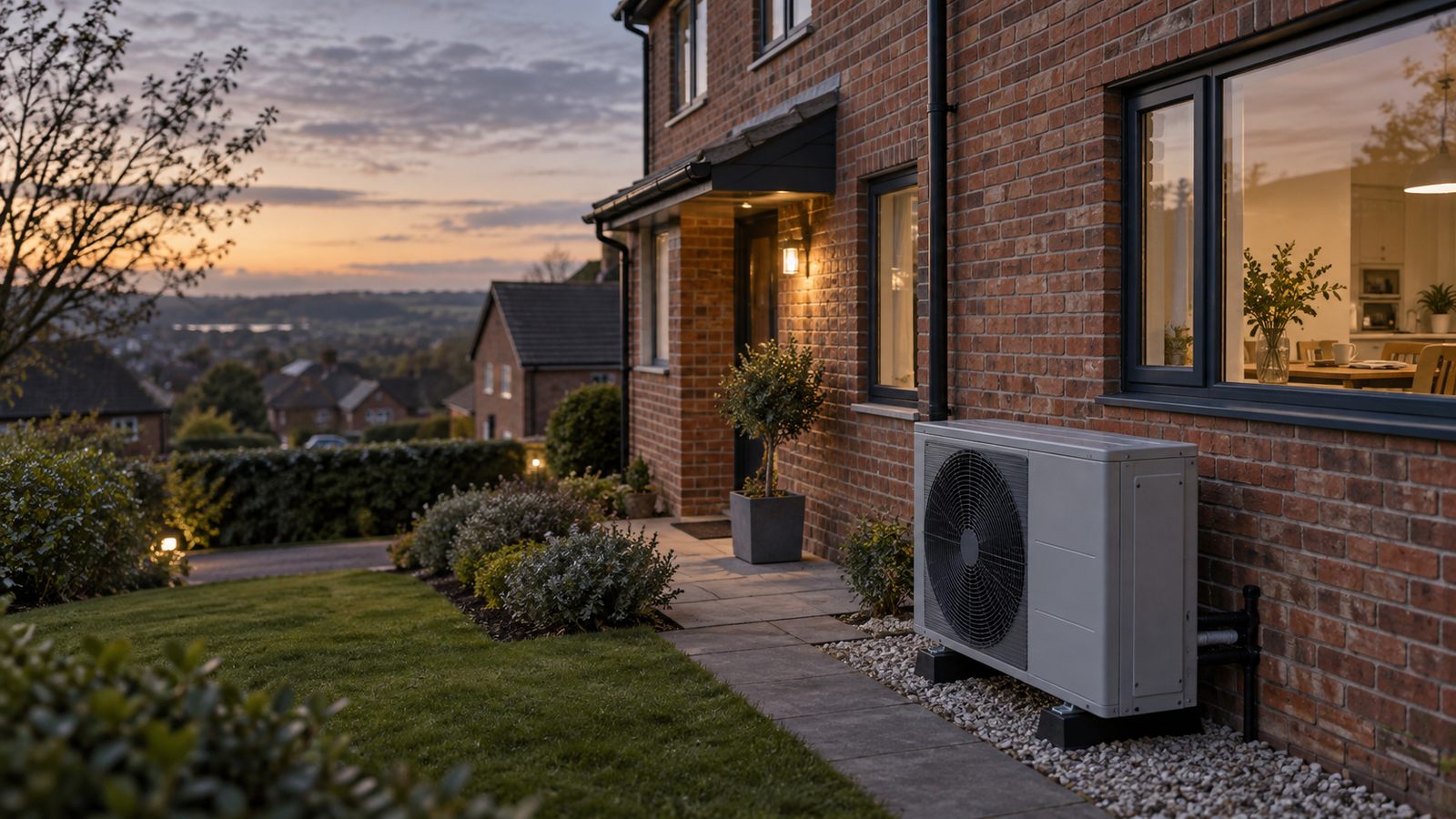 Heat Pump Running Costs UK
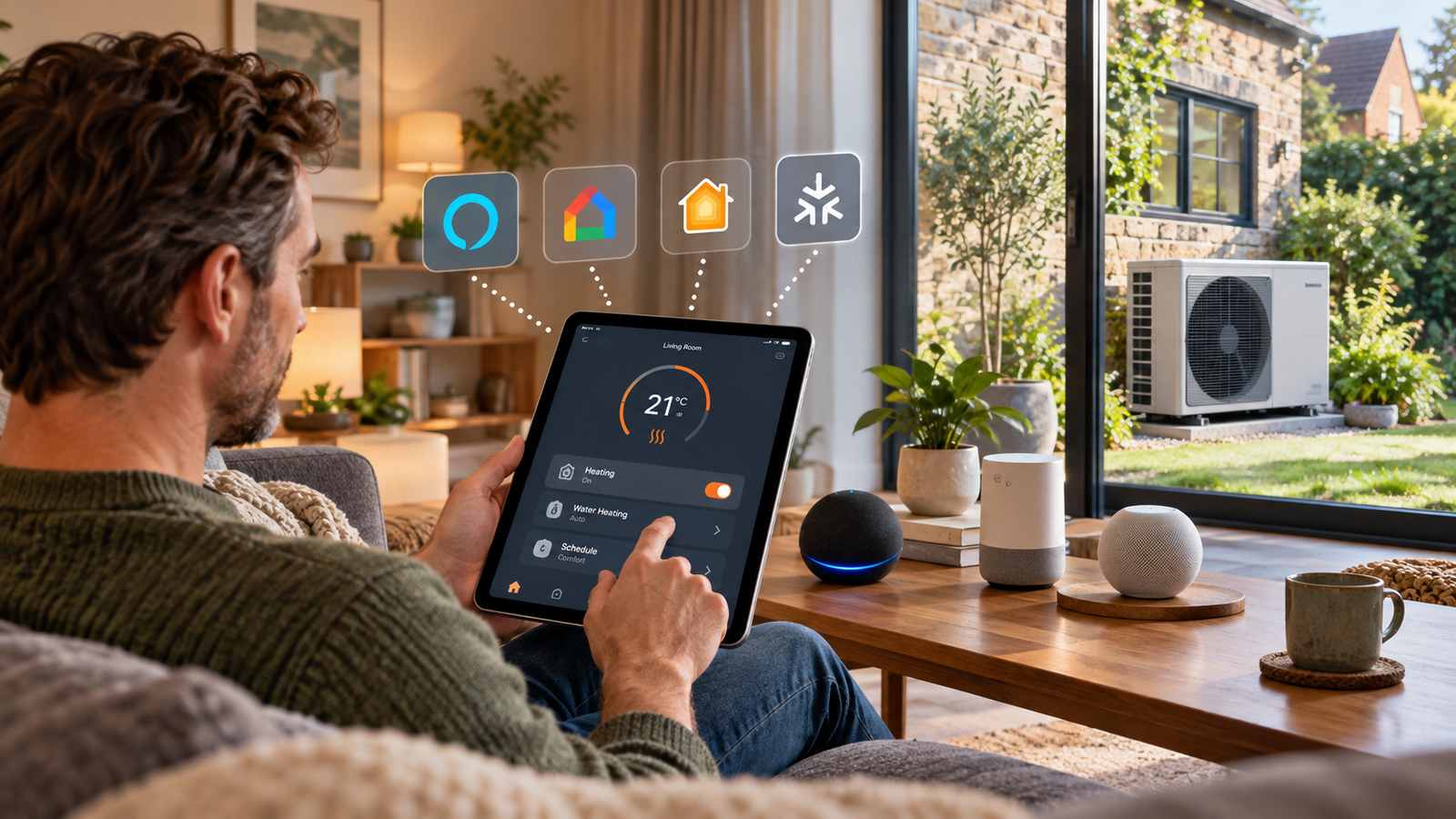 Best Heat Pump Temperature Settings UK
 Best Smart Thermostats for Heat Pumps
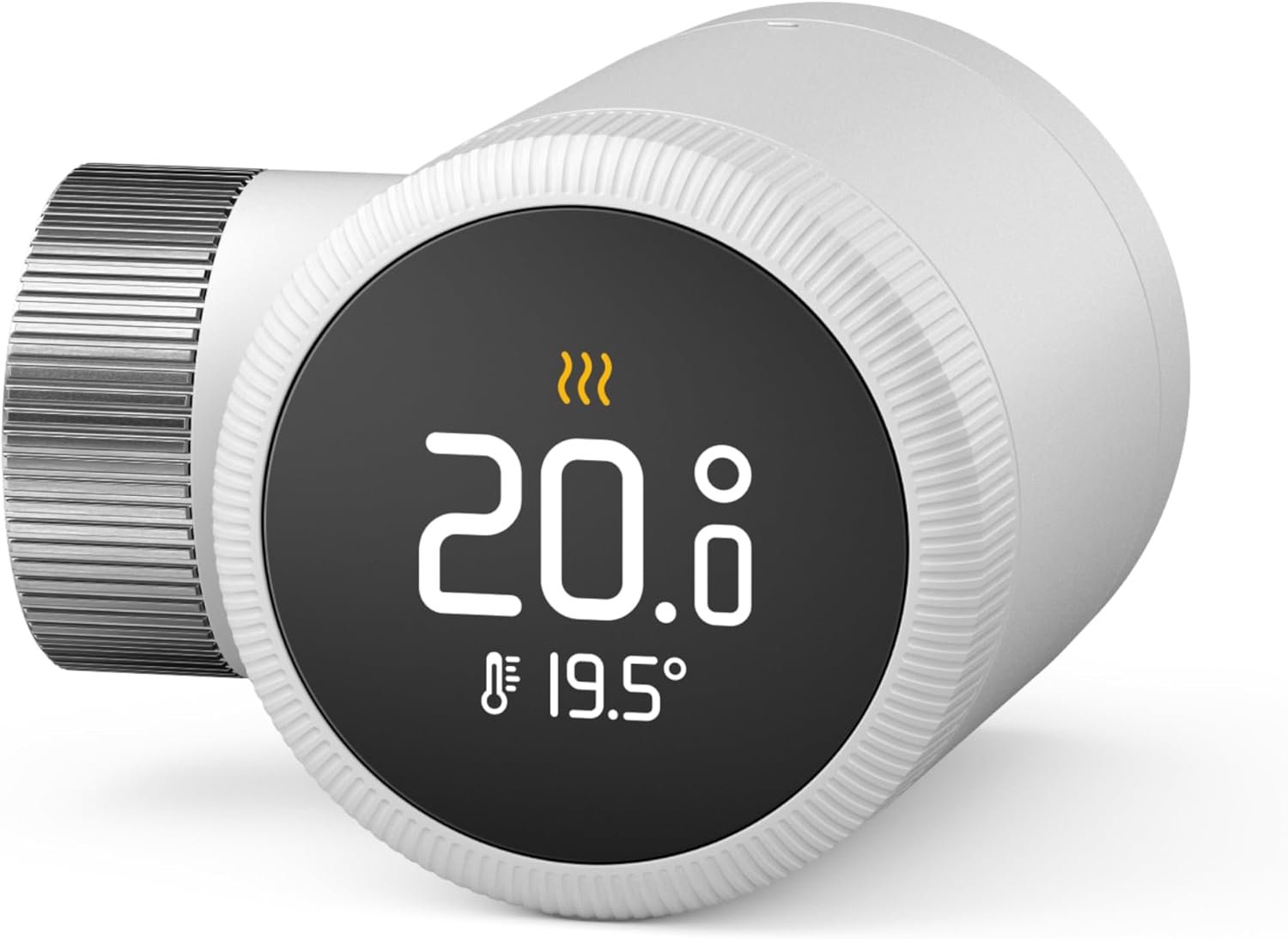 Best Smart TRVs for Heat Pumps
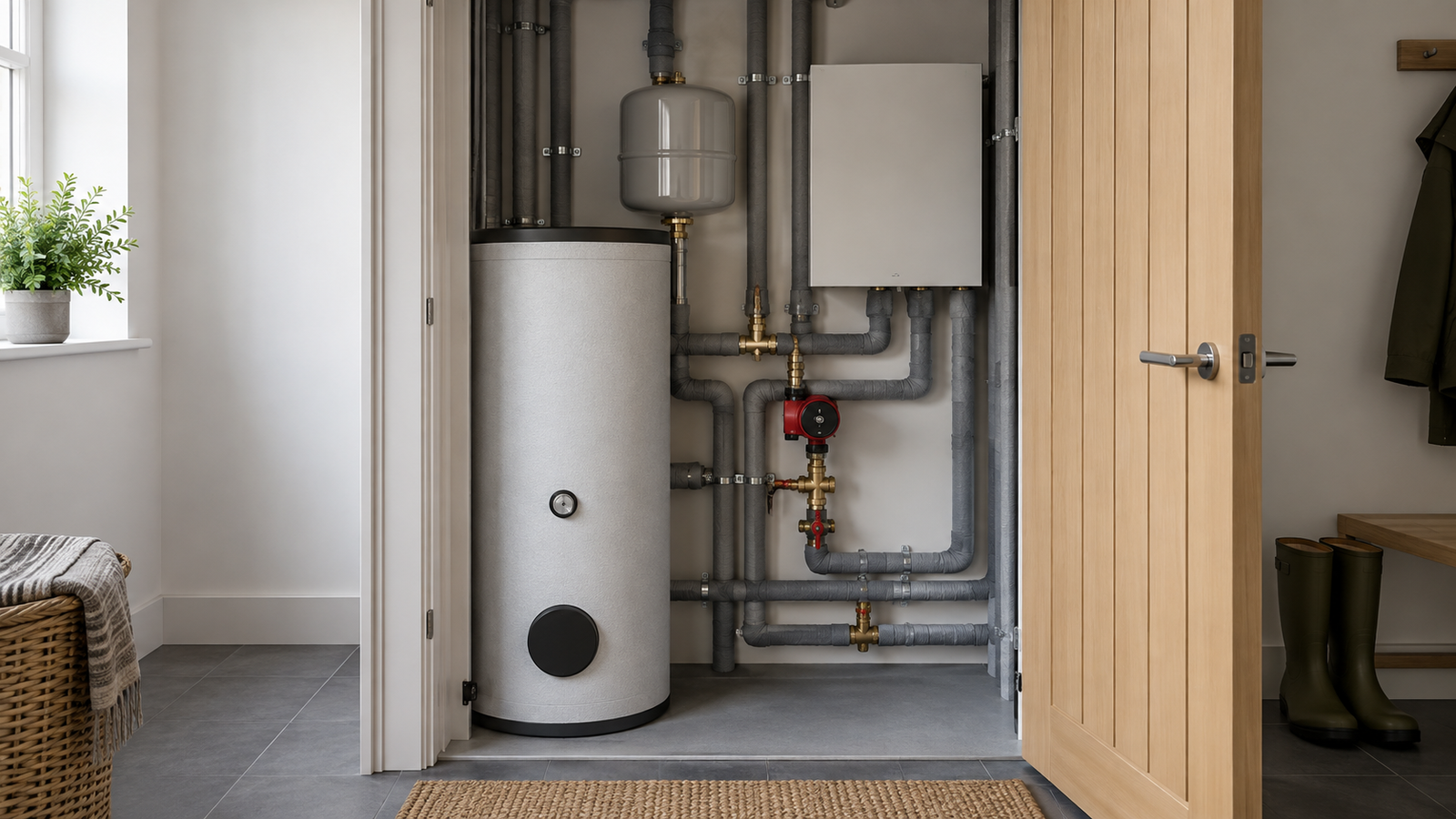 Heat Pump Accessories
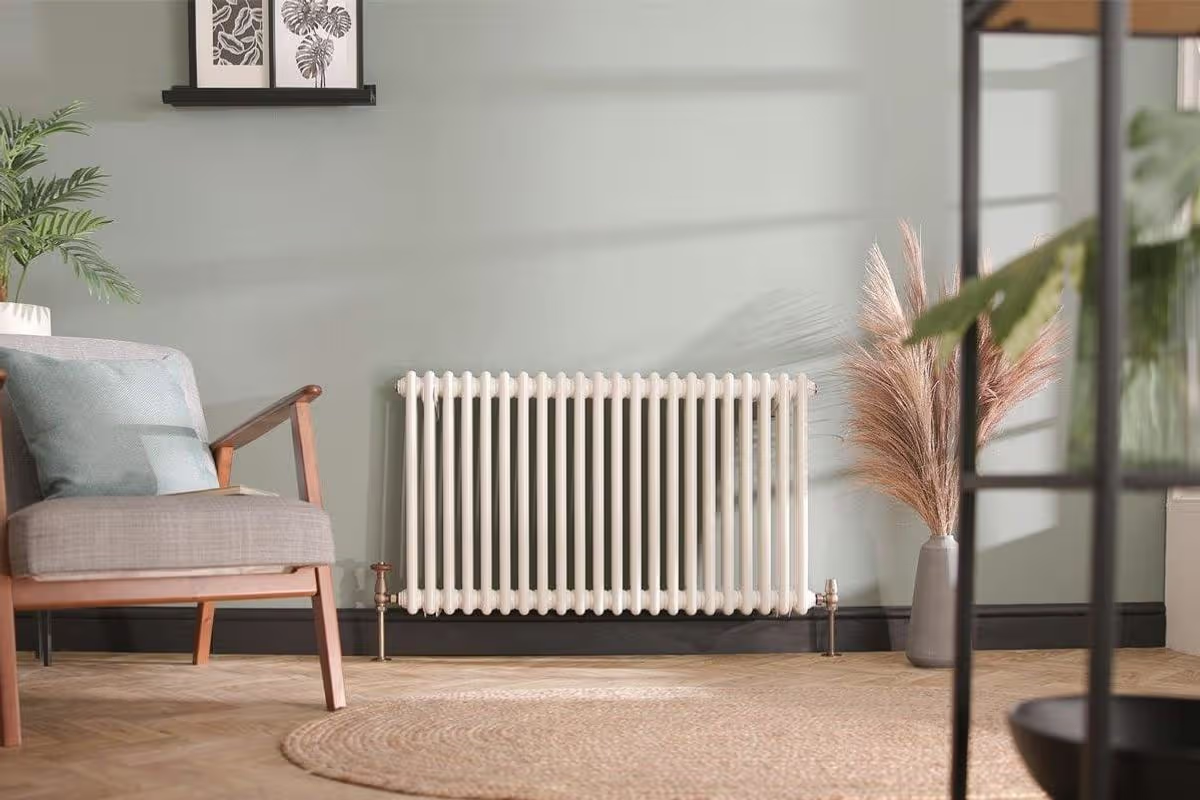 Do You Need New Radiators?
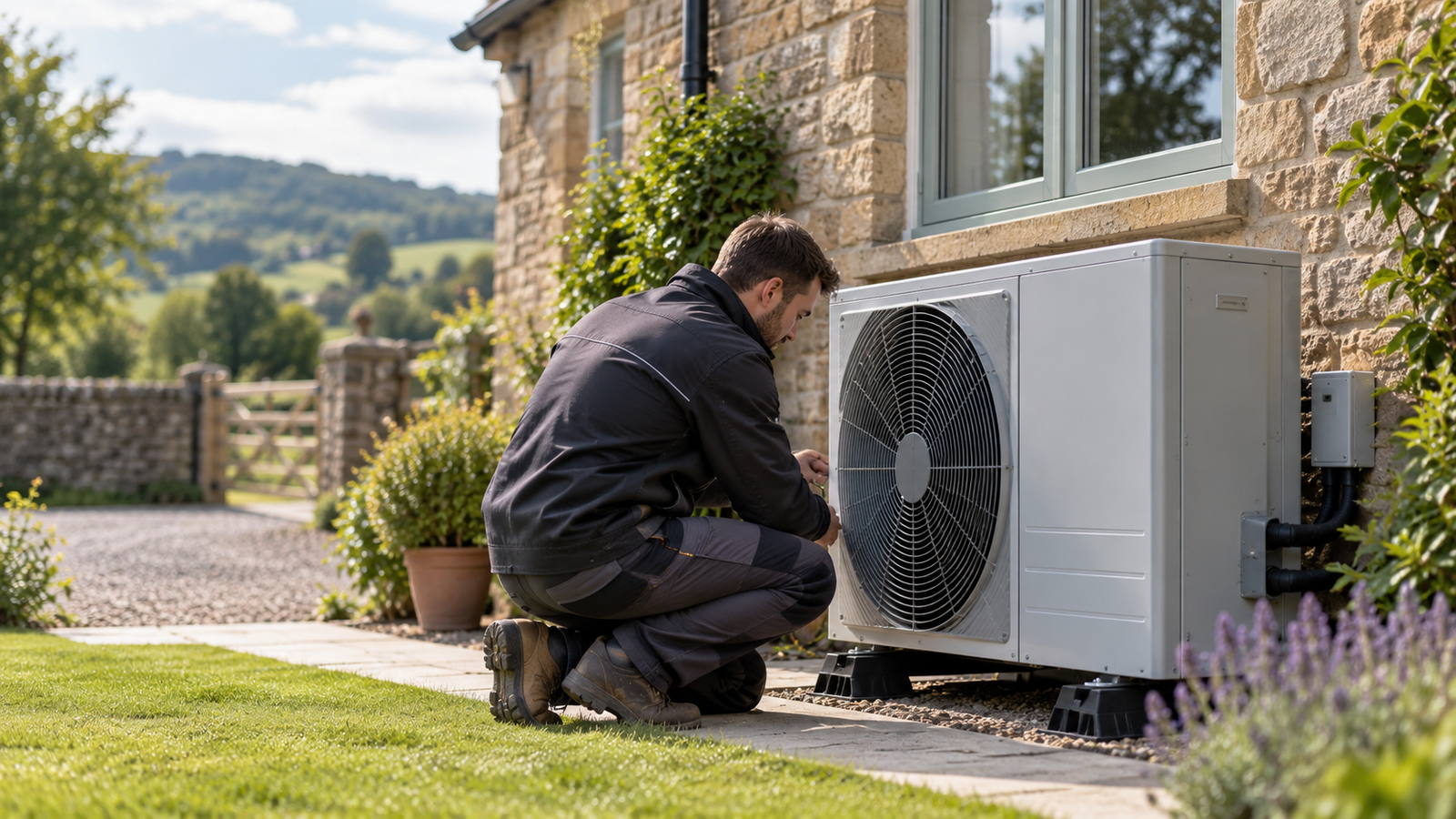 Heat Pump Not Heating Properly?
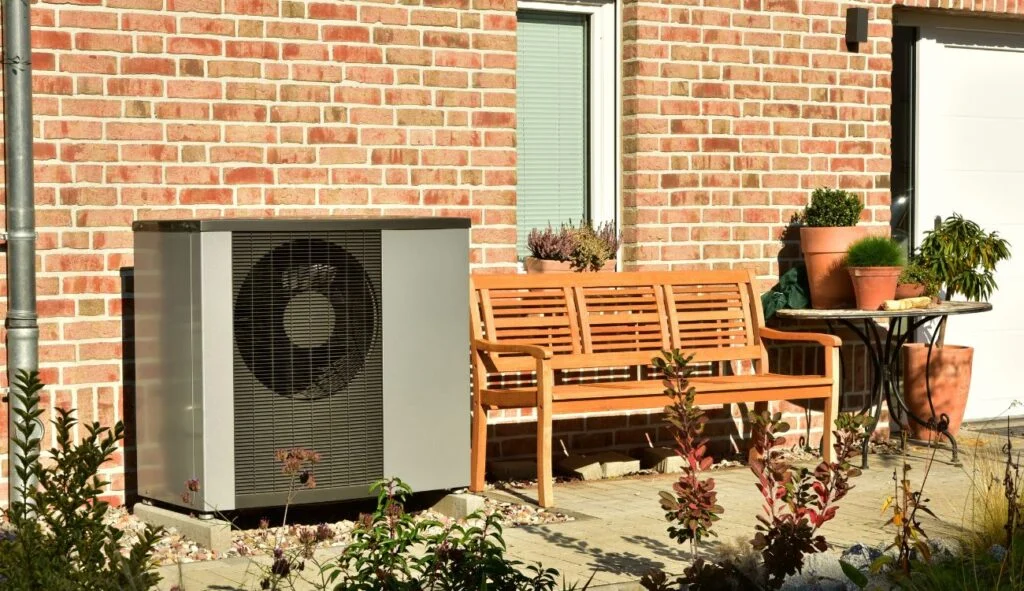 Are Heat Pumps Worth It?
Sources and further reading
This guide uses public information on heat pump efficiency, controls, running costs, weather compensation and user experience.